
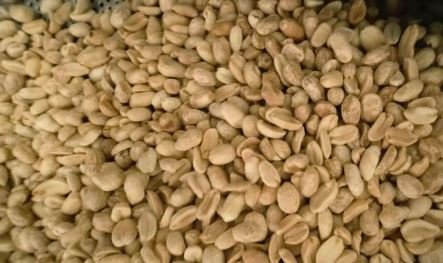
Launching a peanut business offers remarkable profit potential across snacks, artisanal nut butters, roasted nuts, and bulk wholesale supply. Yet many ambitious founders stumble early because they underestimate agricultural sourcing, moisture control, food safety compliance, and fierce retail shelf competition. Success in the peanut industry requires far more than a great family recipe or attractive packaging; it demands disciplined supply chain management, airtight quality assurance, and sharp market positioning. Whether you plan to start a small-batch roasted peanut brand from a commercial kitchen or scale into regional distribution, mastering these seven foundational lessons will save you costly mistakes and build lasting profitability.
Lesson 1: Master Raw Peanut Sourcing and Grading
Your finished product can never outperform the quality of the raw agricultural kernels entering your facility. Peanuts vary dramatically by cultivar, harvest region, kernel size, oil content, and moisture levels, directly impacting flavor, crunch, and shelf stability. Building direct relationships with reputable shellers and understanding industry grading standards protects your margins from seasonal price spikes while guaranteeing consistent taste and texture in every single batch you produce.
Choose the Right Peanut Variety for Your Product
Selecting the proper peanut cultivar determines how your final product roasts, grinds, and tastes. Runner peanuts offer uniform sizing ideal for smooth peanut butter, Virginia peanuts deliver large, visually impressive kernels for gourmet snacking, Spanish peanuts bring higher oil content for rich roasting, and Valencia peanuts provide natural sweetness for boiled or organic lines.
Audit Supplier Moisture Levels and Cold Storage
Raw peanuts are highly sensitive to humidity and temperature fluctuations during transit and warehousing. Always require certificates of analysis verifying kernel moisture remains below seven percent, and partner only with suppliers utilizing climate-controlled storage facilities to prevent rancidity, insect infestation, and premature spoilage before processing even begins.
Lock In Forward Contracts to Stabilize Margins
Agricultural commodity prices fluctuate constantly based on weather patterns, global export demand, and seasonal harvest yields. Once you establish reliable monthly volume projections, negotiate fixed-price forward contracts with your primary sheller so sudden raw material price surges do not erode your retail profit margins mid-year.
Lesson 2: Prioritize Aflatoxin Testing and Food Safety Compliance
Food safety is non-negotiable in the nut processing industry, where a single contaminated batch can trigger devastating recalls, regulatory shutdowns, and permanent brand destruction. Peanuts are uniquely vulnerable to Aspergillus molds that produce dangerous aflatoxins, alongside strict allergen cross-contamination laws. Establishing rigorous testing protocols, documented Hazard Analysis Critical Control Point (HACCP) plans, and clear allergen labeling protects both your customers and your company’s survival.
Implement Mandatory Aflatoxin Screening Protocols
Aflatoxins are toxic, heat-resistant compounds that standard roasting temperatures cannot destroy once present in raw kernels. Require certified lab test results confirming aflatoxin levels fall well below regulatory thresholds for every incoming lot, and conduct periodic third-party spot checks to maintain uncompromising safety across your entire supply chain.
Build Strict Allergen Control and Sanitation Systems
Because peanuts rank among the most severe global food allergens, regulatory inspectors scrutinize cleaning and separation procedures intensely. Establish dedicated allergen zones, color-coded utensils, validated sanitation logs, and clear bold-print allergen declarations on every package to eliminate cross-contact risks and pass third-party food safety audits effortlessly.
Lesson 3: Differentiate Your Brand in a Crowded Market
Walk down any grocery aisle and you will see dozens of established peanut brands competing aggressively on price and shelf space. Entering the market with a generic salted peanut or standard creamy spread forces you into a losing price war against massive industrial processors. Instead, carve out a defensible niche using bold flavor innovation, clean-label ingredients, transparent farm sourcing, or functional nutrition positioning that commands premium pricing.
Develop Signature Flavor Profiles Beyond Basic Salt
Modern snackers actively seek adventurous culinary experiences rather than plain roasted nuts. Experiment with regional spice blends, honey-chili glazes, smoked sea salt, roasted garlic, or international street-food seasonings to create memorable flavor hooks that spark word-of-mouth referrals and encourage repeat online and retail purchases.
Leverage Clean-Label and Functional Nutrition Trends
Today’s health-conscious shoppers scrutinize ingredient panels closely, rejecting hydrogenated vegetable oils, high-fructose corn syrup, and artificial preservatives. Formulate your products using simple, recognizable whole ingredients while highlighting natural plant-based protein, heart-healthy monounsaturated fats, and zero-added-sugar claims directly on the front of your packaging.
Lesson 4: Dial In Roasting Precision and Shelf-Life Engineering
Roasting transforms raw, grassy legumes into aromatic, crunchy delicacies through controlled Maillard reactions and caramelization. However, slight variations in airflow, roast temperature, or cooling speed can produce scorched exteriors, raw centers, or rapid oil oxidation. Investing in calibrated roasting equipment, rapid cooling systems, and high-barrier nitrogen-flushed packaging ensures your peanuts taste freshly roasted months after leaving your production floor.
Control Heat Curves and Rapid Post-Roast Cooling
Peanuts continue cooking internally from residual heat long after exiting a roaster or fryer, easily tipping a golden roast into bitterness. Use precise digital temperature probes to monitor core bean development, then immediately transfer hot nuts onto perforated high-airflow cooling trays to halt cooking within two minutes.
Invest in High-Barrier Nitrogen-Flushed Packaging
Oxygen, light, and moisture are the primary enemies of roasted peanut freshness, rapidly turning healthy unsaturated oils rancid. Package your finished products in opaque, multi-layer foil or high-barrier pouches flushed with food-grade nitrogen gas to displace oxygen and extend crisp shelf life from weeks to twelve months.
Lesson 5: Calculate True Unit Economics Before Scaling
Many passionate food entrepreneurs celebrate rising sales volume while quietly losing money on every jar or pouch sold. Without accounting for roasting weight loss, packaging waste, distributor slotting fees, freight costs, and promotional discounts, attractive gross margins vanish overnight. Building a granular unit-economics spreadsheet before pitching retail buyers ensures every sales channel generates real net cash flow rather than expensive busywork.
Account for Roasting Shrinkage and Production Yield Loss
Raw peanuts lose roughly four to eight percent of their weight during roasting due to moisture evaporation and skin removal, alongside inevitable sorting rejects. Always calculate your ingredient cost per finished ounce based on post-roast net yield rather than raw purchase weight so your pricing reflects true manufacturing expenses.
Factor Retail Distributor Margins and Slotting Fees
Selling directly to consumers yields high gross margins, whereas wholesale distribution introduces brokers, distributor markups, retailer margin requirements, and promotional chargebacks. Build a tiered pricing architecture that preserves at least thirty-five to forty percent gross margin after subtracting wholesale deductions so growth strengthens rather than drains your bank account.
Lesson 6: Start Lean with Co-Packers or Commercial Kitchens
Spending hundreds of thousands of dollars on industrial roasters, grinding mills, and bottling lines before proving customer demand is one of the fastest ways to exhaust startup capital. Smart founders validate product-market fit using shared commercial kitchens, small-batch tabletop equipment, or specialized peanut co-manufacturers. Keeping fixed overhead low during your first year preserves cash for marketing, sampling, and retail velocity building.
Validate Demand in Shared Commercial Kitchens
Renting hourly space inside a licensed commissary kitchen lets you produce legal, health-inspected batches without signing long-term facility leases or buying expensive utility upgrades. Use this low-risk stage to test packaging sizes, refine recipes with real paying customers at farmers’ markets, and gather authentic sales data.
Partner with Specialized Co-Manufacturers to Scale
Once recurring orders outpace your manual production capacity, transition manufacturing to an experienced nut co-packer that already holds SQF or BRC food safety certifications. Co-packers provide industrial roasting, automated filling, and bulk ingredient purchasing power, freeing you to focus full-time on brand building, sales, and distribution expansion.
Lesson 7: Build Multi-Channel Distribution and Repeat Subscriptions
Relying on a single sales channel—whether one regional grocery chain or paid social media ads—leaves your peanut business dangerously vulnerable to algorithm shifts or buyer turnover. Resilient brands combine high-margin direct-to-consumer e-commerce subscriptions with strategic specialty retail placement and B2B foodservice accounts. Creating multiple complementary revenue streams stabilizes cash flow year-round and maximizes customer lifetime value.
Launch Direct-to-Consumer Subscriptions for Predictable Revenue
Because peanuts and peanut butter are daily pantry staples, customers consume them on predictable replenishment cycles. Offer a ten to fifteen percent discount for automated monthly subscription deliveries on your website, locking in recurring cash flow while dramatically reducing your customer acquisition costs over time.
Target Independent Grocers and Foodservice Accounts
Instead of chasing national supermarket chains immediately, pitch independent natural grocers, specialty delis, fitness studios, and local bakeries that value artisan products and pay invoices promptly. Securing strong sell-through velocity in fifty independent stores builds the concrete proof of performance required to win regional retail buyers later.
Frequently Asked Questions
How much startup capital do you need to launch a small peanut business?
You can launch a lean, small-batch peanut brand using a licensed commercial kitchen for roughly $5,000 to $15,000, covering initial green or raw peanut inventory, commercial kitchen rental hours, food safety permits, liability insurance, and custom-printed barrier pouches. Opening a dedicated private roasting facility typically requires $75,000 to $250,000 or more depending on automation levels.
What licenses and certifications are required to sell peanut products legally?
At minimum, you need a registered business entity, a state or local food manufacturer license, an approved commercial kitchen or facility inspection, a documented HACCP food safety plan, FDA facility registration (in the United States), and compliant nutritional and allergen labeling. Selling into major grocery chains generally requires third-party GFSI certification such as SQF or BRC.
Is it better to sell roasted snack peanuts or artisan peanut butter?
Artisan peanut butter typically commands higher retail price points per jar and enjoys longer pantry shelf life, though it requires industrial colloid mills or stone grinders for smooth texture. Roasted snack peanuts require simpler equipment and lower startup costs, making them ideal for launching quickly with bold seasoning variations and single-serve impulse packs.
How can small peanut brands prevent oil separation in natural peanut butter?
Natural peanut butter naturally separates over time because grinding ruptures peanut cells and releases liquid oil. You can minimize separation by grinding roasted peanuts at controlled lower temperatures, using high-oleic peanut varieties whose fats remain more stable at room temperature, or incorporating small percentages of sustainably sourced palm fruit oil or natural plant waxes.
How long do roasted peanuts and peanut butter stay fresh on store shelves?
Properly roasted peanuts packaged in nitrogen-flushed, high-barrier foil bags remain crisp and flavorful for 9 to 12 months at cool room temperature. Unopened natural peanut butter stored in sealed glass or barrier jars typically maintains peak freshness for 12 to 18 months, while opened jars last 3 to 6 months in the pantry or refrigerator.

- Glasgow Coffee Machine Repair Recommendations: Complete Guide - November 23, 2026
- 7 Key Lessons for Starting a Successful Peanut Business - November 23, 2026
- The Best Domestic Coffee Roasting Setup: Complete Home Guide - November 23, 2026