
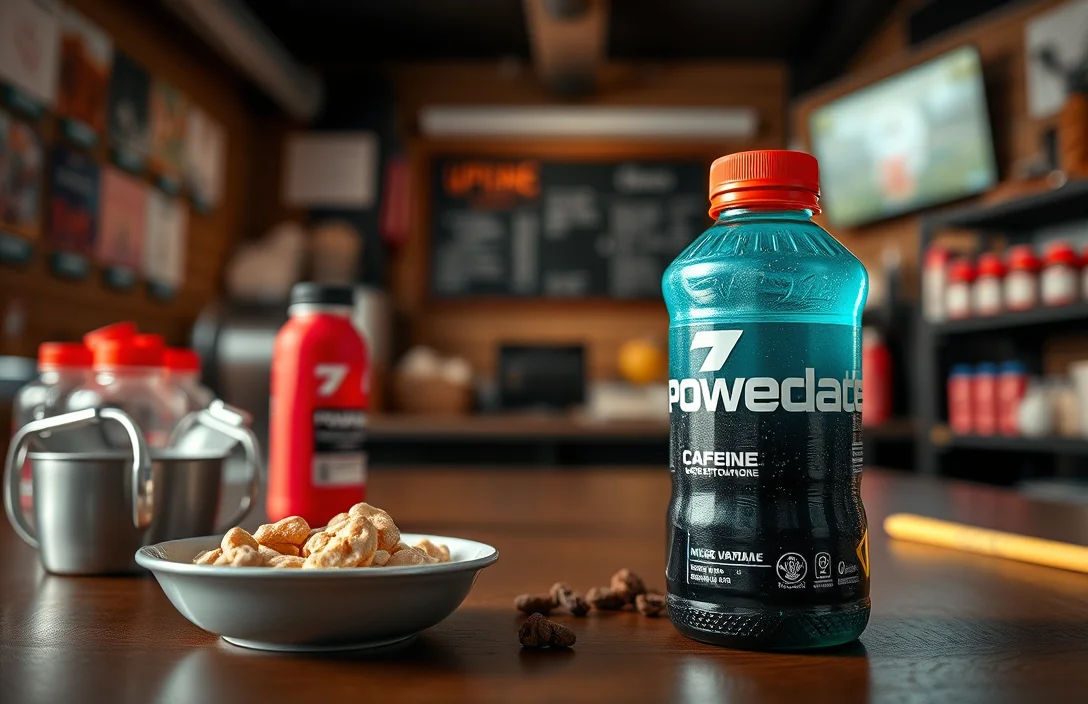
Powerade contains about 34 milligrams of caffeine per 12-ounce serving, providing a unique option for hydration and energy. This makes it a standout among sports drinks, appealing to those looking for both electrolytes and a caffeine boost during workouts or intense activities.
Powerade caffeine offers benefits like enhanced alertness and improved performance. It’s lower in caffeine compared to energy drinks, making it suitable for hydration without overwhelming caffeine levels.
Caffeine Content in Powerade
Many consumers wonder whether Powerade contains caffeine because it is commonly used before, during, and after exercise. However, unlike energy drinks, standard Powerade products are formulated to replace fluids and electrolytes lost through sweat.
A typical serving of Powerade contains:
- Caffeine: 0 mg
- Electrolytes: Yes
- Carbohydrates: Yes
- Energy stimulants: No
This caffeine-free formula makes Powerade suitable for people who want hydration without the side effects sometimes associated with caffeine, such as nervousness, jitters, or disrupted sleep.
Why Powerade Is Caffeine-Free
Powerade’s primary purpose is to help maintain hydration during physical activity. Rather than relying on caffeine for energy, it focuses on replenishing essential electrolytes that support muscle function and fluid balance.
Benefits of choosing a caffeine-free sports drink include:
- Supports hydration during exercise
- No stimulant-related side effects
- Suitable for caffeine-sensitive individuals
- Can be consumed throughout the day
- Appropriate for athletes of various ages
For many consumers, this makes Powerade a reliable hydration option before, during, and after workouts.
Comparing Powerade With Other Sports Drinks
Understanding how Powerade compares with other popular beverages can help you choose the best drink for your needs.
Powerade vs Gatorade
Both Powerade and Gatorade are caffeine-free sports drinks designed to replenish fluids, electrolytes, and carbohydrates during physical activity.
- Powerade: 0 mg caffeine
- Gatorade: 0 mg caffeine
Both are commonly used by athletes seeking hydration without stimulants.
Powerade vs Vitaminwater
Some Vitaminwater varieties contain added caffeine, while others do not. The caffeine content varies by product, making it important to read the nutrition label before purchasing.
- Powerade: 0 mg caffeine
- Vitaminwater: Varies by flavor
Powerade vs Energy Drinks
Energy drinks such as Red Bull and Monster are formulated to increase alertness through caffeine and other stimulants.
- Powerade: 0 mg caffeine
- Red Bull: Approximately 80 mg caffeine per can
- Monster Energy: Approximately 140–160 mg caffeine per can
While energy drinks focus on stimulation, Powerade focuses on hydration and electrolyte replacement.
Powerade vs BodyArmor
BodyArmor is another caffeine-free sports drink that emphasizes hydration and nutrients from ingredients such as coconut water.
- Powerade: 0 mg caffeine
- BodyArmor: 0 mg caffeine
Both products appeal to consumers seeking hydration without caffeine.
Does Caffeine Affect Hydration?

Caffeine has long been debated for its effects on hydration. Research suggests that moderate caffeine intake does not typically cause significant dehydration in healthy individuals.
However, caffeine may:
- Increase alertness and focus
- Produce mild diuretic effects in some people
- Affect hydration needs differently based on individual tolerance
- Require additional attention to fluid intake during intense exercise
Athletes who consume caffeinated beverages should monitor their hydration levels and ensure they are drinking enough fluids throughout the day.
Hydration Tips for Athletes
Maintaining proper hydration is essential for performance, recovery, and overall health. Whether you consume caffeine or not, following a hydration strategy can help support physical activity.
Consider these hydration best practices:
- Drink fluids before, during, and after exercise
- Replace electrolytes lost through sweat
- Monitor urine color as a hydration indicator
- Adjust fluid intake based on weather conditions and workout intensity
- Choose beverages that match your hydration and energy goals
For those who prefer a caffeine-free option, Powerade can be an effective part of a hydration plan.
Recommended Caffeine Intake for Athletes
Optimal caffeine intake varies among athletes. Generally, recommendations suggest consuming 3 to 6 milligrams of caffeine per kilogram of body weight. This range promotes performance benefits while minimizing potential side effects. For example, a 70-kilogram athlete could aim for a caffeine intake between 210 to 420 milligrams for best results.
-
- Calculate your weight in kilograms. Knowing your weight is essential for determining the right dose. For instance, if you weigh 80 kilograms, use that number in the next steps.
- Multiply your weight by 3 to 6. Using the earlier example, 80 kilograms multiplied by 3 gives 240 milligrams, and multiplied by 6 equals 480 milligrams. This will be your recommended range.
- Monitor your body’s response. Pay attention to how your body reacts to different doses. If you experience jitters or increased heart rate, adjust your intake accordingly.
- Time your caffeine consumption effectively. Consuming caffeine approximately 30 to 60 minutes before exercise maximizes its performance-enhancing effects. Plan accordingly to make the most of its benefits.
- Stay mindful of other sources. Be aware of additional caffeine in other foods or drinks. Powerade caffeine content, along with coffee or energy bars, can quickly add up.
Athletic Benefits of Caffeine Consumption

Caffeine consumption can significantly enhance athletic performance by improving endurance and focus. Studies indicate that it helps reduce perceived effort during exercise, allowing athletes to push harder for longer periods. This physiological response can lead to improved race times and overall performance in various sports.
Research has demonstrated several key advantages associated with caffeine intake:
-
- Increased stamina during prolonged activities.
- Enhanced mental alertness and concentration.
- Improved reaction times in competitive situations.
- Greater fat oxidation, aiding in weight management.
- Reduced muscle soreness post-exercise, promoting quicker recovery.
Consuming caffeine before workouts or competitions can create a competitive edge. Athletes often report feeling more energized and motivated, which can translate into better training outcomes and increased performance levels. Incorporating caffeine into a pre-workout routine may provide the necessary boost to achieve specific fitness goals.
Powerade Flavors Containing Caffeine
Specific flavors of Powerade include caffeine, enhancing their energizing effects. Notably, Powerade Zero Sugar Mountain Berry Blast and Powerade Ultra have gained popularity among consumers seeking a boost. These flavors provide hydration along with the stimulant benefits of caffeine.
Mountain Berry Blast offers a refreshing taste while delivering energy. It combines fruity flavors with a subtle caffeine kick, making it an appealing choice for athletes needing stamina. Powerade Ultra, on the other hand, features a unique blend of electrolytes and caffeine, designed for performance enhancement.
Individuals looking for a caffeine boost can also try Powerade’s other varieties. Each flavor aims to provide hydration along with the stimulating effects of caffeine, allowing for improved focus and endurance during workouts. Selecting the right flavor can depend on personal preference and desired caffeine intake.
Overall, Powerade’s caffeine-infused flavors cater to those who want both hydration and energy. Exploring these options helps consumers make informed choices based on their activity levels and taste preferences. Consider sampling different flavors to find the perfect match for your needs.
Potential Side Effects of Caffeine Consumption

Caffeine can lead to several side effects, especially when consumed in excess. Common issues include insomnia, jitters, and increased heart rate. Individuals sensitive to caffeine may experience heightened anxiety levels or digestive troubles. Recognizing these effects is crucial for anyone consuming caffeinated beverages like Powerade.
Increased heart rate may occur, causing discomfort for some individuals. This effect can be particularly pronounced in those with pre-existing heart conditions. Monitoring your body’s response to caffeine is essential for maintaining overall health.
Digestive disruptions can arise, including nausea or upset stomach. Caffeine stimulates the gastrointestinal tract, which can lead to discomfort in sensitive individuals. Adjusting intake levels may help alleviate these symptoms.
Insomnia becomes a potential concern when caffeine is consumed later in the day. Disruption of sleep cycles can occur, impacting overall well-being and daily performance. Limiting caffeine intake to earlier hours can mitigate this risk.
Dependence on caffeine may develop with regular consumption. Relying on caffeinated products for energy boosts can lead to withdrawal symptoms, such as headaches and fatigue, when not consumed. Evaluating your caffeine habits is advisable to prevent dependence.
Alternatives to Caffeinated Powerade
Non-caffeinated sports drinks serve as effective alternatives to caffeinated Powerade. These beverages provide hydration and essential electrolytes without the stimulating effects of caffeine. Options such as Gatorade Zero or BodyArmor Lyte offer similar replenishing benefits while being caffeine-free.
Electrolyte tablets, such as Nuun, dissolve in water and create a refreshing drink that maintains hydration levels. They are portable, easy to use, and customizable based on personal taste preferences. These options are often lower in calories, making them suitable for various dietary needs.
Fresh coconut water is another excellent choice for hydration. Naturally rich in potassium and electrolytes, it provides a refreshing taste without added sugars or caffeine. Many athletes choose coconut water for its natural ingredients and health benefits.
Juice diluted with water offers a flavorful, hydrating option. Mixing 50% juice with 50% water can provide necessary vitamins and minerals while reducing sugar content. This method ensures a tasty drink without the jitters associated with caffeine.
Homemade electrolyte drinks can be created using simple ingredients like water, salt, and honey. Mixing these components allows for control over sweetness and flavor, ensuring a personalized hydration solution that fits individual needs.
Quick Summary
- Powerade offers a caffeine-infused version to enhance athletic performance and energy levels.
- The caffeine content in Powerade varies by product, typically ranging from 50 to 80 mg per serving.
- This beverage is designed to provide hydration along with an energy boost during workouts or sports activities.
- Powerade caffeine is marketed primarily towards athletes and active individuals seeking improved endurance.
- It’s important to balance caffeine intake with hydration to avoid dehydration effects.
- Powerade caffeine is available in various flavors, catering to different taste preferences.
- As with any caffeinated beverage, moderation is key to prevent potential side effects such as jitters or increased heart rate.
Frequently Asked Questions
Does Powerade contain caffeine?
No, Powerade does not contain caffeine. It is primarily designed as a hydration beverage to replenish electrolytes lost during physical activity.
Are there any Powerade products that have caffeine?
As of now, all standard Powerade products are caffeine-free. However, it’s always a good idea to check the label for any new product releases or variations.
What are the benefits of drinking Powerade without caffeine?
Drinking Powerade without caffeine helps maintain hydration and replenish electrolytes without the potential side effects of caffeine, such as increased heart rate or jitters. It’s ideal for athletes and those engaging in prolonged physical activity.
How does Powerade compare to other sports drinks in terms of caffeine content?
Since Powerade is caffeine-free, it differs from some other sports drinks that may include caffeine for an energy boost. This makes Powerade a suitable choice for individuals looking for hydration without added stimulants.
Can I drink Powerade before bed?
Yes, you can drink Powerade before bed since it does not contain caffeine. However, be mindful of your overall fluid intake to avoid disruptions in sleep due to frequent trips to the bathroom.

- Unlocking the Venti: Discover the Perfect Shot Count for Your Drink - October 13, 2026
- Unpacking the Buzz: Caffeine Levels in Café Bustelo Espresso - October 13, 2026
- How to Fix Bitter Coffee: 10 Expert Ways to Improve the Taste - October 4, 2026