
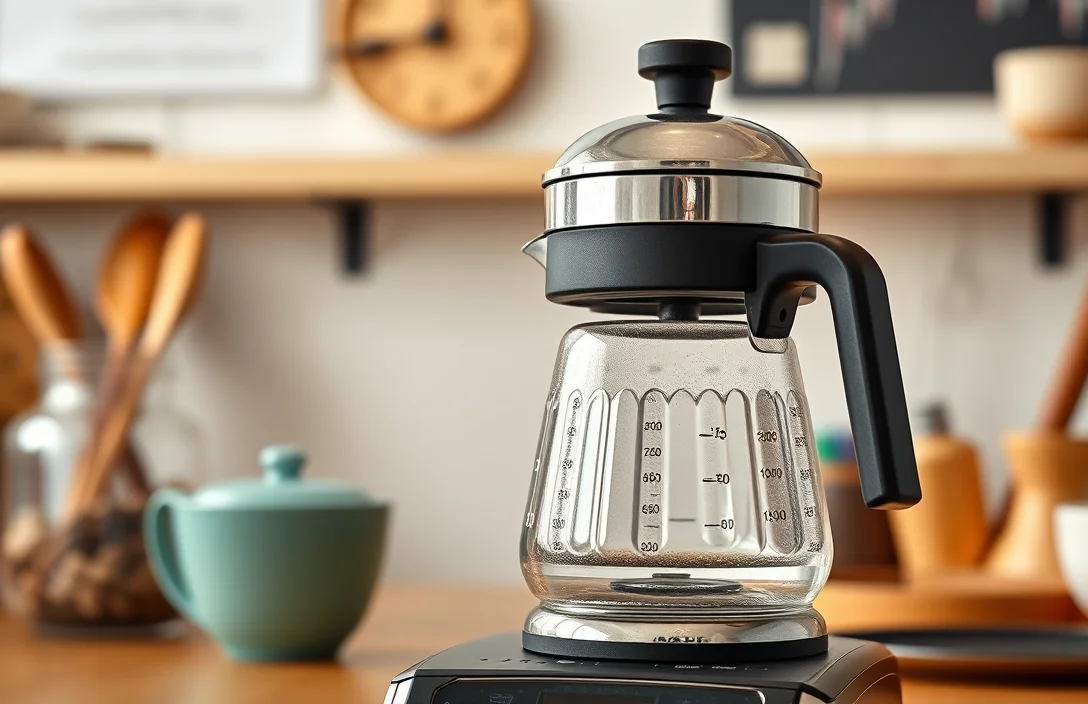
Seventy percent of coffee drinkers rely on the measurements on their coffee pots to brew the perfect cup. Knowing these numbers can significantly improve your coffee-making experience, ensuring you get the best flavor from your beans without wasting ingredients.
Understanding the measurement markings on your coffee pot is crucial for accurate brewing. These numbers indicate the amount of water to use, helping you achieve your desired coffee strength and avoid waste.
Understanding the Numbers on Your Coffee Pot
Measurement markings on your coffee pot indicate how much water to add for brewing. These numbers usually represent cup sizes, which can differ based on the manufacturer. For most coffee makers, one cup is typically equivalent to 6 ounces of water, not the 8 ounces you might expect. Knowing this helps you avoid making too weak or too strong a brew.
Every increment on the pot corresponds to a specific amount of water, helping you achieve the desired strength and flavor. For instance, if you see a mark indicating “4 cups,” that means you should add water up to that line for a total of 24 ounces. Familiarizing yourself with these numbers ensures that you measure accurately, saving both coffee and water.
Accuracy plays a crucial role in brewing. If you consistently use the measurement markings, your results will be more predictable. Many enthusiasts recommend using the same coffee-to-water ratio for each brew to develop a consistent flavor profile. As you become more comfortable, you can experiment with the ratios to find what suits your taste best.
Measurement Units Used in Coffee Brewing
Cups, ounces, and liters are essential measurements in coffee brewing. Most coffee pots have markings that indicate these units, allowing you to prepare your brew accurately. Knowing these measurements helps ensure you use the right amount of water and coffee grounds, leading to a better-tasting cup.
Ounces are commonly used in the United States, where a standard cup is typically 8 fluid ounces. Many coffee makers may have markings that reflect this measurement, making it easier for novices to understand how much liquid to use. Familiarize yourself with these markings for effective brewing.
Understanding these units allows you to measure accurately, ensuring that you don’t waste coffee or water. Accurate measurements lead to consistency in brewing, which is crucial for achieving that perfect cup every time. Start practicing with your coffee pot’s markings to gain confidence in your brewing skills.
Coffee-to-Water Ratios for Perfect Brews
Measuring coffee accurately is crucial for brewing perfection. A common recommendation is to use one to two tablespoons of ground coffee per six ounces of water. This ratio gives a balanced flavor without being too weak or overpowering. Adjusting the quantity based on your taste preference can lead to delightful variations.
Maintaining consistency is key. If you prefer a bolder cup, increase the coffee amount slightly. Conversely, if you enjoy a milder brew, reduce the coffee. Experimenting within the one to two tablespoons range allows you to discover your ideal taste without wasting ingredients.
Using your coffee pot’s measurement markings aids in precise brewing. Fill water to the desired line, ensuring you match the coffee amount accordingly. This strategy eliminates guesswork, helping you produce a reliable cup every time. Regularly check your measurements to build confidence in your brewing skills.
Adjustments may be necessary based on coffee type and grind size. For instance, finer grounds may require slightly less coffee, while coarser grinds may need a bit more to achieve the desired strength. Keep notes on your preferences to replicate successful brews in the future.
Brewing Capacity and Its Importance
Measuring your coffee pot’s brewing capacity accurately is crucial for making the perfect cup. Each number on your coffee pot indicates the amount of liquid it can hold, helping you to gauge how much coffee to brew. Knowing this capacity ensures you don’t waste coffee or water, leading to a more efficient brewing process.
- Review the markings on the pot. The numbers typically indicate the maximum amount of brewed coffee your pot can hold, usually in cups or ounces. Familiarize yourself with these measurements to avoid confusion.
- Adjust your coffee-to-water ratio based on capacity. If your pot can brew 12 cups, use the recommended ratio to calculate how much coffee grounds and water you need for optimal flavor.
- Ensure you fill the pot to the appropriate level. Avoid overfilling, which can lead to spills, or underfilling, which can result in weak coffee. Follow the markings closely for best results.
- Experiment with different amounts. Start brewing the maximum capacity to familiarize yourself with taste and strength. Adjust the measurements slightly to find your preferred flavor profile.
Utilizing the capacity markings effectively will streamline your coffee-making process, ensuring each cup is brewed to perfection. With practice, you’ll become more adept at measuring and brewing, making every cup a delightful experience.
Common Sizes of Coffee Pots Explained
Standard coffee pots typically range from 4 to 12 cups in capacity. The size you choose depends on your brewing needs. For single servings or small households, a 4 to 6-cup model works well. Larger pots, like the 10 to 12-cup options, are ideal for families or entertaining guests.
Smaller coffee makers, often labeled as “single-serve” machines, are excellent for quick brews. They usually brew 1 to 2 cups at a time, allowing for fresh coffee without waste. If you frequently drink coffee throughout the day, consider a larger pot, which can keep coffee warm for extended periods.
Measuring cup markings on the pot simplify portion control. Each mark indicates how much water to add based on the desired number of cups. For instance, if you want to brew 8 cups, fill the pot to the corresponding line. This ensures consistent flavor and strength with every brew.
Specialty coffee pots may feature different capacities, such as thermal carafes or espresso machines. Always check the manufacturer’s specifications to understand the exact volume. Knowing your coffee pot’s size helps you brew the perfect cup every time.
Markings for Various Brew Types
Special markings on your coffee pot indicate different brew styles and strengths. Typically, these markings help you measure the amount of water and coffee grounds needed for various preferences, such as a stronger brew or a milder flavor. Understanding these measurements is essential for brewing the perfect cup.
Commonly, coffee pots feature lines or numbers that correspond to the number of cups you can brew. For instance, if you want to make four cups, you will fill the pot to the fourth line. Some models also provide markings for different strength levels, allowing you to experiment with coffee-to-water ratios. Adjusting these ratios can significantly enhance your coffee experience.
Notably, some pots include additional markings for specific coffee styles, like espresso or French press. These indicators guide you in using the correct amount of coffee for that particular brewing method. Always check your coffee maker’s manual to ensure you are following the appropriate guidelines for your chosen brew style.
Measuring accurately prevents waste and ensures consistency. If you want to enjoy your coffee without any guesswork, utilize these helpful markings to achieve the desired flavor and strength every time you brew a fresh pot.
Calibrating Your Coffee Maker for Accuracy
Ensuring precise measurements is crucial for brewing great coffee. Calibration can help you achieve consistent results every time you use your coffee maker. Follow these steps to verify that the markings on your pot align with the actual volume of water used.
- Fill your coffee pot with water to the first marking, then pour it into a measuring cup. Ensure it matches the intended volume, such as 4 or 8 ounces.
- Adjust the water level in your coffee pot as necessary. If it does not match, note the difference and use this information to adjust your future measurements.
- Repeat this process for each marking on your coffee pot. Testing multiple levels helps confirm the accuracy across the board, ensuring a reliable brewing experience.
- Document your findings for easy reference. Keeping track of any discrepancies will streamline your brewing process and help you avoid confusion later.
- Familiarize yourself with the adjusted measurements. Once calibrated, use the markings on the pot confidently, knowing they reflect the correct amounts.
Following these steps guarantees a well-calibrated coffee maker, enhancing your brewing consistency. Understanding these measurements is key to making the perfect cup of coffee every time.
Quick Summary
- Numbers on a coffee pot indicate the number of cups the pot can brew.
- Common measurements are often based on standard 6-ounce cups.
- Understanding these numbers helps in brewing the right amount of coffee.
- Different coffee pot designs may have varying cup sizes and capacities.
- Using the correct water-to-coffee ratio improves flavor and strength.
- Some pots also feature markings for water levels, aiding in accurate measurements.
- Familiarity with your coffee pot’s numbers enhances overall brewing consistency.
Frequently Asked Questions
What do the numbers on my coffee pot mean?
The numbers on your coffee pot typically indicate the amount of water in cups or ounces. Each marking helps you measure the right amount of water for the number of cups of coffee you want to brew.
How do I use the measurement markings for brewing coffee?
To use the measurement markings, fill the pot with water up to the desired number based on how many cups of coffee you want to make. For example, if you want to brew four cups, fill the pot to the 4-cup line and then pour that water into the coffee maker’s reservoir.
Do I need to follow the measurements exactly?
While it’s best to follow the measurements for consistent results, you can adjust them slightly based on your taste preferences. If you prefer stronger coffee, you might use a bit less water for the same amount of coffee grounds.
What if my coffee pot has different measurement units?
If your coffee pot uses ounces instead of cups, remember that 1 cup equals 8 ounces. You can use this conversion to ensure you are measuring the correct amount of water for your preferred coffee strength.
Can I still make coffee if I don’t have a full pot of water?
Yes, you can brew coffee with any amount of water as long as you adjust the coffee grounds accordingly. Just make sure to maintain the proper coffee-to-water ratio for the best flavor, typically 1 to 2 tablespoons of coffee per 6 ounces of water.

- Unlocking the Venti: Discover the Perfect Shot Count for Your Drink - October 13, 2026
- Unpacking the Buzz: Caffeine Levels in Café Bustelo Espresso - October 13, 2026
- How to Fix Bitter Coffee: 10 Expert Ways to Improve the Taste - October 4, 2026