
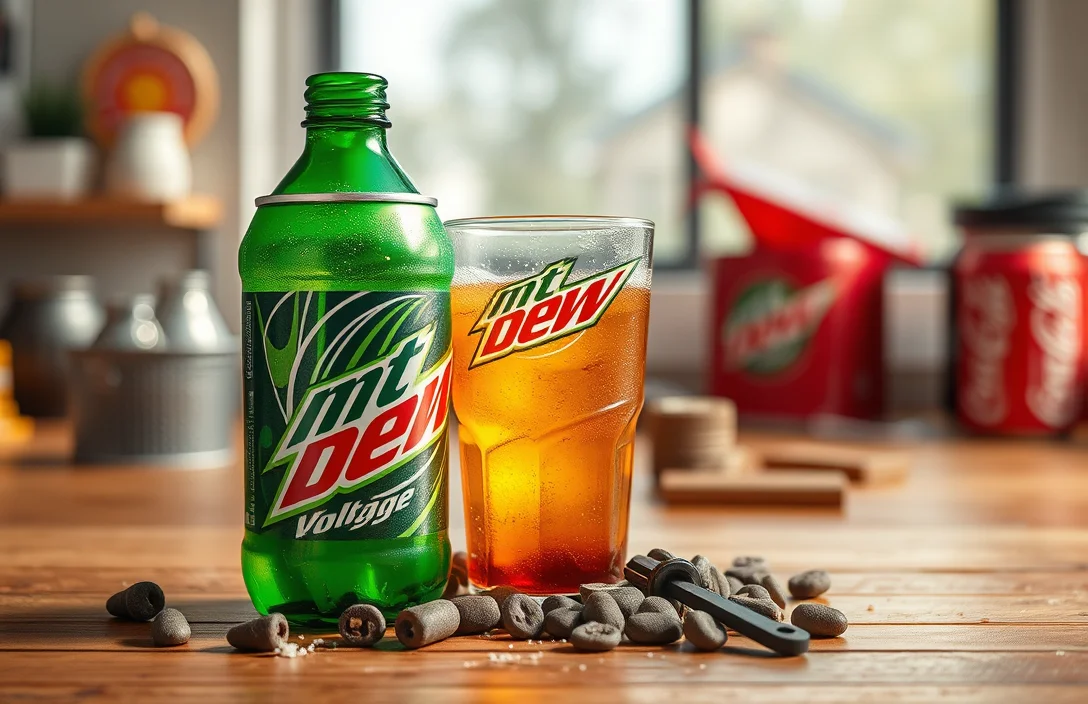
Mountain Dew Voltage contains 91 mg of caffeine per 12 oz can, making it one of the more potent options in the soda market. This unique flavor combines citrus with a hint of raspberry, appealing to those seeking a bold taste and an energy boost.
Voltage offers high caffeine content, distinct flavor, and vibrant color. It’s popular among fans looking for an energizing drink while enjoying a sweet, tangy experience. Understanding these aspects can help consumers make informed choices regarding their beverage options.
Overview of Mt. Dew Voltage
Mt. Dew Voltage stands out with its unique flavor combination of citrus and raspberry. This vibrant beverage offers a refreshing twist on the classic Mt. Dew taste, capturing the attention of soda enthusiasts. Its bold color and distinctive taste make it a favorite among fans seeking something different.
Crafted to deliver a stimulating experience, this drink contains caffeine, adding to its appeal as a pick-me-up option. For those who appreciate energy-boosting beverages, Mt. Dew Voltage serves as an exciting choice. Its energizing properties can enhance focus and alertness, making it popular among active individuals.
Flavor enthusiasts often enjoy the complexity of Mt. Dew Voltage, as it blends sweetness with tanginess. This unique profile differentiates it from other sodas on the market, making it a refreshing alternative. Consumers often seek out this flavor for its ability to provide a quick and enjoyable refreshment.
Availability in various formats, such as cans and bottles, allows for easy consumption on the go. Whether it’s enjoyed during outdoor activities or as a midday treat, Mt. Dew Voltage offers convenience and flavor. Its distinctive characteristics make it a noteworthy option for those exploring new beverage choices.
Caffeine Content and Comparison
Caffeine levels in Mt. Dew Voltage stand out among popular soft drinks. Each 12-ounce can contains approximately 91 mg of caffeine, providing a notable energy boost. This amount is higher than many other sodas, making it a preferred choice for those seeking a sugary, caffeinated refreshment.
Comparison with other beverages reveals its potency. For instance, a standard cola typically contains around 30 mg of caffeine per 12 ounces, while energy drinks can range significantly higher. Many brands offer energy variants with caffeine content exceeding 100 mg per serving, but the balance of flavor and caffeine in Voltage appeals to a broader audience.
Measurements indicate that Voltage’s caffeine content delivers a quick energy boost without the intense, jittery effects often associated with stronger energy drinks. Consumers appreciate this balance, making it a favorite for casual social settings and everyday hydration.
Understanding your caffeine tolerance is crucial. Regular consumers of caffeinated beverages may find Mt. Dew Voltage comparable to their usual choices, while those sensitive to caffeine should approach with caution. Monitoring intake can help maintain energy without adverse effects on health.
Flavor Profile and Key Ingredients
Citrus notes dominate Mt. Dew Voltage, offering a unique flavor experience. The primary taste is a blend of sweet and tangy, featuring a raspberry undertone that enhances its refreshing quality. This combination not only appeals to the palate but also creates a vibrant, energizing sensation that pairs well with its caffeine content.
Sugar contributes significantly to the sweetness, balancing the tartness of the citrus flavors. Artificial flavors and colors amplify the overall taste and visual appeal. The inclusion of caffeine provides that extra kick, making it popular among those seeking an energizing beverage. Carefully crafted, its flavor profile sets it apart from other sodas.
Enhanced with carbonation, the beverage offers a fizzy texture that heightens the drinking experience. Each sip delivers a bubbly burst, refreshing and invigorating. The ingredients work harmoniously, ensuring that the flavor remains memorable and enjoyable. Overall, this distinctive blend makes Mt. Dew Voltage a favorite among fans of energy-infused drinks.
Nutritional Information Breakdown
Calories in Mt. Dew Voltage total approximately 290 per 20-ounce serving. This high-calorie count primarily comes from its sugar content, which is about 77 grams. Many consumers may find this energy boost appealing, but moderation is key due to the sugar levels.
Sodium levels reach around 70 milligrams, contributing to the overall flavor profile. While this amount may seem minimal, those monitoring sodium intake should consider it in their daily diet. The drink also contains no fat or cholesterol, making it a low-fat option.
Caffeine content stands at 91 milligrams per 20-ounce serving. This amount offers a substantial boost without being excessive for occasional use. For comparison, a standard 8-ounce cup of coffee typically contains about 95 milligrams, making Voltage comparable in caffeine strength.
Vitamins and minerals are limited in this beverage. While it contains small amounts of vitamin C, it lacks other significant nutrients. Thus, relying on it solely for hydration or nutrition isn’t advisable. Consumers should balance their intake of energy drinks with healthier options.
Target Audience and Marketing Strategies
Young adults prefer high-energy positioning; market directly to gamers and action-sport audiences through late-night livestream sponsorships, influencer challenge activations, and in-game ad placements. Emphasize bright citrus-berry flavor and the measurable buzz from mt dew voltage caffeine in concise creative. Reserve budget for limited runs, co-branded gear, and sampling at esports events to convert trial into repeat purchases.
- Target core demographics: males 18–34 through esports sponsorships, late-night stream tie-ins, and action-sports event sampling. Prioritize micro-influencers with engaged followings, deploy limited-edition cans plus QR-driven challenges, and monitor promo-code redemptions and 30-day repurchases to measure campaign ROI.
Caffeine Effects on Consumers
Caffeine in mt dew voltage increases central nervous system stimulation, producing alertness, elevated heart rate and blood pressure, reduced sleep quality, and diuresis. Effects are dose-dependent, appearing within 15–45 minutes and lasting three to six hours; habitual consumers develop tolerance and may experience withdrawal headaches, irritability, or fatigue after sudden cessation.
Pregnant people and adolescents should avoid high intake and consult healthcare providers because caffeine crosses the placenta and affects developing nervous systems; those with hypertension, arrhythmias, or anxiety disorders should monitor symptoms and reduce consumption.
Sales Data and Popularity Trends
Position promotions around predictable spikes: schedule heavier inventory and promotional pricing for summer months and esports/music events; prioritize endcap placement and multipack offers; create 7–14 day targeted discounts tied to spikes; monitor weekly sell-through and shelf velocity, and use online search trend data for mt dew voltage caffeine to time social ads and in-store signage.
Track weekly velocity and adjust orders to avoid out-of-stocks; target 18–34 males with digital ads, bundle 12-packs and singles for impulse and household buyers, test 15–25% temporary price cuts for 10–20% sales lift, and analyze regional differences—urban centers and college towns often show higher demand.
Product Variants and Alternatives
Exploring other flavors of Mt. Dew reveals exciting options for those who enjoy unique tastes. Some popular variants include Code Red, a cherry-flavored choice, and Baja Blast, which offers a tropical twist. Each flavor has its own distinct caffeine content, appealing to different preferences and occasions.
Consider trying Mt. Dew’s major competitors, such as Mellow Yellow and Surge. Mellow Yellow provides a similar citrus flavor profile, while Surge is known for its high caffeine content and bold taste. Both can serve as alternatives for those seeking a caffeine kick without sticking to just one brand.
Comparing caffeine levels among different sodas can help you find the right match for your energy needs. For instance, a typical serving of Mt. Dew contains around 54 mg of caffeine, while other brands may vary significantly. Reading labels ensures you make informed choices based on your caffeine tolerance.
Experimenting with energy drinks can also be worthwhile. Brands like Monster and Red Bull offer high caffeine options, often infused with additional vitamins and flavors. If you’re looking for something beyond traditional sodas, these alternatives can provide a different experience with varying energy impacts.
Quick Summary
- Mt Dew Voltage is a citrus-flavored soda infused with a hint of raspberry.
- Each can contains approximately 91 mg of caffeine, providing a moderate energy boost.
- It is marketed primarily toward younger consumers and gamers.
- Voltage is part of the Mountain Dew brand’s line of flavored soft drinks.
- The drink is known for its vibrant blue color and unique taste profile.
- It was originally introduced as a limited-time offering but gained popularity.
- Voltage is often used as a mixer in various cocktails and beverages.
Frequently Asked Questions
What is Mt Dew Voltage?
Mt Dew Voltage is a flavor variant of the popular Mountain Dew soda, known for its unique combination of citrus and raspberry flavors. It is often characterized by its vibrant blue color and is popular among fans of the brand.
How much caffeine is in Mt Dew Voltage?
Mt Dew Voltage contains approximately 54 mg of caffeine per 12 fl oz can. This caffeine content is similar to other Mountain Dew flavors, making it a popular choice for those looking for a caffeine boost.
Is Mt Dew Voltage available year-round?
Mt Dew Voltage is typically available as a limited-time offering, so its availability may vary by season and location. It is often re-released during certain promotional events or campaigns, so keep an eye out for announcements from the brand.
What are the nutritional facts for Mt Dew Voltage?
A 12 fl oz can of Mt Dew Voltage contains about 170 calories, 46 grams of sugar, and minimal sodium. For those monitoring their sugar intake, it’s important to consider these factors when enjoying this beverage.
Can I use Mt Dew Voltage in recipes or cocktails?
Yes, Mt Dew Voltage can be used creatively in various recipes and cocktails. Its unique flavor profile makes it an interesting mixer for both non-alcoholic and alcoholic beverages, adding a refreshing twist to your drinks.

- Unlocking the Venti: Discover the Perfect Shot Count for Your Drink - October 13, 2026
- Unpacking the Buzz: Caffeine Levels in Café Bustelo Espresso - October 13, 2026
- How to Fix Bitter Coffee: 10 Expert Ways to Improve the Taste - October 4, 2026