
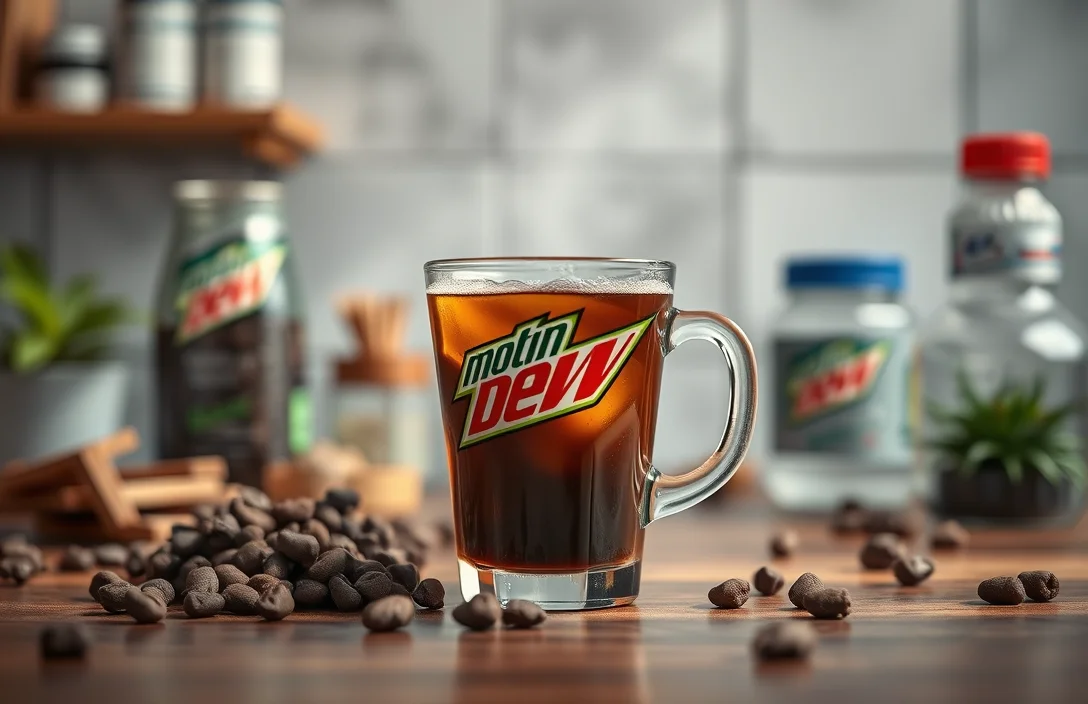
Mountain Dew Voltage contains 91 mg of caffeine per 12 fl oz, making it one of the more energizing choices among soft drinks. This unique flavor combines citrus notes with a hint of raspberry, appealing to those seeking both refreshment and a caffeine boost.
Voltage offers a vibrant taste, higher caffeine content than regular Mountain Dew, and distinctive flavor that sets it apart. Ideal for energy seekers, it provides a quick pick-me-up anytime you need it.
Caffeine Content in Mountain Dew Voltage
Caffeine levels in Mountain Dew Voltage stand out at 91 mg per 12 fl oz serving. This amount positions it among other popular energy drinks and sodas, making it a notable choice for a caffeine boost. Many consumers appreciate its refreshing flavor while benefiting from this moderate dose of caffeine.
- Comparatively, regular Mountain Dew contains 54 mg of caffeine per the same serving size. This difference may influence preferences for those seeking more energy.
- Energy drinks like Red Bull offer about 80 mg of caffeine per 8.4 fl oz can. Voltage exceeds this slightly, providing an energizing option without the higher sugar content of some competitors.
- Many coffee lovers find that an 8 oz cup of brewed coffee averages around 95 mg of caffeine. Voltage’s caffeine level is comparable, making it a smart alternative to traditional caffeinated beverages.
Choosing beverages wisely can ensure adequate caffeine intake without excess sugars. With its unique caffeine profile, Mountain Dew Voltage serves as a viable option for those needing an energy lift.
Flavor Profile of Voltage
Voltage delivers a vibrant taste experience. This unique beverage combines citrus flavors with a punch of berry and ginseng, creating a refreshing blend that stands out. The balance of sweetness and tartness makes it enjoyable, especially for those who appreciate a flavorful twist in their soft drinks.
Ingredients like high fructose corn syrup and natural flavors contribute to its distinct profile. While the primary taste is citrusy, the berry undertones add depth, making each sip intriguing. The ginseng not only enhances the flavor but also adds a subtle earthiness that complements the overall experience.
Sweetness levels vary, providing a satisfying finish without overwhelming the palate. The carbonation adds a crispness that enhances the flavors, making it an excellent choice for those craving a fizzy drink. Together, these elements create a memorable taste that appeals to many soda enthusiasts.
Flavor combinations in Voltage encourage experimentation. Mixing it with other beverages or using it in cocktails can highlight its versatility. This adaptability makes it more than just a casual drink; it can serve as a base for creative beverage concoctions.
Health Effects of Caffeine in Voltage
Caffeine consumption can enhance alertness and concentration. Many people enjoy Mountain Dew Voltage for its stimulating effects. The caffeine content in this drink helps to temporarily increase energy levels and improve focus, making it beneficial during long work hours or study sessions.
Increased heart rate may occur with high caffeine intake. Some individuals might experience palpitations or anxiety after consuming beverages with significant caffeine. Monitoring personal tolerance levels is essential to avoid adverse effects. If you feel jittery or anxious, reducing intake can help restore balance.
Frequent consumption can lead to dependency. Relying on caffeine for energy may result in withdrawal symptoms, such as headaches or fatigue, if intake decreases suddenly. Cultivating a healthy relationship with caffeine is crucial, ensuring it remains a supplement rather than a crutch.
Potential digestive issues can arise from excess caffeine. Some people may experience stomach discomfort or acid reflux after drinking caffeinated beverages. Staying mindful of consumption amounts can help prevent these uncomfortable side effects.
Comparison of Voltage to Other Mountain Dew Flavors
Voltage offers a unique blend of flavor and caffeine content, making it stand out among other Mountain Dew varieties. In terms of caffeine, it contains 91 mg per 12 oz serving, placing it in the mid-range compared to other flavors. Recognizing these differences can help consumers choose the right option for their energy needs.
- Code Red delivers 54 mg of caffeine in a 12 oz can, significantly lower than Voltage. Flavor-wise, it provides a cherry punch, appealing to those who enjoy sweeter options.
- Live Wire features a similar caffeine content of 72 mg per 12 oz, but offers an orange citrus taste. This flavor may attract those looking for something refreshing yet less intense than Voltage.
- Regular Mountain Dew contains 54 mg of caffeine, making it a lighter choice compared to Voltage. Its classic citrus flavor has a broad fan base, but it lacks the unique taste profile that Voltage provides.
- Major Melon brings a watermelon flavor to the table with 76 mg of caffeine. While it presents a distinct taste, the caffeine content is still lower than that of Voltage.
Overall, Voltage balances a higher caffeine level with a distinctive flavor, appealing to consumers seeking both energy and a unique taste experience. Its positioning among other flavors showcases its popularity as a go-to energy drink.
Marketing Strategies for Mountain Dew Voltage
Targeting the youth demographic effectively positions Mountain Dew Voltage as an energizing choice. Advertising campaigns focus on vibrant visuals and energetic themes that resonate with younger consumers. By aligning with popular culture, the brand captures attention and fosters a sense of connection among its audience.
Utilizing social media platforms creates engagement through interactive content. Campaigns often feature challenges and contests that encourage user participation, making the audience feel like part of the brand. This strategy not only increases visibility but also builds a loyal community around Voltage.
Partnering with extreme sports personalities amplifies the product’s adventurous image. Sponsoring events like skateboarding competitions or music festivals allows the brand to reach a broader audience. Such collaborations emphasize the adrenaline-fueled experience associated with consuming Voltage.
Highlighting the unique flavor and caffeine content differentiates Voltage from other soft drinks. The marketing strategy includes showcasing its bold taste and energy-boosting qualities in advertisements. This approach appeals to consumers seeking both refreshment and an extra kick in their day.
Creating memorable slogans reinforces brand identity. Catchy phrases that encapsulate the product’s essence are crucial in advertising. Such slogans become a part of cultural conversations, helping Voltage to remain top-of-mind for consumers.
Nutritional Information for Voltage
Mountain Dew Voltage contains essential nutrients that contribute to its energizing qualities. Each 12-ounce serving has approximately 290 calories, driven primarily by its sugar content. With 77 grams of sugar, it provides a quick source of energy, which is beneficial for those needing a fast boost during the day.
Caffeine levels are also significant, with about 72 milligrams per 12-ounce serving. This amount offers a noticeable kick, enhancing alertness and focus. While some may appreciate this caffeine boost, it’s important to balance intake with other sources of caffeine throughout the day to avoid jitters or energy crashes.
Sodium content stands at 60 milligrams per serving, which is relatively low compared to many other soft drinks. This can help maintain hydration levels, although excessive consumption should still be monitored. Overall, the nutritional makeup of Voltage combines sugar and caffeine for a quick energy solution.
Vitamins are minimal, with small amounts of Vitamin B6 and Vitamin B12. These nutrients can assist in energy metabolism, but they do not significantly contribute to daily requirements. Knowing this can help consumers make informed choices about including Voltage in their diet without relying solely on it for essential vitamins.
Consumer Reviews and Ratings of Voltage
Feedback on Mountain Dew Voltage highlights its unique flavor and energizing effects. Many consumers appreciate its refreshing taste combined with the caffeine boost it provides. Users often mention that it serves as a great alternative to traditional energy drinks, especially for those who enjoy soda.
Ratings vary, but a significant portion of drinkers rate it highly for its taste and energy-boosting properties. Reviewers frequently note that the sweetness balances well with the citrus flavor, making it enjoyable without being overly sugary. Many consumers feel energized without the jitters that accompany other caffeinated beverages.
Critiques sometimes focus on its high sugar content, which some find concerning. Health-conscious individuals may express reservations about its nutritional value, particularly in comparison to sugar-free options. Nevertheless, most fans of Voltage seem willing to overlook this factor for the sake of flavor and the caffeine kick.
General consensus indicates that Mountain Dew Voltage is well-received in the soft drink market. Many consumers recommend it to friends, especially those who seek an invigorating soda experience. Overall, the blend of taste and caffeine has endeared it to a loyal fanbase.
Voltage Availability and Pricing
Retail locations often stock Mountain Dew Voltage, making it easily accessible for consumers. Grocery stores, convenience shops, and gas stations usually carry this variant, allowing for quick purchases. Online platforms also offer extensive options, providing home delivery or in-store pickup services for added convenience.
Pricing varies based on location and packaging. Typically, a 12-pack of cans ranges from $4 to $6, while single bottles are priced around $1 to $2. Bulk purchases may yield discounts, so checking for sales or promotions can lead to savings.
Availability fluctuates seasonally and regionally, with some areas experiencing limited stock. Monitoring local advertisements and store inventories helps consumers find the best options. Specialty retailers might also offer unique deals, especially during promotional events or product launches.
Tracking prices through online comparison tools can reveal the best deals. Many websites aggregate prices, enabling consumers to easily identify the most economical choices available. Keeping an eye on local promotions can enhance savings while enjoying the caffeine boost offered by Voltage.
Quick Summary
- Mountain Dew Voltage contains about 54 mg of caffeine per 12 fl oz can (≈4.5 mg per fl oz).
- Typical container estimates: 16 fl oz ≈72 mg, 20 fl oz ≈90 mg, 2‑liter ≈300 mg (approximate values based on 4.5 mg/oz).
- Caffeine level is similar to regular Mountain Dew and many other citrus‑flavored colas.
- FDA guidance for healthy adults is up to ~400 mg/day; limit intake for children, pregnant or breastfeeding people, and caffeine‑sensitive individuals.
- Sugar and calories in the regular formula can compound stimulant effects; check labels for Zero Sugar or other variants that may have different caffeine content.
- To avoid caffeine, choose explicitly labeled caffeine‑free beverages or read the product Nutrition Facts before drinking.
Frequently Asked Questions
How much caffeine is in Mountain Dew Voltage?
A 12 fl oz (355 mL) can of Mountain Dew Voltage contains about 54 mg of caffeine, similar to regular Mountain Dew. Larger bottles contain proportionally more (for example, a 16 oz bottle is roughly 72 mg and a 20 oz bottle about 90 mg); always check the product label for the exact amount in your country.
Is Mountain Dew Voltage more caffeinated than regular Mountain Dew?
No—Voltage’s caffeine content is roughly the same as original Mountain Dew, so it produces a similar stimulant effect. Any perceived difference usually comes from flavoring or other added ingredients rather than higher caffeine levels.
How quickly will I feel the caffeine and how long do the effects last?
Caffeine from a soda typically starts working within 15–45 minutes and often peaks around 30–60 minutes after drinking. Effects can last several hours; caffeine’s half-life is commonly 3–7 hours depending on individual metabolism, so alertness may persist for 3–5 hours or longer.
How much Mountain Dew Voltage is safe to drink each day?
For most healthy adults, up to about 400 mg of caffeine per day is considered safe—equivalent to roughly seven to eight 12-oz cans—though consuming that much soda adds a lot of sugar and calories. Pregnant people, adolescents, and those with certain medical conditions are usually advised to limit intake to lower amounts (often in the 100–200 mg/day range) and should consult a healthcare provider for personalized guidance.
Who should avoid or limit Mountain Dew Voltage because of caffeine?
Children, pregnant or breastfeeding people, and anyone with heart problems, anxiety disorders, insomnia, or known caffeine sensitivity should avoid or limit intake and discuss concerns with a healthcare professional. Also be cautious combining Voltage with other caffeinated products or alcohol to prevent excessive total caffeine consumption and potential adverse effects.

- Unlocking the Venti: Discover the Perfect Shot Count for Your Drink - October 13, 2026
- Unpacking the Buzz: Caffeine Levels in Café Bustelo Espresso - October 13, 2026
- How to Fix Bitter Coffee: 10 Expert Ways to Improve the Taste - October 4, 2026