
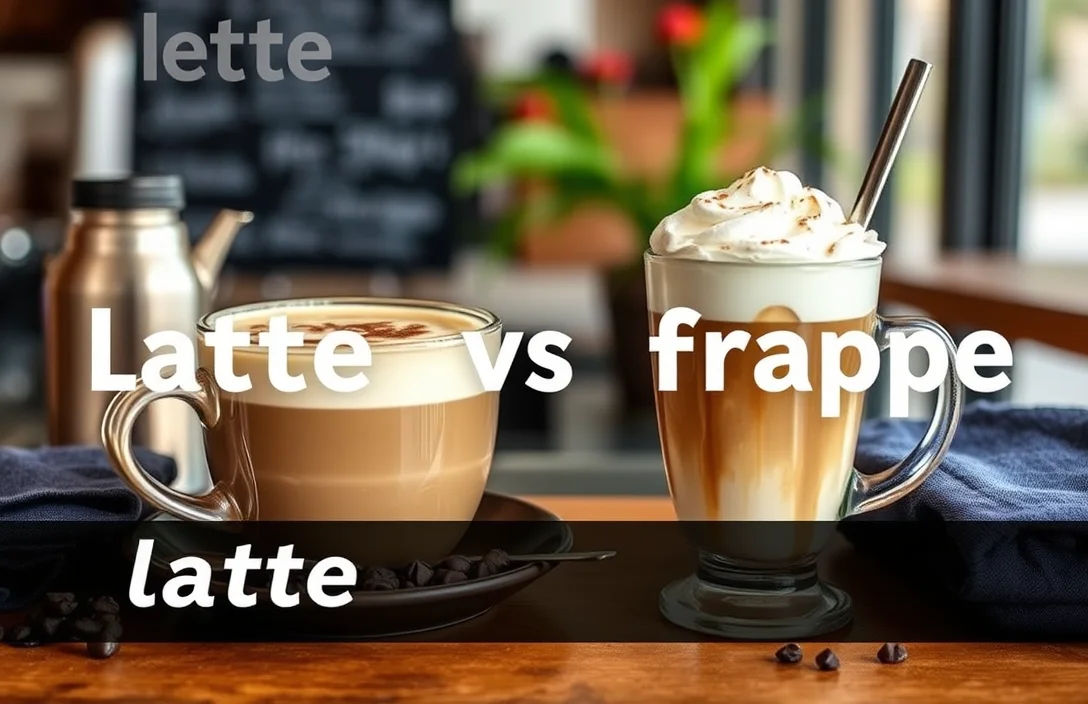
Seventy percent of coffee drinkers prefer lattes over frappes, showcasing the popularity of this creamy beverage. While both drinks share coffee as a base, their preparation and flavor profiles set them apart dramatically, making it essential to understand their distinct characteristics.
Frappe is typically blended with ice and topped with whipped cream, while latte is steamed milk combined with espresso. Texture differentiates them; lattes are smooth, and frappes are icy. Caffeine content varies too, with lattes generally having more espresso per serving.
Ingredients of a Latte
Espresso forms the base of a latte. This rich coffee is brewed by forcing hot water through finely-ground coffee beans. Typically, a single shot of espresso is used, providing a strong coffee flavor that complements the milk.
Steamed milk is essential for creating a latte. Usually, a ratio of one part espresso to three parts steamed milk is ideal. The milk is heated and aerated, resulting in a creamy texture that enhances the drink’s overall mouthfeel.
Foamed milk adds a finishing touch. A small amount of milk foam is placed on top of the latte, creating a velvety layer. This foam not only improves the presentation but also contributes to the drink’s texture.
Optional flavorings can personalize your latte. Common additions include vanilla, caramel, or hazelnut syrups. These flavorings allow for customization, catering to individual taste preferences and enhancing the overall experience.
Quality ingredients make a significant difference. Selecting high-quality coffee beans and fresh milk improves the drink’s flavor profile. Investing in good ingredients can elevate a simple latte into a delightful treat.
Preparation Methods Compared
Crafting a latte involves several key steps. Start by brewing a shot of espresso, which serves as the base. Next, steam milk until it reaches a creamy texture, incorporating air for microfoam. Pour the steamed milk into the espresso, creating a beautifully layered drink. The ratio of milk to espresso typically stands at about 3:1, providing a rich, smooth experience.
Blending a frappe takes a different approach. Begin with brewed coffee, which can be cold or room temperature. Combine the coffee with milk, sugar, and ice in a blender. Blend on high until a frothy consistency forms, ensuring the ice is finely crushed. Serve immediately, often topped with whipped cream for added indulgence. The ratio of coffee to milk may vary, depending on personal taste.
Steaming milk requires specific equipment, usually a steam wand found on espresso machines. Mastering this technique is essential for achieving the right texture. In contrast, a blender suffices for creating a frappe, making it more accessible for home preparation. This difference in equipment highlights the unique qualities of each drink, catering to varying preferences and skill levels.
Garnishing options differ significantly between the two. Lattes often feature artful foam designs, showcasing barista skills. Frappes, on the other hand, focus on toppings like whipped cream or chocolate drizzle for visual appeal. These distinct presentation styles contribute to the overall enjoyment of each beverage.
Flavor Profiles of Each
Latte offers a rich, creamy experience. Made primarily with espresso and steamed milk, its flavor is smooth and velvety. The coffee’s natural bitterness is softened by the milk, creating a harmonious balance. Often, subtle hints of sweetness emerge, especially if flavored syrups are added. This drink is perfect for those who appreciate a milder coffee taste.
Frappe delivers a refreshing, icy sensation. Blending coffee, milk, and ice, this drink is often sweetened, resulting in a more dessert-like quality. The texture is frothy and airy, providing a delightful contrast to the heavier latte. Toppings like whipped cream or chocolate syrup can enhance its sweetness, making it ideal for warm weather or as a treat.
Balance defines the flavor profile of lattes. The proportion of milk to espresso can be adjusted to suit personal preferences. Some enjoy a stronger coffee flavor, while others prefer it creamier. Experimenting with different milk types, such as almond or oat, can also alter the taste, introducing new dimensions to this classic beverage.
Sweetness characterizes frappes distinctly. Often, baristas incorporate flavored syrups or sweeteners to elevate the drink’s taste. Chocolate, caramel, and vanilla are popular choices. The icy texture combined with sweetness results in a delightful indulgence, appealing to those who crave a dessert-like coffee experience.
Caffeine Content Analysis
Caffeine levels significantly vary between lattes and frappes. Typically, a standard latte contains one or two shots of espresso, providing around 63-126 mg of caffeine. In contrast, frappes often contain less espresso or coffee, resulting in approximately 30-75 mg of caffeine, depending on the recipe and size.
Comparing the caffeine content can be straightforward. Here’s a simple breakdown:
| Drink Type | Caffeine Content (mg) |
| Latte (1 shot) | 63 |
| Latte (2 shots) | 126 |
| Frappe | 30-75 |
Choosing a beverage based on caffeine needs can enhance your experience. If you seek a robust caffeine kick, a latte is a superior choice. Alternatively, if you prefer a milder option, the frappe may suit your taste better.
Making informed decisions about caffeine consumption is essential. Consider your daily caffeine limits and lifestyle. Balancing enjoyment and health is key when selecting between these two delicious options.
Serving Styles and Presentation
Presentation styles differentiate lattes and frappes significantly. Lattes are typically served in tall, slim glasses or ceramic mugs, showcasing the creamy texture. These vessels emphasize warmth and comfort, appealing to those who enjoy a cozy atmosphere while sipping their drink.
- Frappe serving is more casual. Often presented in wide cups or mason jars, frappes highlight their refreshing nature. The use of ice and whipped cream on top creates a visually enticing drink.
- Garnishing lattes enhances visual appeal. Common toppings include cocoa powder or cinnamon, adding flavor and aesthetic charm. Latte art, created by pouring steamed milk, can elevate the experience further.
- Frappes often come with whipped cream. This indulgent topping adds texture and a sweetness that complements the chilled beverage. Some variations may include flavored syrups drizzled over the whipped cream.
- Temperature plays a crucial role. Lattes are served hot, making them ideal for colder weather, while frappes are cold, providing a refreshing option in warmer climates. This aspect affects consumer choice significantly.
- Presentation also includes size variations. Lattes are usually served in standard sizes like 8 oz or 12 oz, while frappes can be found in larger portions, catering to those wanting a more substantial drink.
Popular Variations of Lattes and Frappes
Hot lattes showcase steamed milk texture and espresso balance; popular hot variations include classic espresso latte, vanilla latte, caramel latte, matcha latte, flat white, and oat-milk lattes for dairy-free creaminess. Order syrup amount and milk type to control sweetness and mouthfeel, and request extra microfoam or ristretto shots to adjust intensity.
Pair milk base with desired sweetness; the latte vs frappe decision comes down to texture and temperature. Pick hot milk-forward variations for creamy mouthfeel and espresso clarity, or pick blended frappes—mocha, caramel, vanilla bean, cookie, and Greek frappe—for icy sweetness and drinkable dessert. Specify milk alternative and syrup level to control calories and flavor.
Quick Summary
- Latte is an espresso-based drink made with steamed milk and a small amount of milk foam.
- Frappe is a blended beverage, often made with coffee, ice, milk, and sweeteners, resulting in a frothy texture.
- Latte is typically served hot, while frappe is usually served cold.
- Latte has a creamy, smooth flavor, whereas frappe tends to be sweeter and more refreshing.
- Latte is often enjoyed as a morning or afternoon drink, while frappe is popular in warmer weather.
- Both beverages can be customized with flavors like vanilla, caramel, or mocha.
- Latte art is a common practice for lattes, while frappes focus more on presentation with layers and toppings.
Frequently Asked Questions
What is the main difference between a latte and a frappe?
A latte is a creamy coffee drink made with espresso and steamed milk, typically served hot. In contrast, a frappe is a blended drink, usually made with instant coffee, milk, ice, and sweeteners, resulting in a frothy, cold beverage.
Are lattes served hot or cold?
Lattes are primarily served hot, although they can be made iced as well. The traditional preparation involves steaming the milk to create a smooth texture that complements the espresso.
What ingredients are typically found in a frappe?
A typical frappe includes instant coffee, milk, sugar, and ice, all blended together until frothy. Variations may include different flavorings, such as chocolate or vanilla, and toppings like whipped cream.
Can I customize my latte or frappe?
Yes, both lattes and frappes can be customized to suit your taste. You can choose different milk types, add syrups or flavorings, and adjust the sweetness to create your perfect drink.
Which drink is more popular in coffee shops?
Popularity can vary by region and season; however, lattes are generally more commonly found in coffee shops, especially in colder months. Frappes tend to be favored during warmer weather due to their refreshing, cold nature.

- How to Fix Bitter Coffee: 10 Expert Ways to Improve the Taste - October 4, 2026
- Why Does My Coffee Taste Bad? 20 Common Problems and Fixes - October 4, 2026
- How to Get Better Crema With Café Bustelo Coffee - October 2, 2026