
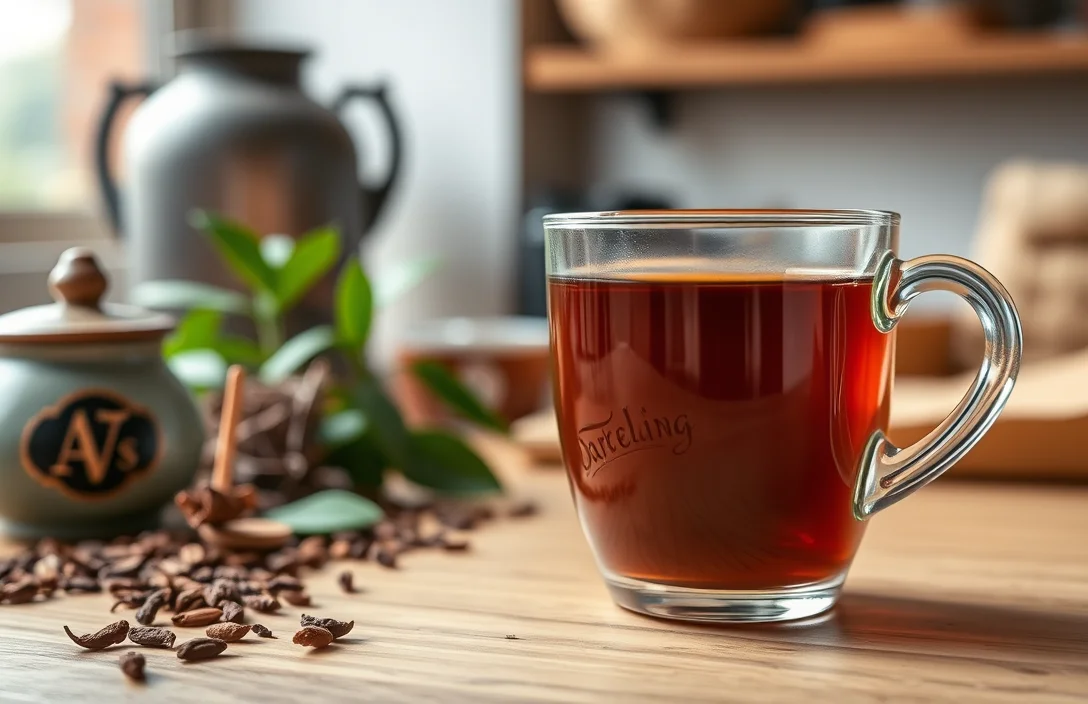
Darjeeling tea typically contains about 40-70 milligrams of caffeine per cup, making it a moderate choice for tea drinkers. This level of caffeine can vary depending on factors such as brewing time and the specific tea leaf used, which adds intrigue to its consumption.
Caffeine content in Darjeeling tea is generally lower than black tea but higher than green tea. Factors like brewing method and leaf grade significantly impact the final caffeine level.
Caffeine Content Overview of Darjeeling Tea
Darjeeling tea contains moderate caffeine levels, typically ranging from 40 to 70 milligrams per 8-ounce cup. This amount can vary based on several factors, including the type of leaves used and the brewing time. Understanding these variations helps you gauge how much caffeine you’re consuming.
Caffeine content in Darjeeling is influenced by its unique cultivation conditions. Grown at high altitudes in India, the tea plants absorb nutrients differently compared to those grown at lower elevations. This results in a distinctive flavor profile and caffeine concentration. Cultivation methods play a crucial role in determining the final caffeine levels.
Brewing time significantly affects caffeine extraction. Longer steeping times lead to higher caffeine content, as more of the compound dissolves into the water. For optimal flavor and caffeine balance, a steeping time of 3 to 5 minutes is recommended. Experimenting with steeping durations allows you to customize your tea experience.
Leaf size also contributes to caffeine levels. Smaller, broken leaves release caffeine more quickly than whole leaves during brewing. As such, loose-leaf Darjeeling tea may differ in caffeine content compared to bagged varieties. Selecting the right form of tea can enhance your caffeine experience.
Health Benefits Associated with Darjeeling Tea
Consuming Darjeeling tea offers numerous health advantages. Its rich polyphenol content, particularly catechins, supports heart health by improving cholesterol levels and reducing blood pressure. Regular intake can help maintain cardiovascular function, promoting overall wellness.
Research indicates that antioxidants in this tea combat oxidative stress, reducing the risk of chronic diseases. Drinking Darjeeling regularly may enhance immune function, making the body more resilient against illnesses.
- Weight management support through metabolism boost.
- Enhanced mental clarity and focus from moderate caffeine levels.
- Potential cancer risk reduction due to high antioxidant content.
- Improved digestion and gastrointestinal health.
Integrating Darjeeling tea into daily routines not only satisfies taste preferences but also contributes positively to health. Regular consumption may lead to improved vitality and longevity.
Comparison of Caffeine Levels with Other Teas
Darjeeling tea contains moderate caffeine levels, typically ranging from 30 to 50 milligrams per 8-ounce cup. Comparatively, it falls between black tea and green tea in terms of caffeine content.
- Black tea generally has the highest caffeine levels, averaging 40 to 70 milligrams per 8-ounce serving. This makes it a more potent option for those seeking a stronger boost in energy.
- Green tea usually contains less caffeine, averaging around 20 to 45 milligrams per 8-ounce cup. Its lower caffeine content contributes to a gentler, more calming effect compared to black and Darjeeling teas.
- Herbal teas, in contrast, often contain little to no caffeine. Popular options like chamomile or peppermint provide a caffeine-free alternative for those looking to avoid stimulants altogether.
- Oolong tea sits between green and black teas, typically containing 30 to 50 milligrams of caffeine. Its unique processing method contributes to its varied caffeine levels.
- Matcha, a powdered form of green tea, can contain significantly higher caffeine levels, ranging from 60 to 100 milligrams per serving due to the whole leaf consumption.
Overall, Darjeeling tea offers a balanced caffeine experience, making it suitable for those who enjoy a moderate stimulant without the intensity of black tea.
Factors Influencing Caffeine Levels in Darjeeling Tea
Leaf variety significantly impacts caffeine content. Different cultivars of the Camellia sinensis plant produce varying levels of caffeine. Certain Darjeeling tea varieties, such as those from the first flush, tend to have higher caffeine concentrations compared to others. Selecting specific cultivars can lead to noticeable differences in your brew’s strength.
Climate conditions throughout the growth cycle also play a crucial role. Factors like temperature, humidity, and sunlight exposure can affect the plant’s metabolism, influencing how much caffeine is produced. Cooler climates and higher altitudes in the Darjeeling region may result in teas with different caffeine profiles compared to those grown in warmer areas.
Harvest timing directly affects caffeine levels as well. Teas picked during the first flush in spring typically contain more caffeine than those harvested later in the year. Early growth stages allow the tea leaves to accumulate greater amounts of caffeine before the plant shifts its energy toward leaf development.
Processing methods further contribute to caffeine variability. Techniques such as oxidation and fermentation can alter the chemical composition of the leaves, impacting caffeine retention. Lightly processed Darjeeling teas usually preserve higher caffeine levels compared to heavily oxidized counterparts.
Brewing Time and Temperature Effects on Caffeine
Brewing methods significantly impact caffeine extraction. Temperature and steeping time are crucial variables that determine how much caffeine is released from the leaves. Understanding the optimal conditions can enhance your tea experience and maximize caffeine content.
- Water temperature influences caffeine levels. Brewing Darjeeling tea at higher temperatures, around 90-95°C (194-203°F), extracts more caffeine compared to lower temperatures.
- Steeping duration directly affects caffeine concentration. A longer steeping time, approximately 3-5 minutes, increases caffeine extraction. Shorter steeping times will yield lower caffeine levels.
- Leaf size affects infusion strength. Whole leaves tend to release caffeine more slowly than broken leaves or dust, resulting in different caffeine concentrations in the final cup.
- Multiple infusions can enhance caffeine content. Re-steeping the same leaves can extract additional caffeine, but the amount decreases with each subsequent infusion.
- Experimentation is key for optimal results. Adjusting both time and temperature according to personal preference allows for a tailored caffeine experience in every cup.
Recommended Serving Sizes for Darjeeling Tea
Optimal caffeine intake depends on serving sizes. For most individuals, one cup (about 8 ounces) of Darjeeling tea is sufficient to enjoy its flavor and caffeine benefits without overconsumption. This amount usually provides a pleasant boost without causing jitters or anxiety.
- Begin with one cup daily. This serving size generally contains 30-50 mg of caffeine, making it a manageable choice for most tea drinkers.
- Consider two cups if needed. Increasing to two cups can provide up to 100 mg of caffeine, ideal for those needing more energy, but monitor your response.
- Limit to three cups maximum. Consuming more than three cups may lead to excessive caffeine intake, potentially causing side effects like increased heart rate or insomnia.
- Adjust based on sensitivity. Everyone reacts differently to caffeine; adjust your intake based on how your body responds after each serving.
- Stay mindful of other sources. If you consume other caffeinated beverages, factor those into your total daily intake to avoid exceeding recommended limits.
Balancing your consumption will help you enjoy the delightful flavors of Darjeeling tea while managing your caffeine levels effectively.
Decaffeinated Darjeeling Tea Options Available
Decaffeinated Darjeeling tea offers a satisfying alternative for those wishing to enjoy the unique flavor without the caffeine. Many brands provide decaf versions that retain the original tea’s character. Look for options labeled as “decaffeinated” or “low caffeine” to ensure you make the right choice.
Several reputable brands produce quality decaffeinated Darjeeling tea. Popular names include Twinings, Harney & Sons, and Ahmad Tea. These brands often use the carbon dioxide method to remove caffeine while preserving flavor.
Health benefits remain accessible through decaffeinated options. Enjoy the antioxidants and other compounds found in Darjeeling tea without the stimulating effects of caffeine. This makes it suitable for evening consumption or for those sensitive to caffeine.
Brewing methods stay consistent with traditional Darjeeling tea. Use hot water around 200°F (93°C) and steep for 3-5 minutes. Experiment with the steeping time to find the perfect balance of flavor and astringency.
Finding your preferred decaffeinated blend might take some exploration. Consider trying different brands and preparations to discover which suits your palate best. Enjoy the delightful experience of Darjeeling tea without the caffeine jitters.
Quick Summary
- Darjeeling tea typically contains less caffeine than black tea, averaging around 30-50 mg per cup.
- The caffeine content can vary based on factors such as the type of Darjeeling tea (first flush vs. second flush) and brewing time.
- First flush Darjeeling teas tend to have lower caffeine levels compared to second flush varieties.
- Darjeeling tea is often enjoyed for its unique flavor profile, which is influenced by the region’s altitude and climate.
- For those sensitive to caffeine, Darjeeling tea can be a good alternative to stronger black teas.
- Brewing Darjeeling tea for a shorter duration can help reduce its caffeine content.
- Overall, Darjeeling tea offers a moderate caffeine boost, making it suitable for a light pick-me-up without the jitters.
Frequently Asked Questions
How much caffeine is in Darjeeling tea?
Darjeeling tea typically contains about 30 to 50 milligrams of caffeine per 8-ounce cup. This amount can vary based on factors such as the specific type of Darjeeling tea and the brewing time.
Is Darjeeling tea higher in caffeine than black tea?
Generally, Darjeeling tea is considered a light black tea, and its caffeine content can be lower than that of regular black teas, which usually contain 40 to 70 milligrams per cup. However, the caffeine level in Darjeeling can still be significant depending on the brewing method.
How does the brewing time affect the caffeine content in Darjeeling tea?
The longer you steep Darjeeling tea, the more caffeine will be extracted from the leaves. For optimal flavor and caffeine content, a steeping time of 3 to 5 minutes is recommended.
Can I reduce the caffeine content in my Darjeeling tea?
Yes, you can reduce the caffeine content by using cooler water or shortening the steeping time. Alternatively, you can opt for decaffeinated Darjeeling tea, which retains much of the original flavor with minimal caffeine.
How does the caffeine in Darjeeling tea compare to coffee?
Darjeeling tea contains significantly less caffeine than coffee, which averages around 95 milligrams per 8-ounce cup. Therefore, if you’re looking for a milder caffeine boost, Darjeeling tea is a suitable choice.

- How to Fix Bitter Coffee: 10 Expert Ways to Improve the Taste - October 4, 2026
- Why Does My Coffee Taste Bad? 20 Common Problems and Fixes - October 4, 2026
- How to Get Better Crema With Café Bustelo Coffee - October 2, 2026