
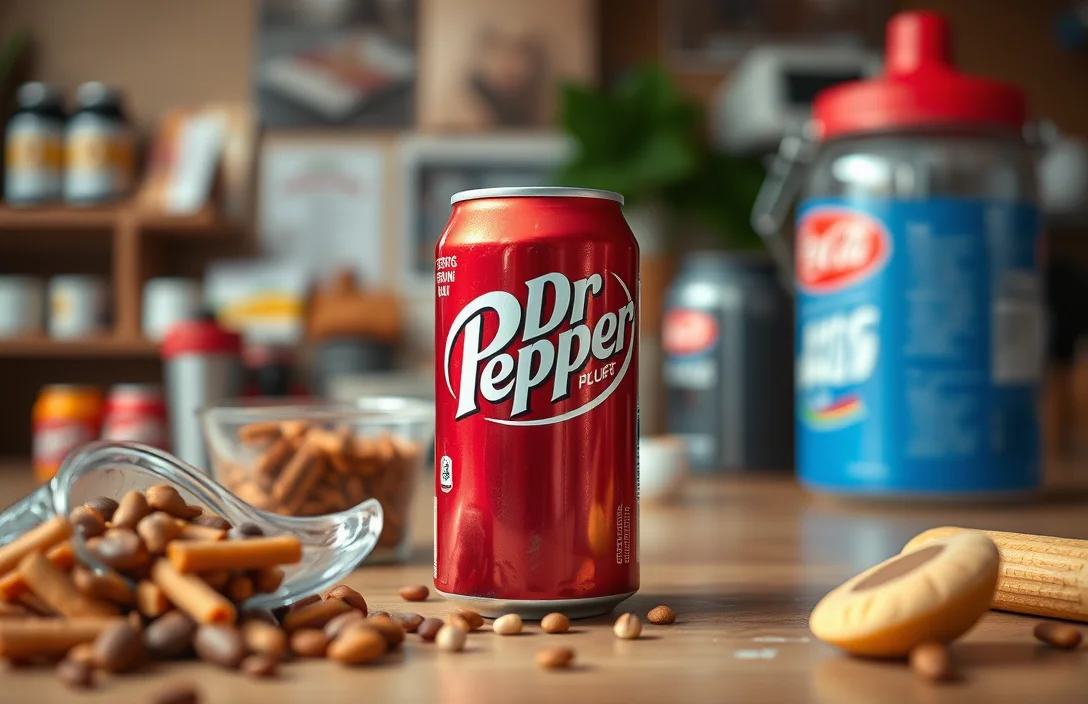
Dr Pepper contains 41 milligrams of caffeine per 12-ounce can, making it one of the more caffeinated soft drinks available. This amount is significant for those monitoring their caffeine intake or seeking an energy boost while enjoying this classic soda.
Key points: Dr Pepper has 41 mg of caffeine in a 12 oz serving. Comparatively, it contains less caffeine than Cola and more than Sprite. Always check labels for specific caffeine content.
Caffeine Content Comparison
Caffeine content varies significantly among soft drinks. For Dr Pepper, each 12-ounce can contains approximately 41 milligrams of caffeine. This amount is comparable to other popular sodas, but lower than many energy drinks and coffee options. Understanding these numbers helps consumers make informed choices about their caffeine intake.
Caffeine levels differ across brands. While Dr Pepper’s caffeine content sits at 41 mg, other sodas like Coca-Cola have about 34 mg per 12 ounces, and Mountain Dew offers around 54 mg. These variations can influence your preference depending on your desired caffeine boost.
Measurement methods can affect reported caffeine levels. Various factors, including production processes and ingredient sourcing, might lead to fluctuations in caffeine concentration. Awareness of these inconsistencies allows consumers to anticipate their caffeine consumption more accurately.
Comparative analysis reveals Dr Pepper contains moderate caffeine compared to alternatives. Many drinkers may prefer it for its unique flavor without overwhelming caffeine levels. Balancing taste and caffeine content is essential for those monitoring their intake.
Dr Pepper Variants and Caffeine
Dr Pepper comes in several variants, each with different caffeine levels. Standard Dr Pepper contains about 41 mg of caffeine per 12-ounce serving. Variants like Diet Dr Pepper and Dr Pepper Cherry typically have similar caffeine content, making them suitable alternatives for those looking for a low-calorie option without sacrificing caffeine intake.
Cherry Vanilla Dr Pepper and other flavored versions also maintain comparable caffeine levels. This consistency allows consumers to choose based on flavor preference rather than caffeine content. If you enjoy the classic taste but want a unique twist, these flavored variants provide a satisfying experience without altering your caffeine consumption significantly.
Diet versions may appeal to those monitoring their sugar intake, while still delivering a familiar caffeine dose. For fans seeking a caffeine boost, Dr Pepper & Cream Soda provides similar caffeine levels, allowing for enjoyable variety in choices. Always check labels if precise caffeine content is a priority for your beverage selection.
Health Effects of Caffeine
Consuming caffeine affects various bodily functions. Short-term benefits include increased alertness and improved concentration, which many people seek when drinking beverages like Dr Pepper. However, moderation is crucial since excessive caffeine intake can lead to negative health outcomes.
Research indicates that caffeine consumption can cause insomnia and anxiety if taken in high amounts. Individuals who are sensitive to caffeine may experience jitters or restlessness. Awareness of personal tolerance levels is essential for enjoying caffeinated drinks without discomfort.
Regular intake may lead to dependency, resulting in withdrawal symptoms such as headaches and fatigue when caffeine is suddenly reduced or eliminated. Awareness of these potential effects helps manage consumption effectively while maintaining energy levels throughout the day.
Heart rate and blood pressure can also be influenced by caffeine. Individuals with pre-existing conditions should consult healthcare professionals before consuming high-caffeine beverages. Monitoring responses helps ensure a safe and enjoyable experience with drinks like Dr Pepper.
Caffeine Content in Other Sodas
Caffeine levels vary significantly among popular sodas, impacting consumer choices. For instance, Coca-Cola contains about 34 mg of caffeine per 12 oz serving, while Pepsi offers approximately 38 mg. Mountain Dew stands out with around 54 mg, making it one of the more caffeinated options available alongside Dr Pepper.
Sprite, on the other hand, contains no caffeine, appealing to those seeking a caffeine-free alternative. Root beer generally maintains low caffeine levels as well, with brands like A&W having about 0 mg. Knowing these differences can influence your choice of soda, especially if you are monitoring your caffeine intake.
Comparing caffeine content may help you understand how much caffeine is in Dr Pepper relative to competitors. This insight can guide decisions on which beverages to enjoy based on personal or health preferences. Ultimately, awareness of these variations allows for more informed choices regarding soda consumption.
Recommended Daily Caffeine Intake
Aim for 400 mg of caffeine daily as a practical upper limit for healthy adults; that’s the FDA-backed recommendation and helps prevent insomnia, jitters, and elevated heart rate. Using the 41 mg per 12-oz can benchmark, ten cans approximate the daily ceiling. Reduce intake if you experience sensitivity or are on medications that interact with stimulants.
Convert that limit into real servings: if you ask how much caffeine is dr pepper, use 41 mg per 12-oz can; that makes the 400 mg ceiling roughly ten cans and the 200 mg pregnancy cap about five. Adolescents should target under 100 mg daily. Prefer caffeine-free or smaller servings to control total intake.
Dr Pepper Ingredients List
Caffeine appears on ingredient labels simply as “caffeine” or “artificial caffeine” and is the only ingredient that directly indicates stimulant content. Read the Nutrition Facts panel for milligrams per serving; if milligrams aren’t listed, consult the manufacturer’s product page or a reliable food database. For clarity, check the 12 fl oz serving listing to confirm exact milligrams when asking how much caffeine is dr pepper.
Caffeine Myths and Facts
Measure caffeine per can precisely: use 41 mg for a standard 12 fl oz Dr Pepper (about 3.42 mg per fl oz) and multiply by your serving size—20 fl oz ≈ 68 mg, 7.5 fl oz ≈ 26 mg. Total your daily consumption and keep it below roughly 400 mg for healthy adults and under 200 mg during pregnancy; consult your clinician for personal limits.
Record servings and effects daily: if you’re checking how much caffeine is dr pepper, log container size, time, and symptoms; use the per-ounce conversion to sum totals, halve intake when symptoms start, and reassess after one week to confirm you’re within safe daily limits.
Quick Summary
- A standard 12 fl oz (355 mL) can of regular Dr Pepper contains about 41 mg of caffeine.
- A 20 fl oz (591 mL) bottle of Dr Pepper contains roughly 68–69 mg of caffeine.
- Diet and regular Dr Pepper varieties typically contain similar caffeine amounts (check the label for exact values).
- Caffeine‑free Dr Pepper is available and contains 0 mg of caffeine.
- Compared with other beverages, Dr Pepper has slightly more caffeine than Coca‑Cola (~34 mg/12 oz) and Pepsi (~38 mg/12 oz), but far less than an 8‑oz brewed coffee (~95 mg).
- Most healthy adults can safely consume up to about 400 mg of caffeine per day; pregnant people are generally advised to limit intake to ~200 mg/day and children should consume much less—consult a healthcare provider for personalized guidance.
Frequently Asked Questions
How much caffeine is in a can of Dr Pepper?
A standard 12-ounce can of Dr Pepper contains approximately 41 milligrams of caffeine. This is slightly less than other popular soft drinks like cola.
Is the caffeine content the same in all Dr Pepper varieties?
While the original Dr Pepper has about 41 mg of caffeine per 12-ounce can, other varieties may differ. For example, Dr Pepper Cherry and Diet Dr Pepper have similar caffeine levels, but it’s best to check specific labels for exact amounts.
How does Dr Pepper’s caffeine compare to coffee?
Dr Pepper contains significantly less caffeine than a typical cup of coffee. An 8-ounce cup of brewed coffee can have about 95 milligrams of caffeine or more, making coffee a much stronger source of caffeine.
Can caffeine in Dr Pepper affect my health?
Moderate caffeine consumption is generally considered safe for most people, but excessive intake can lead to side effects like insomnia or increased heart rate. If you’re sensitive to caffeine, it’s wise to monitor your intake from beverages like Dr Pepper.
Are there caffeine-free options of Dr Pepper available?
Yes, there is a caffeine-free version of Dr Pepper available for those who want to enjoy the flavor without the caffeine. Caffeine-Free Dr Pepper maintains the same taste profile while eliminating the stimulant effects of caffeine.

- Unlocking the Venti: Discover the Perfect Shot Count for Your Drink - October 13, 2026
- Unpacking the Buzz: Caffeine Levels in Café Bustelo Espresso - October 13, 2026
- How to Fix Bitter Coffee: 10 Expert Ways to Improve the Taste - October 4, 2026