
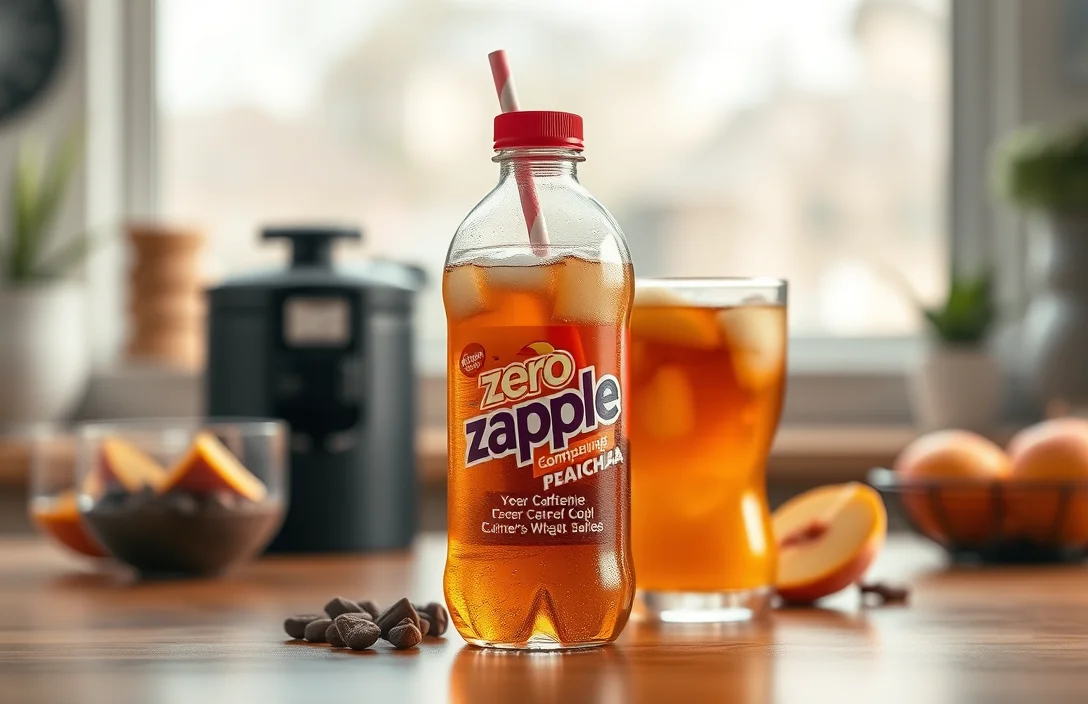
Peach tea lovers will be pleased to know that Zero Sugar Snapple Peach Tea contains only 30 milligrams of caffeine per 16-ounce bottle. This amount is significantly lower than many caffeinated beverages, making it a refreshing option for those mindful of their caffeine intake.
In summary, Zero Sugar Snapple Peach Tea has 30 mg of caffeine per 16 oz. It’s a light choice for hydration without the high caffeine levels found in coffee or energy drinks.
Caffeine Content Overview of Snapple Peach Tea
Zero Sugar Snapple Peach Tea contains 0 mg of caffeine per 16 fl oz serving. Unlike traditional Snapple Peach Tea, which includes caffeine, the zero-sugar version is crafted to be completely caffeine-free. This makes it an excellent option for individuals looking to cut down on their caffeine intake.
Many consumers appreciate this formulation, particularly those sensitive to caffeine or avoiding stimulants altogether. By eliminating caffeine, this beverage provides a refreshing flavor without the potential side effects associated with caffeine consumption, such as jitters or insomnia.
Nutrition labels confirm that the absence of caffeine contributes to the appeal of this beverage for health-conscious individuals. While enjoying the rich peach flavor, drinkers can feel assured they are opting for a beverage that aligns with their dietary preferences.
Choosing beverages without caffeine can be beneficial at any time of day, especially for late-night hydration. Zero Sugar Snapple Peach Tea serves as a flavorful alternative to other drinks that may disrupt sleep patterns due to caffeine content.
Ingredients List for Zero Sugar Snapple Peach Tea
Caffeine primarily comes from the tea leaves used in Snapple Peach Tea. In zero sugar varieties, brewed black tea serves as the base, naturally providing caffeine content. This specific ingredient is key for flavor and energy, appealing to consumers looking for a refreshing beverage without added sugars.
Peach flavoring enhances the overall taste experience. Natural peach extracts combined with other flavorings contribute to the sweet, fruity profile without the need for sugar. Each sip delivers a pleasant taste that masks any bitterness from the tea.
Citric acid plays a crucial role in balancing flavors. It adds a slight tartness, enhancing the peach flavor while integrating seamlessly with the tea. This ingredient helps maintain freshness and stability, ensuring a consistent taste across batches.
Natural flavors are included as well. These components are derived from various sources and are used to enhance the overall profile of the drink. They contribute to the aromatic and taste experience, allowing consumers to enjoy the essence of peach without sugar.
Preservatives maintain the product’s shelf life. Ingredients like potassium sorbate help prevent spoilage, ensuring that the beverage remains fresh for an extended period. This aspect is crucial for consumers who appreciate convenience and longevity in their beverages.
Health Effects of Caffeine in Beverages
Consuming caffeine impacts energy levels significantly. Most people report increased alertness and concentration after intake, which can enhance productivity. This boost is particularly beneficial during tasks requiring mental focus. However, moderation is key to avoid potential pitfalls associated with excessive caffeine consumption.
Research indicates that caffeine can elevate heart rate and blood pressure temporarily. Individuals with pre-existing heart conditions should monitor their intake closely. While moderate consumption is generally safe for most people, those sensitive to stimulants might experience adverse effects, including jitteriness and anxiety.
Long-term consumption of caffeine can lead to tolerance. Over time, regular users may find they need more caffeine to achieve the same effects. This gradual increase can lead to dependency, making it essential to be mindful of overall caffeine intake, especially in beverages like zero sugar Snapple peach tea.
Withdrawal symptoms can occur after sudden cessation of caffeine. Common issues include headaches, fatigue, and irritability. Individuals who regularly consume caffeine may want to consider tapering off gradually if they decide to reduce their intake, thereby minimizing discomfort during the transition.
Differences Between Zero Sugar and Regular Sugar Options
Caffeine levels in beverages vary significantly between sugar-laden and zero-sugar options. Snapple’s zero sugar peach tea generally contains caffeine levels similar to its regular counterpart. However, the absence of sugar does not directly influence the caffeine content itself.
- Caffeine content remains constant regardless. Both regular and zero sugar Snapple peach tea maintain the same caffeine concentration, which is about 42 milligrams per 16-ounce bottle.
- Flavor profiles can differ slightly. While caffeine levels stay the same, the taste may be perceived differently due to the absence of sugar, which can enhance sweetness and mask bitterness.
- Health implications may vary. Zero sugar options can be more appealing for those monitoring sugar intake or managing diabetes, yet the caffeine remains unchanged and contributes to similar stimulating effects.
- Labeling can be misleading. Always check the nutrition facts, as some zero-sugar drinks might include additives that affect flavor without altering caffeine levels.
- Personal preference plays a crucial role. Taste and dietary needs will influence whether consumers choose zero sugar or regular options. Assess individual tolerance to caffeine when making a choice.
Serving Size Impact on Caffeine Levels
Serving size significantly affects caffeine intake from beverages like zero sugar Snapple peach tea. The larger the serving, the more caffeine you consume. Snapple typically provides a caffeine content per serving, which helps you gauge how much you’re taking in based on your chosen size.
- Caffeine content varies by size. Each 16 oz serving of zero sugar Snapple peach tea contains about 30 mg of caffeine. If you drink a larger 32 oz size, you double your intake to 60 mg.
- Portion control matters. If you want to limit caffeine consumption, opt for smaller servings. Consider enjoying a 12 oz serving instead to reduce your intake to approximately 22.5 mg.
- Serving frequency impacts overall consumption. If you consume multiple servings throughout the day, the cumulative caffeine can add up quickly. Be mindful of how many servings you drink to manage your total intake effectively.
- Mixing beverages affects caffeine levels. If you drink Snapple alongside other caffeinated drinks, consider the total caffeine content to avoid exceeding recommended daily limits.
Evaluating your portion sizes and frequency of consumption can help you manage caffeine intake effectively. This approach ensures you enjoy your beverage without unintended consequences.
Caffeine Levels in Other Snapple Flavors
Snapple offers a variety of flavors, each with distinct caffeine levels. For instance, Snapple Lemon Tea contains approximately 30 mg of caffeine per 16 oz serving. If you’re looking for more caffeine, consider Snapple Diet Peach Tea, which provides a similar 30 mg per serving, like its non-diet counterpart.
Comparatively, Snapple Mango Tea has around 28 mg of caffeine, making it a slightly lower option. For those who prefer a refreshing fruit flavor, Snapple Strawberry Kiwi contains no caffeine, making it a perfect choice for caffeine-sensitive individuals.
Exploring other options, Snapple Green Tea features about 25 mg of caffeine, providing a lighter alternative for green tea enthusiasts. If you seek a boost, Snapple’s Black Tea has about 47 mg of caffeine, higher than most fruit flavors.
Ultimately, understanding caffeine content across different Snapple flavors can help you make informed choices. While zero sugar Snapple Peach Tea has specific caffeine levels, knowing other flavors available allows for tailored selections based on your caffeine preference.
Quick Summary
- Zero Sugar Snapple Peach Tea contains approximately 30 mg of caffeine per 8 oz serving.
- The beverage is sugar-free, making it a low-calorie option for tea lovers.
- It provides a refreshing peach flavor without the added sugars found in regular Snapple products.
- Ideal for those looking to limit sugar intake while still enjoying a flavored tea.
- It can be consumed as a part of a balanced diet for a caffeine boost.
- Snapple offers a variety of other flavors, though caffeine content may vary.
- Check the packaging for specific nutritional information and serving sizes.
Frequently Asked Questions
How much caffeine is in Zero Sugar Snapple Peach Tea?
Zero Sugar Snapple Peach Tea contains approximately 30 mg of caffeine per 16 fl oz bottle. This amount is relatively low compared to a standard cup of coffee, making it a mild choice for caffeine-sensitive individuals.
Is Zero Sugar Snapple Peach Tea suitable for children?
While Zero Sugar Snapple Peach Tea contains a low amount of caffeine, it is still advisable to limit caffeine intake for children. Always consult with a pediatrician if you have concerns about your child’s caffeine consumption.
Does Zero Sugar Snapple Peach Tea contain any calories?
As the name suggests, Zero Sugar Snapple Peach Tea is calorie-free. It is sweetened with artificial sweeteners, making it a popular choice for those seeking a low-calorie beverage option.
Can I drink Zero Sugar Snapple Peach Tea if I’m sensitive to caffeine?
If you are sensitive to caffeine, you may want to limit your intake of Zero Sugar Snapple Peach Tea. Each bottle contains 30 mg of caffeine, which might affect some individuals depending on their tolerance levels.
Are there any health benefits to drinking Zero Sugar Snapple Peach Tea?
Zero Sugar Snapple Peach Tea offers hydration without added sugars and calories, making it a refreshing alternative to sugary drinks. However, moderation is key, and it is best enjoyed as part of a balanced diet.

- Unlocking the Venti: Discover the Perfect Shot Count for Your Drink - October 13, 2026
- Unpacking the Buzz: Caffeine Levels in Café Bustelo Espresso - October 13, 2026
- How to Fix Bitter Coffee: 10 Expert Ways to Improve the Taste - October 4, 2026