
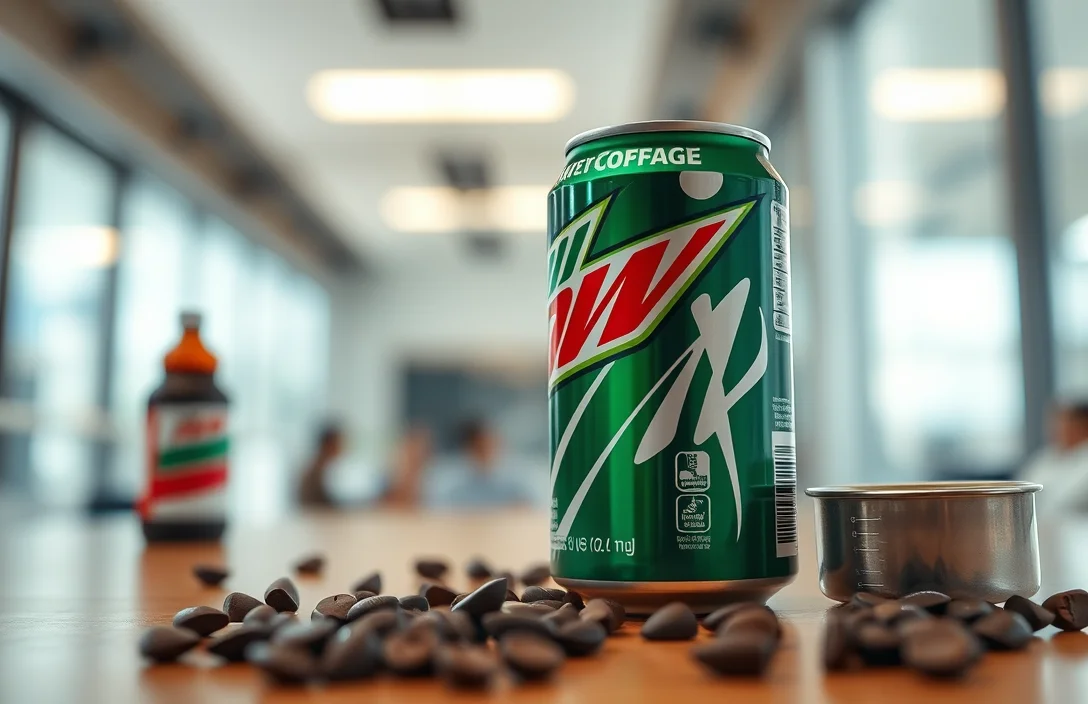
Mountain Dew Voltage contains 91 milligrams of caffeine per 12-ounce serving, making it a popular choice for those seeking an energy boost. This unique flavor combines the classic citrus taste with a hint of raspberry, appealing to many soda enthusiasts.
Notably, Mountain Dew Voltage has more caffeine than regular Mountain Dew, which contains 54 milligrams in the same serving size. If you’re looking for an energizing drink, Voltage provides a significant caffeine kick without the extra calories of energy drinks.
Caffeine Amount in Mountain Dew Voltage
Caffeine content in Mountain Dew Voltage stands at 91 milligrams per 12-ounce serving. This amount provides a noticeable energy boost, appealing to those who enjoy a refreshing, citrus-flavored beverage while seeking alertness. The caffeine level is higher than many standard sodas, making it a popular choice for energy-conscious consumers.
Compared to other similar drinks, Mountain Dew Voltage offers a competitive caffeine punch. For example, traditional Mountain Dew contains about 54 milligrams per 12 ounces. This difference highlights why many prefer Voltage for its enhanced energy effects, especially during long activities or when needing extra focus.
Measurements indicate that caffeine affects individuals differently, depending on their tolerance and sensitivity. A typical adult can safely consume around 400 milligrams of caffeine daily, which means enjoying several servings of Voltage remains within safe limits. Always stay mindful of your overall caffeine consumption to avoid potential side effects.
Energy levels can fluctuate significantly based on personal factors including metabolism and overall health. Monitoring how your body reacts to caffeine can help tailor your consumption effectively. Enjoying Mountain Dew Voltage in moderation can contribute to an energized lifestyle without overwhelming your system.
Comparative Caffeine Levels of Popular Beverages
Caffeine content varies significantly among popular beverages, influencing consumer choices. Mountain Dew Voltage contains approximately 91 mg of caffeine per 20 oz serving. In comparison, other drinks offer different levels, which may suit various preferences and needs.
Coffee typically has the highest caffeine concentration, with an average of 95 mg per 8 oz. Energy drinks often follow, with brands like Red Bull providing around 80 mg per 8.4 oz. Soft drinks, like Coca-Cola, generally contain much less, averaging around 34 mg per 12 oz.
| Beverage | Caffeine (mg) | Serving Size |
|---|---|---|
| Mountain Dew Voltage | 91 | 20 oz |
| Coffee | 95 | 8 oz |
| Red Bull | 80 | 8.4 oz |
| Coca-Cola | 34 | 12 oz |
Comparing these beverages highlights the moderate caffeine level in Mountain Dew Voltage, positioned between energy drinks and traditional soft drinks. Knowing these comparisons helps consumers make informed decisions about their caffeine intake.
Effects of Caffeine on Energy Levels
Caffeine increases alertness and energy significantly. Consuming beverages like Mountain Dew Voltage can provide a noticeable boost due to their caffeine content. Typically, one 12-ounce serving contains approximately 72 mg of caffeine, which is enough to enhance concentration and reduce fatigue for many individuals.
Research shows caffeine stimulates the central nervous system. This stimulation leads to heightened focus and reduces the perception of effort during physical activities. Many people report feeling more energized and capable of tackling demanding tasks after consuming caffeinated drinks.
Energy levels can vary based on individual tolerance. Some may experience jitters or anxiety after higher doses, while others might thrive on caffeine without adverse effects. Knowing personal limits is crucial for maximizing the benefits without discomfort.
Regular consumption can lead to caffeine dependence. As tolerance builds, more caffeine may be needed to achieve the same energy-boosting effects. Monitoring intake is essential to maintain desired energy levels without escalating consumption.
Incorporating caffeine strategically can enhance productivity. Consuming it during peak hours of work or study can lead to improved performance. For those considering caffeine in their diet, understanding its effects is vital for achieving optimal energy and alertness.
Ingredients Contributing to Caffeine Content
Caffeine levels in Mountain Dew Voltage primarily arise from its core ingredients. Key elements include carbonated water, high fructose corn syrup, and natural flavors. While the beverage contains several components, the caffeine itself is added directly to enhance the drink’s energizing properties.
Natural flavors play a significant role in the overall taste without contributing to caffeine levels. These flavors help to mask the bitterness of caffeine, allowing for a smoother drinking experience. They do not affect the caffeine content but enhance the overall appeal of the beverage.
High fructose corn syrup serves as a sweetener, contributing to the drink’s taste and aiding in the overall enjoyment. Although it does not contain caffeine, its sweetness can mask the effects of caffeine, making the beverage more palatable and enjoyable for consumers.
Other ingredients, such as citric acid and sodium benzoate, are included for flavor balance and preservation. While these additives do not influence caffeine levels, they help maintain the beverage’s freshness and stability, ensuring a consistent taste experience.
In summary, Mountain Dew Voltage’s caffeine content comes primarily from the direct addition of caffeine, while other ingredients contribute to the overall flavor and enjoyment without affecting the caffeine concentration.
Nutrition Facts and Caffeine Contribution
Caffeine plays a significant role in Mountain Dew Voltage, contributing to its energizing effect. Each 12-ounce can contains approximately 90 milligrams of caffeine, which is higher than many other sodas. This amount provides a noticeable boost in alertness and energy, making it a popular choice among consumers seeking stimulation.
Caffeine content varies across beverages, and understanding these differences can help consumers make informed choices. Mountain Dew Voltage’s caffeine level is comparable to that found in a cup of brewed coffee, offering a similar energy kick. For those who enjoy the taste of soda but want the benefits of caffeine, this drink presents an appealing option.
Regular consumption of caffeinated beverages like Mountain Dew Voltage can lead to increased tolerance over time. As tolerance builds, individuals may require more caffeine to achieve the same energizing effects. Monitoring intake can help maintain the desired level of alertness without excessive consumption.
Awareness of caffeine’s role extends beyond just energy levels. Consumers should consider their overall caffeine intake from all sources, including snacks, energy drinks, and coffee. Balancing consumption helps ensure that caffeine remains a beneficial part of one’s diet rather than leading to unwanted side effects.
Caffeine Sensitivity and Its Effects on Consumers
Individuals react differently to caffeine based on genetic factors, tolerance levels, and overall health. Sensitivity to caffeine can determine how much one enjoys beverages like Mountain Dew Voltage. Awareness of personal limits is crucial for managing intake effectively.
- Sensitivity varies significantly between people. Genetics plays a key role in how quickly caffeine is metabolized, influencing energy levels and side effects.
- Tolerance develops over time. Regular consumers of caffeine may find they need higher amounts to achieve the same energizing effects, leading to potential overconsumption.
- Excessive intake can cause adverse reactions. Symptoms like jitteriness, anxiety, or insomnia may arise from consuming too much caffeine, particularly for sensitive individuals.
- Health conditions impact reactions. Those with anxiety disorders or heart conditions should monitor caffeine consumption more closely to avoid unwanted effects.
- Personal experimentation helps determine limits. Keeping a diary of how different amounts affect your mood and energy can clarify your unique sensitivity to caffeine.
Health Considerations Regarding Caffeine Consumption
Moderation remains critical for caffeine intake. Excessive consumption can lead to various health issues, including insomnia, increased heart rate, and anxiety. Each serving of Mountain Dew Voltage contains a significant amount of caffeine, and understanding personal limits is essential for maintaining overall health.
Awareness of individual tolerance levels is vital. Some people metabolize caffeine quickly, while others may experience adverse effects even with minimal consumption. Monitoring how your body reacts after consuming this beverage can provide insights into your personal caffeine threshold.
Consulting a healthcare professional is advisable for those with pre-existing conditions. Individuals with heart problems, anxiety disorders, or gastrointestinal issues should seek guidance regarding caffeine consumption. Specific medical advice can help to mitigate potential risks while enjoying caffeinated beverages.
Balancing caffeine intake with hydration is crucial. Caffeine can act as a diuretic, potentially leading to dehydration. Drinking water alongside Mountain Dew Voltage can help maintain hydration levels and reduce any negative effects associated with caffeine.
Being mindful of timing can affect sleep quality. Consuming caffeine later in the day can interfere with your ability to fall asleep. Planning your caffeine consumption around your daily schedule can enhance both energy levels and sleep hygiene.
Quick Summary
- Mountain Dew Voltage contains approximately 91 mg of caffeine per 12 oz serving.
- It is considered a moderate caffeine beverage compared to other sodas.
- The caffeine content can vary slightly based on the specific production batch.
- Voltage is known for its distinctive flavor, combining citrus with a hint of raspberry.
- It is marketed as a “energizing” drink, appealing to consumers looking for a boost.
- Moderation is key, as excessive caffeine intake can lead to health issues.
- Other Mountain Dew flavors have different caffeine levels, making Voltage unique in its category.
Frequently Asked Questions
How much caffeine is in Mountain Dew Voltage?
Mountain Dew Voltage contains approximately 54 mg of caffeine per 12 fl oz (355 ml) serving. This amount is similar to other sodas in the Mountain Dew lineup.
Is Mountain Dew Voltage suitable for children?
While Mountain Dew Voltage is not specifically marketed to children, it contains caffeine and sugar, which may not be ideal for young consumers. It’s best for parents to monitor their children’s caffeine intake.
How does the caffeine content of Mountain Dew Voltage compare to coffee?
Mountain Dew Voltage has significantly less caffeine than a typical cup of coffee. An average 8 oz (240 ml) cup of brewed coffee contains about 95 mg of caffeine, making it stronger in comparison.
Can I drink Mountain Dew Voltage while pregnant?
Pregnant individuals are often advised to limit their caffeine intake. It’s recommended to consult with a healthcare provider about the safety of consuming caffeinated beverages like Mountain Dew Voltage during pregnancy.
Does Mountain Dew Voltage have any health benefits?
Mountain Dew Voltage, like other sodas, is primarily a sugary beverage with caffeine, and it does not offer significant health benefits. Moderation is key, and it’s best enjoyed as an occasional treat rather than a regular part of a healthy diet.

- Unlocking the Venti: Discover the Perfect Shot Count for Your Drink - October 13, 2026
- Unpacking the Buzz: Caffeine Levels in Café Bustelo Espresso - October 13, 2026
- How to Fix Bitter Coffee: 10 Expert Ways to Improve the Taste - October 4, 2026