
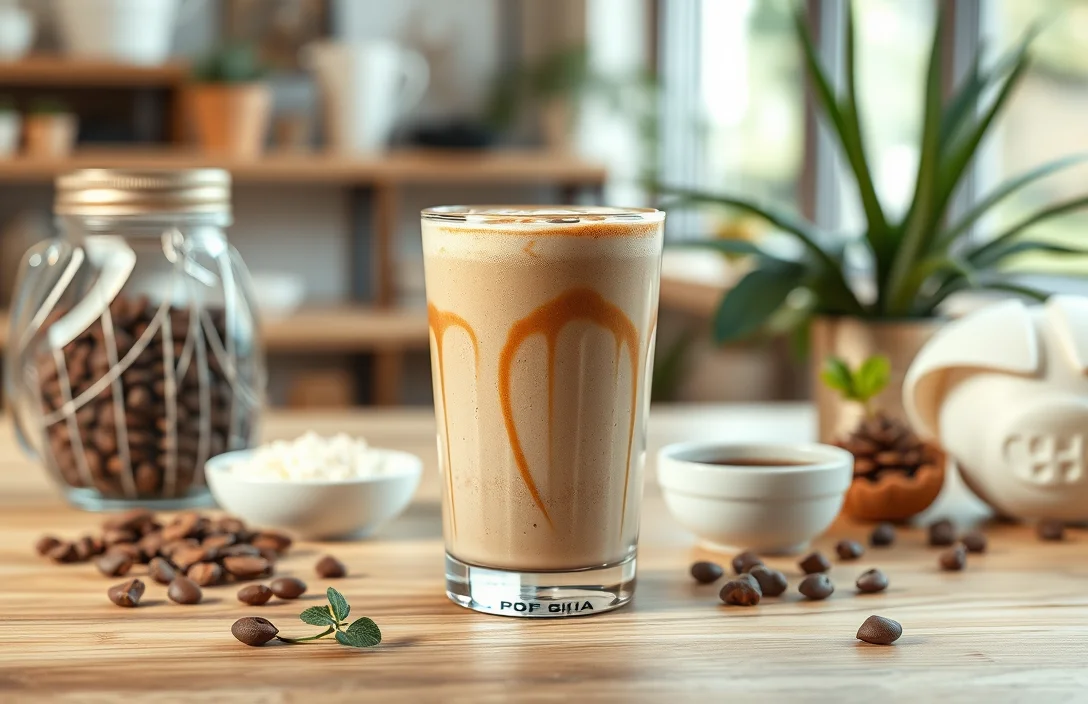
Most Jamocha shakes contain around 60-90 milligrams of caffeine per serving, depending on the recipe. This amount is comparable to a cup of brewed coffee, making them a flavorful yet caffeinated choice for coffee enthusiasts seeking a delicious beverage on the go.
Curious consumers should note that caffeine levels vary by brand and preparation. Jamocha shakes typically feature coffee as a key ingredient, contributing to their overall caffeine content. Always check specific brands for precise information.
Ingredients of Jamocha Shake
Jamocha shakes typically combine coffee, chocolate, and creamy ice cream. These key ingredients create a delightful flavor profile, appealing to those who enjoy both coffee and dessert. The shake generally features coffee as its primary source of flavor, leading to questions about caffeine content.
Chocolate syrup often enhances the sweetness and richness of the shake. While chocolate contains some caffeine, the amount is usually lower compared to coffee. Ice cream adds creaminess and texture, but it doesn’t contribute to caffeine levels.
Overall, the primary source of caffeine in a Jamocha shake comes from the coffee itself. Depending on the size and type of coffee used, the caffeine content can vary significantly. Knowing the ingredients helps in understanding how much caffeine might be in your shake.
Caffeine Sources in Shakes
Coffee is the primary source of caffeine in a Jamocha shake. Typically, the shake combines coffee with chocolate and vanilla flavors, creating a delicious blend. The specific caffeine content depends on the type and amount of coffee used, which varies by recipe or brand. Understanding the coffee base is crucial for those monitoring their caffeine intake.
Espresso shots often provide a stronger caffeine kick compared to brewed coffee. If the shake includes espresso, that can significantly increase the total caffeine amount. Many cafes use espresso for its rich flavor, which can also affect how the drink tastes overall. Always inquire about the coffee type used if caffeine sensitivity is a concern.
Flavorings like chocolate syrup can also contribute to the overall experience of the shake. While chocolate contains some caffeine, the amount is usually much lower than what you’ll find in coffee. This means that the coffee component remains the dominant source of caffeine, shaping your decision based on your preferences and health goals.
Comparing Shake Caffeine Levels
Jamocha shakes typically contain caffeine due to their coffee base. Most recipes use brewed coffee or espresso, which contributes to the overall caffeine content. A standard serving usually has about 100 milligrams of caffeine, but this can vary based on the specific ingredients and preparation methods used.
Flavors play a significant role in the shake’s profile. If the shake includes chocolate or mocha flavoring, that can also add to the caffeine levels. Always check the ingredient list or ask your barista for precise information if you’re concerned about caffeine intake.
Monitoring your consumption is essential, especially if you’re sensitive to caffeine. If you’re trying to limit your intake, consider opting for smaller sizes or lighter variations of the shake. Some cafes offer decaffeinated options as well, which can help you enjoy the flavor without the jitters.
Ultimately, knowing the caffeine content of different beverages empowers you to make informed choices. Taking the time to ask about the specifics can help you find the perfect balance between flavor and your caffeine preferences. Enjoying your jamocha shake while being mindful of its caffeine can enhance your experience.
Health Effects of Caffeine
Caffeine can significantly affect your body, especially when consumed in shakes. Awareness of its impact helps in making informed choices. For those sensitive to caffeine, knowing the amount in your favorite beverages ensures a comfortable experience. Jamocha shakes typically contain caffeine due to their coffee base, which can lead to increased alertness and energy.
Many individuals may experience side effects from caffeine consumption. Common reactions include jitteriness, anxiety, or trouble sleeping, particularly if consumed later in the day. Monitoring your intake can help you enjoy your shakes without adverse effects. If you know you’re sensitive, consider limiting your consumption or switching to decaffeinated options.
Beverage choices can enhance your health journey. Opting for lower caffeine content when possible is beneficial, especially if you consume multiple caffeinated products throughout the day. Look for shakes that specifically mention their caffeine content, helping you make decisions aligned with your dietary preferences.
Recognizing your tolerance plays a crucial role in enjoying coffee-based shakes. If you notice negative effects from caffeine, consider pacing your consumption or exploring alternatives. Staying informed about caffeine levels can help you savor the flavor of your jamocha shake without compromising on your health goals.
Decaffeinated Alternatives Available
Many cafes now offer decaffeinated versions of popular shakes. If you’re concerned about caffeine while enjoying a jamocha shake, check if your local coffee shop provides a decaf option. These alternatives allow you to savor the rich flavors without the stimulating effects of caffeine.
Specialty coffee shops might blend decaffeinated coffee with chocolate and milk to create a delightful taste reminiscent of traditional jamocha shakes. Always ask baristas about their decaf options, as recipes can vary significantly between establishments.
Enjoying decaffeinated shakes means you can control your caffeine intake while still indulging in flavorful beverages. Many brands and cafes are now mindful of health-conscious consumers, making these options widely available and delicious.
Exploring different flavor combinations can also enhance your experience. Some cafes might offer added ingredients like vanilla or caramel to complement the decaf coffee, resulting in unique and satisfying shakes. Don’t hesitate to customize your order for a personalized treat!
Serving Size and Caffeine
Understanding serving size directly impacts caffeine content in your Jamocha Shake. Typically, a standard serving is about 16 ounces, which usually contains approximately 90-100 mg of caffeine. This amount is derived from the coffee blended into the shake, offering a delightful balance of flavor and energy.
Choosing a larger size increases caffeine intake. For instance, a 24-ounce shake can contain up to 150 mg of caffeine or more. If you’re sensitive to caffeine, being aware of these variations is essential for making informed choices while enjoying your beverage.
Monitoring your total caffeine consumption throughout the day is vital. If you consume other caffeinated products, such as coffee or energy drinks, consider how the Jamocha Shake fits into your overall intake. Staying within the recommended daily limit of 400 mg ensures you avoid potential side effects like jitters or insomnia.
Exploring options like half-caf or decaf versions can help manage caffeine levels. Some cafes offer these alternatives, allowing you to enjoy the flavor without the full caffeine kick. Always ask your barista about adjustments to tailor your shake to your preferences.
Popular Coffee Shake Variations
Exploring various coffee shake options enhances your beverage experience. Many cafes offer unique blends, such as mocha, caramel, and vanilla-infused shakes. These variations can significantly differ in caffeine content, so be mindful of your choice. If you’re looking for a lighter option, consider a shake made with cold brew coffee or espresso, as these typically have lower caffeine levels compared to traditional brewed coffee.
Notably, some coffee shakes incorporate flavors that mask the caffeine. For instance, chocolate or sweeteners can make the presence of caffeine less noticeable. If you’re sensitive to caffeine, opting for shakes that emphasize flavors like vanilla or fruit can be a wise choice. Always inquire about the ingredients to get an accurate idea of the caffeine content.
Experimenting with your favorite flavors can lead to discovering new favorites. Blending shakes with different bases, such as almond milk or coconut milk, can also affect the overall caffeine experience. Look for options labeled as “decaf” or “low-caffeine” if you want to enjoy the taste without the jolt.
Ultimately, making informed decisions about your coffee shake selection allows you to enjoy your beverages while managing caffeine intake. Pay attention to signs of caffeine sensitivity and adjust your choices accordingly. Enjoying flavors while being mindful of caffeine ensures a satisfying experience every time you order.
Quick Summary
- The Jamocha Shake contains caffeine due to the coffee flavoring used in the recipe.
- On average, a Jamocha Shake has about 20-30 mg of caffeine per serving.
- The caffeine content is lower than a standard cup of coffee, which typically has 95 mg or more.
- Individuals sensitive to caffeine should consider this amount when consuming the shake.
- Jamocha Shakes are popular for their rich flavor and creamy texture, enhanced by the coffee component.
- Availability may vary by location, and some places may offer caffeine-free options.
- Always check with the specific restaurant or establishment for exact caffeine content and nutritional information.
Frequently Asked Questions
Does a Jamocha Shake contain caffeine?
Yes, a Jamocha Shake does contain caffeine. The caffeine is primarily derived from the coffee flavoring used in the shake, which can vary by brand.
How much caffeine is in a Jamocha Shake?
The caffeine content in a Jamocha Shake typically ranges from 40 to 80 milligrams per serving, depending on the recipe and size. This is comparable to a standard cup of coffee, but it’s always best to check specifics if you’re concerned about your intake.
Can I enjoy a Jamocha Shake if I’m sensitive to caffeine?
If you are sensitive to caffeine, you may want to limit your intake of Jamocha Shakes. You can also consider asking for a smaller size or finding alternatives that do not contain coffee flavoring.
Are there caffeine-free alternatives to Jamocha Shakes?
Yes, many cafes offer alternatives or variations of shakes that do not contain caffeine. You can ask for a chocolate or vanilla shake instead, which typically does not have caffeine.
How does the caffeine in a Jamocha Shake compare to other coffee drinks?
The caffeine content in a Jamocha Shake is generally lower than that found in a standard cup of brewed coffee, which can contain around 95 milligrams per 8-ounce serving. However, it may be similar to some espresso-based drinks, so it’s important to consider your overall caffeine consumption throughout the day.

- Rocket R NINE ONE Edizione Speciale: Features and Buying Guide - October 25, 2026
- LUCCA A53 Mini V2 Espresso Machine: Features and Buying Guide - October 25, 2026
- Caffena Coffee Nuova Simonelli Appia Life 2GR Espresso Machine: Features and Buying Guide - October 25, 2026