
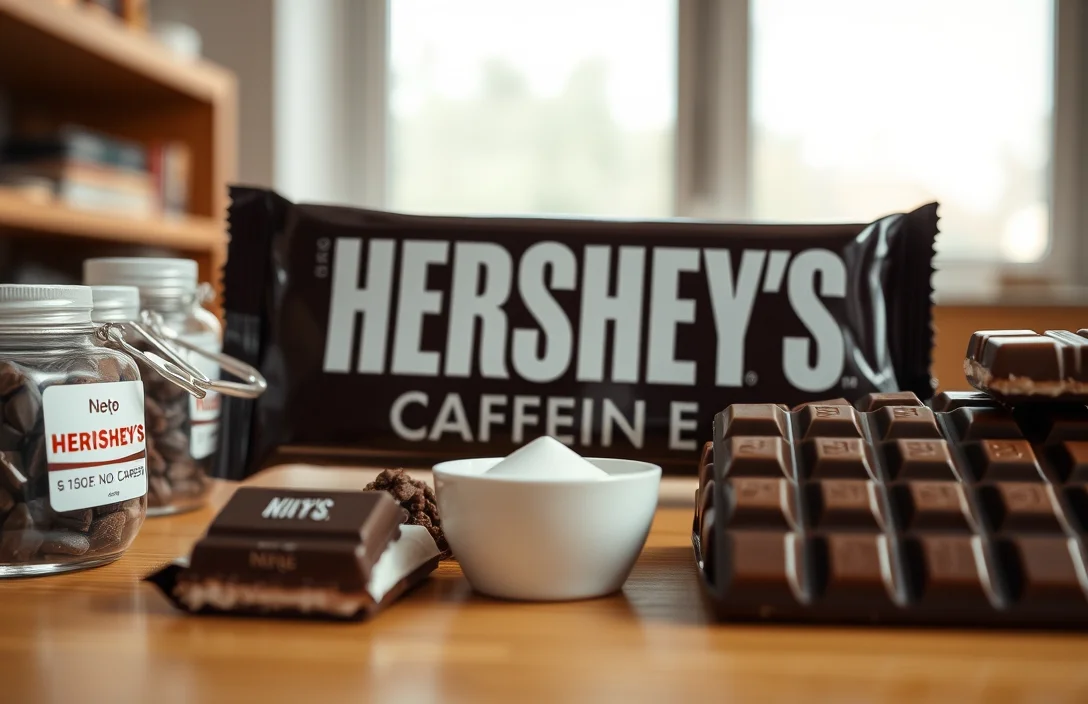
Hershey’s chocolate contains a minimal amount of caffeine, averaging about 9 milligrams per 1.55-ounce bar. This amount is significantly lower than that of a typical cup of coffee, which can have over 95 milligrams. Curious about how this affects your chocolate enjoyment?
Hershey’s chocolate does contain caffeine, but in small amounts. A standard bar has around 9 mg, while dark chocolate varieties can have more, sometimes reaching 30 mg or higher. Understanding these amounts can help you manage your caffeine intake.
Caffeine Content in Chocolate
Caffeine levels in chocolate vary significantly based on the type and cocoa content. Dark chocolate generally contains more caffeine than milk chocolate due to its higher cocoa percentage. For example, a typical serving of dark chocolate can have about 20 to 60 milligrams of caffeine, while milk chocolate usually ranges from 5 to 15 milligrams.
Research indicates that Hershey’s chocolate products contain relatively low amounts of caffeine. Hershey’s milk chocolate bar, for instance, has approximately 9 milligrams of caffeine per 1.55-ounce serving. Comparatively, their dark chocolate varieties have higher concentrations, but still less than what you would find in a cup of coffee.
Various factors influence the caffeine content in chocolate, including processing methods and ingredient variations. Chocolate with higher cocoa solids tends to retain more caffeine. Consequently, if you are sensitive to caffeine, selecting products with lower cocoa content may be beneficial.
Monitoring your intake is essential if you’re concerned about caffeine consumption. Keep in mind that while chocolate does contribute caffeine to your diet, the amounts in Hershey’s products are generally quite modest compared to other sources like coffee or energy drinks.
Hershey’s Product Lineup
Analyzing Hershey’s product lineup reveals essential insights about caffeine content. Some varieties contain minimal to no caffeine, while others, particularly those with higher cocoa percentages, may have more. Familiarizing yourself with specific products helps identify which ones are suitable for caffeine-sensitive individuals.
Milk Chocolate bars, for instance, generally contain lower caffeine levels due to their higher sugar and milk content compared to darker chocolates. Consumers can expect about 9 milligrams of caffeine in a standard 1.55-ounce bar. This amount is relatively low, especially compared to a cup of coffee.
Dark Chocolate options, including Hershey’s Special Dark, typically contain higher caffeine concentrations, ranging from 15 to 25 milligrams per serving. Recognizing this difference assists those who want to limit their caffeine intake while still enjoying chocolate treats.
Seasonal products like Hershey’s Kisses may have similar caffeine levels to their standard counterparts. Always check packaging or the Hershey’s website for specific product information, ensuring you make informed choices aligned with your caffeine preferences.
Dark vs Milk Chocolate
Dark chocolate generally contains more caffeine than milk chocolate. The higher cocoa content in dark varieties contributes to increased caffeine levels. For example, a typical 1-ounce serving of dark chocolate can have about 25 to 50 milligrams of caffeine, while the same amount of milk chocolate usually contains around 5 to 15 milligrams.
Chocolate varieties differ significantly in their cocoa percentages. Dark chocolate often boasts cocoa content ranging from 50% to 90%, while milk chocolate usually contains around 10% to 50%. This difference directly influences their caffeine levels, with dark chocolate providing a more robust flavor and higher caffeine concentration.
Consumers often prefer dark chocolate for its richer taste and potential health benefits. In addition to caffeine, dark chocolate is also richer in antioxidants compared to milk chocolate. This can make it a more attractive option for those looking for a treat with added health perks.
Chocolate type impacts not only caffeine content but also the overall experience. Milk chocolate tends to be creamier and sweeter, appealing to those who enjoy a milder flavor. In contrast, dark chocolate appeals to those seeking intensity and a more complex taste profile.
Caffeine Sensitivity Explained
Caffeine sensitivity varies significantly among individuals. Factors such as genetics, body weight, and tolerance levels influence how someone reacts to caffeine. People with high sensitivity may experience jitters or anxiety after consuming even small amounts, while others may not feel any effects from larger quantities.
Consumption patterns also play a crucial role. Regular caffeine consumers often develop a tolerance, meaning they require higher doses to achieve the same stimulating effects. In contrast, occasional users might experience heightened sensitivity, leading to stronger reactions even with moderate intake.
Age can impact caffeine sensitivity as well. Younger individuals often metabolize caffeine more quickly, resulting in less pronounced effects. Older adults may process caffeine slower, leading to increased sensitivity and potential side effects.
Dietary choices might further influence reactions. Foods rich in sugar or fat can enhance caffeine’s effects, causing heightened sensitivity. Additionally, hydration levels affect how caffeine is processed; dehydration can amplify side effects.
Understanding personal limits is crucial. Monitoring your body’s response to various chocolate types, such as Hershey’s, can help determine your optimal caffeine intake. Keeping a journal of your reactions can guide future consumption decisions.
Alternatives to Caffeinated Chocolate
Consider dark chocolate with lower caffeine. While Hershey’s products may contain caffeine, opting for dark chocolate varieties with less than 70% cocoa can help you enjoy a rich flavor without excessive stimulation. Brands like Green & Black’s or Endangered Species offer options that balance taste and caffeine content effectively.
Try cacao nibs for a natural alternative. These small pieces of crushed cacao beans provide a chocolate flavor without the added sugars or caffeine found in many chocolate bars. Sprinkle them on yogurt or mix them into smoothies for a nutritious boost.
Explore carob as a chocolate substitute. Carob powder, derived from the carob tree, offers a naturally sweet flavor without caffeine. Use it in baking or beverages to create satisfying treats that mimic chocolate’s taste without the jitters.
Investigate herbal teas as calming options. Many herbal teas, such as chamomile or peppermint, can provide a soothing experience without any caffeine. They serve as excellent alternatives for those wishing to avoid stimulants while still enjoying a warm beverage.
Consider caffeine-free chocolate brands. Several brands specialize in chocolate products made without caffeine, allowing you to indulge without worry. Look for labels that specifically state “caffeine-free” to ensure you’re making a safe choice.
Health Effects of Caffeine
Caffeine consumption can lead to various health effects, both positive and negative. Moderate intake, typically defined as 200 to 400 mg per day, may enhance alertness and improve mood. Many individuals find that caffeine helps them feel more energetic, boosting productivity and focus throughout the day.
Excessive caffeine intake, however, can cause adverse effects like anxiety, insomnia, and digestive issues. Consuming over 400 mg daily may lead to restlessness and increased heart rate. Individuals sensitive to caffeine should monitor their consumption closely to avoid these potential side effects.
Pregnant women and individuals with certain medical conditions should limit caffeine consumption. Research indicates that high levels of caffeine during pregnancy may lead to complications. Consulting a healthcare professional for personalized guidelines is advisable for this group.
Long-term use of caffeine can lead to dependency in some individuals, resulting in withdrawal symptoms like headaches and fatigue. Reducing caffeine intake gradually can mitigate these withdrawal effects. Recognizing how your body responds to caffeine is essential for managing its consumption effectively.
Maintaining awareness of caffeine content in food products, including chocolate, is crucial for those monitoring their intake. While Hershey’s products contain some caffeine, understanding your total daily consumption helps in making informed choices about your diet.
Hershey’s Ingredients and Labels
Check ingredient labels for caffeine. Hershey’s chocolate products generally contain little to no caffeine, particularly milk chocolate varieties. Dark chocolate options may have slightly higher levels, but they remain relatively low compared to coffee or energy drinks. Always review the packaging to verify caffeine content, especially if you are sensitive to it.
Focus on product types. Milk chocolate bars, like the classic Hershey’s bar, usually contain around 1-5 mg of caffeine. In contrast, dark chocolate varieties can range from 10-30 mg per serving, depending on cocoa content. Knowing the type of chocolate helps assess how much caffeine you might consume.
Evaluate serving sizes carefully. Portion sizes play a crucial role in caffeine intake. A standard serving of a Hershey’s bar is typically 1.55 ounces. If consuming multiple servings or combining with other chocolate products, be mindful of the cumulative caffeine effect.
Consider individual tolerance levels. People react differently to caffeine, influenced by factors like body weight, metabolism, and overall health. If you enjoy Hershey’s products but are concerned about caffeine, monitor how your body responds to different varieties and adjust accordingly.
Quick Summary
- Hershey’s chocolate products generally contain little to no caffeine.
- Milk chocolate has about 6 mg of caffeine per ounce, while dark chocolate can have more.
- Compared to coffee, which has around 95 mg of caffeine per 8 oz, Hershey’s chocolate is much lower in caffeine content.
- Hershey’s Kisses and bars are among the most popular products with minimal caffeine.
- White chocolate contains no caffeine, as it is made from cocoa butter and does not use cocoa solids.
- Individuals sensitive to caffeine should be aware of dark chocolate varieties that may contain higher levels.
- For precise caffeine content, always check the packaging of specific Hershey’s products.
Frequently Asked Questions
Does Hershey’s chocolate contain caffeine?
Yes, Hershey’s chocolate does contain caffeine, but the amount varies depending on the type. Dark chocolate generally has more caffeine than milk chocolate, with a typical serving of dark chocolate containing about 20-30 mg of caffeine.
How much caffeine is in a Hershey’s bar?
A standard 1.55 oz Hershey’s Milk Chocolate Bar contains approximately 9 mg of caffeine. In comparison, a 1.5 oz Hershey’s Special Dark Chocolate Bar contains around 30 mg of caffeine.
Is there caffeine in Hershey’s Kisses?
Yes, Hershey’s Kisses do contain caffeine, although the amount is relatively low. A single Hershey’s Kiss has about 1-2 mg of caffeine, making it a minimal contributor to your daily intake.
Can I find caffeine-free chocolate options from Hershey’s?
Yes, Hershey’s offers a few products that are caffeine-free, typically in their milk chocolate varieties. Always check the packaging to confirm that a specific product is labeled as caffeine-free.
How does the caffeine in Hershey’s chocolate compare to coffee?
The caffeine content in Hershey’s chocolate is significantly lower than that found in coffee. For reference, an 8 oz cup of brewed coffee typically contains about 95 mg of caffeine, which is much higher than any Hershey’s chocolate product.

- Unlocking the Venti: Discover the Perfect Shot Count for Your Drink - October 13, 2026
- Unpacking the Buzz: Caffeine Levels in Café Bustelo Espresso - October 13, 2026
- How to Fix Bitter Coffee: 10 Expert Ways to Improve the Taste - October 4, 2026