
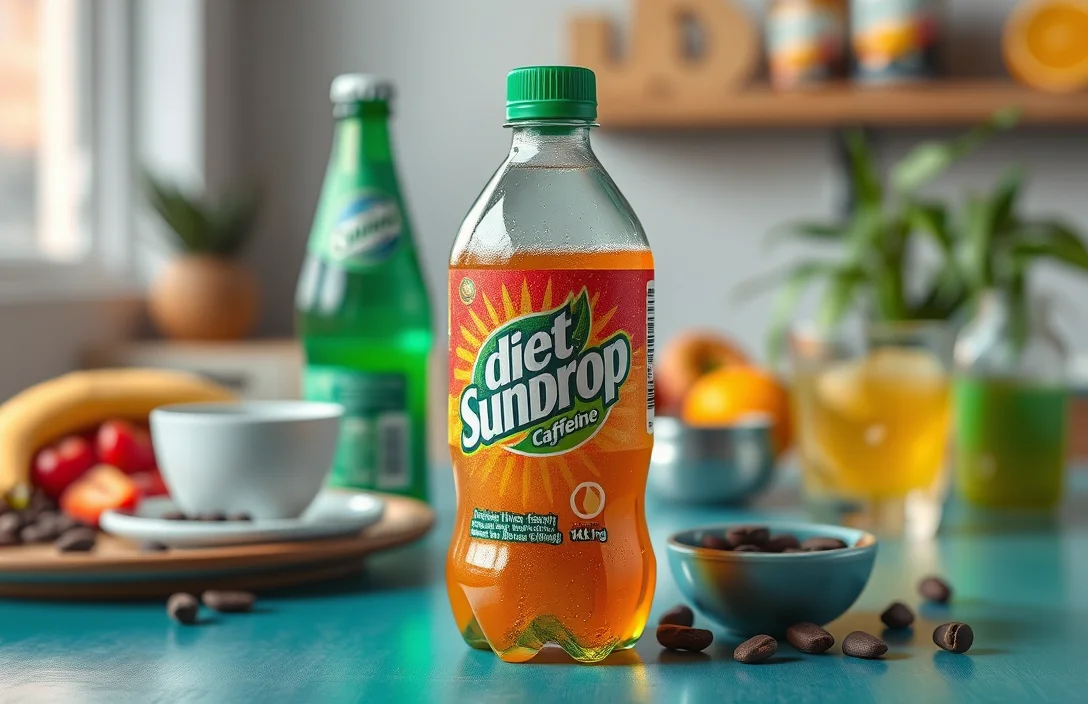
Diet Sundrop contains caffeine, specifically 41 mg per 12 oz serving, making it a notable choice for those monitoring their caffeine intake. This amount is lower than many sodas but still significant enough to impact your daily caffeine consumption.
Diet Sundrop does have caffeine, with 41 mg in a 12 oz can. It’s less than regular Sundrop but may still be relevant for caffeine-sensitive individuals or those monitoring their intake.
Caffeine Levels in Diet Sundrop
Diet Sundrop contains caffeine, but the amount is relatively low compared to other soft drinks. Specifically, a 12-ounce can has approximately 30 milligrams of caffeine. This level can mildly stimulate, making it a suitable option for those who want a refreshing beverage without excessive caffeine intake.
Research shows that many consumers prefer drinks with lower caffeine levels for various reasons, including sensitivity to caffeine or health considerations. Consequently, Diet Sundrop appeals to a broader audience seeking a flavorful soda that doesn’t deliver a high caffeine punch.
Comparatively, traditional colas often contain around 35-45 milligrams per 12-ounce can, placing Diet Sundrop on the lower spectrum of caffeine content. Individuals monitoring their caffeine consumption may find this beverage to be a reasonable choice.
Monitoring caffeine intake is essential for many, especially for those with underlying health conditions. Knowing that Diet Sundrop has a moderate caffeine level can help consumers make informed decisions about their beverage choices.
Ingredients of Diet Sundrop
Diet Sundrop primarily contains carbonated water, high fructose corn syrup, and natural flavors. These ingredients play a significant role in determining the beverage’s overall profile, including its caffeine content. Notably, the absence of coffee or tea extracts indicates minimal caffeine levels in this drink.
Citric acid contributes to the drink’s tangy taste while acting as a preservative. This component doesn’t affect caffeine levels but enhances the beverage’s flavor. The inclusion of aspartame provides a low-calorie sweetening option without additional caffeine.
Colors and flavoring agents are also present to create an appealing appearance and taste. These additives do not introduce caffeine, reaffirming the drink’s status as a caffeine-free option in the market. Consumers looking for refreshing beverages without caffeine can consider this product.
Overall, Diet Sundrop maintains a straightforward ingredient list devoid of caffeine sources, making it suitable for those who wish to avoid stimulants. With its combination of flavors and sweeteners, it aims to satisfy taste preferences without the jittery effects associated with caffeinated drinks.
Nutritional Information Overview
Diet Sundrop does not contain caffeine. Instead, it features a refreshing citrus flavor derived from its unique blend of ingredients. Consumers seeking a caffeine-free soft drink can enjoy it without worrying about the stimulating effects typical of caffeinated beverages.
Ingredients contribute to its overall appeal. Sweeteners like aspartame and acesulfame potassium provide sweetness without calories. These ingredients enhance the drink’s flavor while keeping it light and enjoyable for those monitoring their sugar intake or calorie consumption.
Flavor profile plays a significant role in its popularity. Many appreciate the tangy taste reminiscent of traditional citrus sodas but without the added caffeine. This aspect makes it suitable for various occasions, including family gatherings or as a refreshing afternoon treat.
Health-conscious individuals often prefer such options. Diet Sundrop caters to those desiring a fizzy beverage without the jitters or sleepless nights associated with caffeine. With its formulation, it serves as a great alternative for anyone looking to skip caffeine while enjoying a soda.
Comparing Diet Sundrop to Regular
Caffeine content distinguishes Diet Sundrop from its regular counterpart. Diet Sundrop contains caffeine, but the amount is significantly lower than in regular Sundrop. This lower caffeine level appeals to those seeking a milder option while still wanting some stimulation from their beverage. For caffeine-sensitive individuals, this makes Diet Sundrop a favorable choice.
Ingredients play a key role in determining the flavor and overall experience of Diet Sundrop. While regular Sundrop relies on a more traditional formula, the diet version incorporates artificial sweeteners and different flavoring agents. These changes can affect how one perceives the taste, making it distinct from the regular version while still retaining some of the original’s essence.
Health-conscious consumers often consider caffeine levels in their beverage choices. Diet Sundrop offers an alternative for those who want to limit their caffeine intake but still enjoy a refreshing soda. Monitoring your caffeine consumption becomes easier with options like Diet Sundrop, especially for those who may experience jitters or other side effects from higher caffeine levels.
Flavor preferences vary widely among individuals. While some may prefer the bold taste of regular Sundrop, others might find Diet Sundrop’s lighter flavor more appealing. Exploring both options allows consumers to find a balance between taste and caffeine content that suits their specific needs and preferences.
Health Effects of Caffeine
Caffeine can significantly affect the body, influencing both mental and physical health. While it may boost alertness and energy, excessive consumption leads to negative outcomes like anxiety, jitteriness, and insomnia. Understanding the balance is crucial for those consuming caffeinated beverages, including Diet Sundrop.
Regular intake impacts heart rate and blood pressure, especially for sensitive individuals. Elevated heart rates can occur even with moderate caffeine consumption, which poses risks for people with underlying cardiovascular issues. Monitoring your body’s response to caffeine is essential to avoid adverse effects.
Withdrawal symptoms can arise from sudden cessation of caffeine. Individuals might experience headaches, fatigue, and irritability if they stop consuming products containing caffeine abruptly. Gradually reducing intake can ease this transition and minimize discomfort.
Long-term consumption has been linked to both risks and benefits. Moderate caffeine intake might reduce the risk of certain diseases, such as Parkinson’s and Type 2 diabetes. Balancing the potential benefits with the adverse effects is key to making informed decisions about consumption.
Individual tolerance varies widely, meaning that what works for one person may not work for another. Pay attention to personal experiences and adjust caffeine intake accordingly. If you find that Diet Sundrop affects you negatively, consider reducing your consumption or switching to caffeine-free alternatives.
Diet Sundrop Flavor Profile
Citrus aroma and bright lemon zest dominate Diet Sundrop’s flavor profile, with a pronounced artificial sweetness from sucralose and acesulfame potassium that masks bitterness. Expect a crisp initial sip, light carbonation, thin mouthfeel, and a short, slightly metallic finish. Sip slowly and focus on the aftertaste to separate sweetener note from citrus oils.
Read the ingredient panel or manufacturer’s website to confirm caffeine presence and milligrams per serving; labels must list “caffeine” when present. If you still ask does diet sundrop have caffeine, contact Keurig Dr Pepper or check a photographed can online for precise numbers. Use that data to match your serving choice to personal caffeine limits.
Quick Summary
- Yes — Diet Sun Drop contains caffeine.
- The typical caffeine amount is roughly 60 mg per 12 fl oz can, though formulations can vary by country and package size.
- The diet version generally has a similar caffeine level to regular Sun Drop.
- This is higher than many colas and similar to or slightly higher than other citrus sodas.
- Always check the product label or the manufacturer’s website for the exact milligram amount and serving size.
- If you are sensitive to caffeine, pregnant, or giving it to children, consider the caffeine content and consult a healthcare provider if unsure.
Frequently Asked Questions
Does Diet Sundrop contain caffeine?
Yes, Diet Sundrop does contain caffeine. Specifically, it has about 63 mg of caffeine per 12 fl oz serving, which is similar to the caffeine content found in other diet sodas.
How does the caffeine in Diet Sundrop compare to regular Sundrop?
Regular Sundrop contains more caffeine than Diet Sundrop. A 12 fl oz serving of regular Sundrop has approximately 69 mg of caffeine, which is only slightly higher than its diet counterpart.
Is the caffeine level in Diet Sundrop safe for daily consumption?
For most people, the caffeine level in Diet Sundrop is considered safe for daily consumption. However, individuals sensitive to caffeine should monitor their intake, especially if consuming other caffeinated beverages.
Can I drink Diet Sundrop if I’m trying to avoid caffeine?
If you are trying to avoid caffeine, it is best to refrain from drinking Diet Sundrop as it does contain a moderate amount of caffeine. Consider looking for caffeine-free beverage options if you’re seeking alternatives.
What are the benefits of caffeine in Diet Sundrop?
Caffeine can provide a temporary energy boost and improve alertness. Some people enjoy the stimulating effects of caffeine, which can enhance their overall drinking experience with beverages like Diet Sundrop.

- Unlocking the Venti: Discover the Perfect Shot Count for Your Drink - October 13, 2026
- Unpacking the Buzz: Caffeine Levels in Café Bustelo Espresso - October 13, 2026
- How to Fix Bitter Coffee: 10 Expert Ways to Improve the Taste - October 4, 2026