
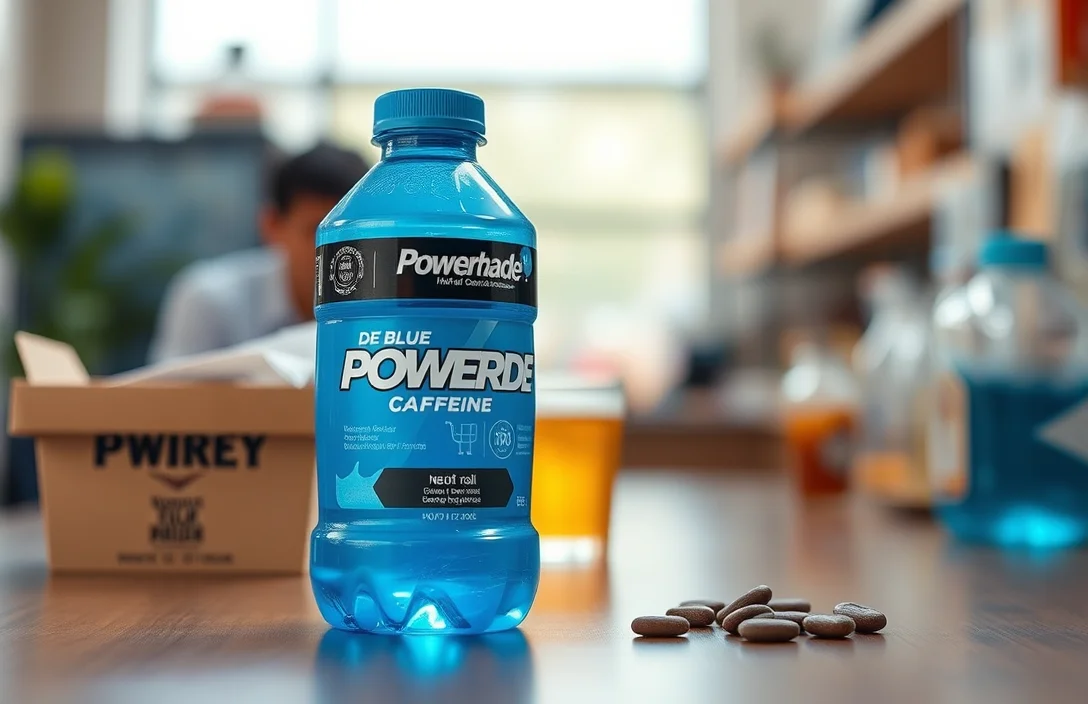
Surprisingly, blue Powerade contains no caffeine, making it an ideal choice for hydration without the jitters associated with caffeinated beverages. Many consumers mistakenly assume that all sports drinks have caffeine, but Powerade stands out in this regard.
Blue Powerade is caffeine-free, allowing for hydration without energy spikes. Ingredients include electrolytes and sugar, but caffeine is not present, making it safe for all ages.
Caffeine Presence in Sports Drinks
Sports drinks, including Blue Powerade, generally do not contain caffeine. Most brands focus on hydration and electrolyte replenishment rather than stimulant effects. This differentiates them from energy drinks, which often include caffeine to enhance performance and alertness.
Common ingredients in sports drinks include water, sugars, electrolytes, and flavorings. Caffeine is typically absent, as the primary goal is to support hydration during exercise. Athletes often prefer caffeine for its stimulating properties, but they might seek it from other sources.
Some sports drinks on the market do contain caffeine, but Blue Powerade is not one of them. This makes it suitable for hydration without the potential side effects associated with caffeine consumption, such as jitters or disrupted sleep patterns.
Consumers should always check labels to confirm caffeine content. Ingredients can vary by product line or flavor, so verifying specifics is crucial for those sensitive to caffeine or looking to avoid it entirely.
Ingredients List of Blue Powerade
Blue Powerade contains several key ingredients that contribute to its flavor and functionality. The primary components include water, high fructose corn syrup, sodium citrate, citric acid, electrolytes, and artificial colors. Notably, it lacks caffeine, which differentiates it from many energy drinks.
Water serves as the main base, ensuring hydration during physical activities. High fructose corn syrup adds sweetness, making the drink more palatable. Sodium citrate and citric acid play crucial roles in maintaining electrolyte balance and enhancing flavor, respectively.
Electrolytes, such as sodium and potassium, are essential for replenishing lost nutrients during exercise. Additionally, artificial colors enhance the visual appeal of the beverage. Despite its refreshing taste and energizing properties, Blue Powerade does not include caffeine, making it suitable for all ages and preferences.
Checking the nutritional label is essential for understanding beverage contents. Look for the absence of caffeine listed among ingredients. This characteristic makes Powerade an ideal choice for hydration without the stimulant effects typically associated with caffeine.
Comparison of Powerade Varieties
Most standard Powerade flavors contain no caffeine and are formulated as electrolyte-replacement sports drinks rather than stimulants; blue varieties sold as classic ION4-style or hydration-focused products list zero caffeine on nutrition facts, offering electrolytes, carbohydrates, and vitamins without the alertness effects associated with caffeinated beverages.
Check the ingredient list for caffeine before buying: products marketed as energy drinks or labeled explicitly will show “caffeine” and milligrams per serving; if you searched “does blue powerade have caffeine”, verify the exact flavor name and regional label because special energy versions or country-specific formulations can include added caffeine.
Caffeine’s Impact on Hydration
Athletes should limit caffeine near training sessions and replace fluids proactively to prevent net fluid loss. Aim to keep caffeine under 200 mg in the six hours around intense exercise and add 150–300 ml of water per 100 mg of caffeine consumed. Track weight pre/post workout to confirm hydration status and adjust fluid intake accordingly.
- Measure caffeine intake: log all sources and keep total below 200 mg within 6 hours before exercise; use an app or check labels for exact amounts.
- Check labels: if wondering does blue powerade have caffeine, read the ingredient panel and nutrition facts; most blue sports drinks are labeled caffeine-free, so choose accordingly.
- Monitor hydration: weigh yourself before and after training and replace every 0.5–1.0% bodyweight loss with 10–20 ml/kg within two hours while including electrolyte-containing fluids.
Powerade and Gatorade Caffeine Comparison
Powerade standard formulas contain no caffeine, including the common blue flavors; they’re designed as electrolyte replacement drinks, not stimulants. If you wonder does blue powerade have caffeine, the direct answer is no for regular Powerade. Watch for special “energy” or limited-edition versions which may add caffeine — those will state it on the label and nutrition panel.
Gatorade core lineup also lacks caffeine, matching Powerade for electrolyte-focused options. Be aware Gatorade sells caffeinated “energy” variants in some markets; those explicitly list milligrams per serving. Compare serving sizes, caffeine per bottle, and sugar content before choosing a caffeinated sports option.
Optimal Timing for Powerade Consumption
Maximizing the benefits of Powerade hinges on timing. Consuming it at strategic moments can enhance hydration and energy levels, particularly during physical activities. For optimal results, consider drinking this sports drink before, during, and after workouts to effectively replenish electrolytes and carbohydrates lost through sweat.
- Pre-Workout: Drink Powerade about 30 minutes before exercising. This allows your body to absorb electrolytes and carbohydrates, preparing you for optimal performance.
- During Activity: Sip Powerade every 15-20 minutes during intense workouts. Frequent intake maintains hydration and energy levels, helping you sustain endurance through prolonged activity.
- Post-Workout: Consume Powerade within 30 minutes after finishing exercise. This replenishes lost electrolytes and aids in muscle recovery, ensuring your body recovers effectively.
Following these guidelines will enhance your hydration strategy and improve your overall exercise performance. Remember, timing your intake is essential for maximizing the benefits of Powerade, especially if you’re concerned about caffeine levels in your drinks.
Quick Summary
- Blue Powerade does not contain caffeine.
- Powerade is primarily a sports drink designed for hydration and electrolyte replenishment.
- The main ingredients include water, high fructose corn syrup, citric acid, and electrolytes.
- Powerade is often consumed during or after physical activity to restore lost fluids and nutrients.
- For those seeking a caffeinated beverage, alternatives like energy drinks or coffee are recommended.
- Powerade comes in various flavors, including Blue Raspberry, but all flavors maintain a caffeine-free formula.
- Always check the label for ingredient information, as formulations may vary by region.
Frequently Asked Questions
Does Blue Powerade contain caffeine?
No, Blue Powerade does not contain caffeine. It is primarily designed as a sports drink to hydrate and replenish electrolytes without the added stimulant effects of caffeine.
What are the main ingredients in Blue Powerade?
The main ingredients in Blue Powerade include water, high fructose corn syrup, citric acid, electrolytes (such as sodium and potassium), and natural and artificial flavors. These ingredients work together to provide hydration and energy during physical activities.
Is Blue Powerade suitable for children?
Yes, Blue Powerade can be suitable for children, especially during sports and physical activities. However, it’s important to monitor their overall sugar intake, as sports drinks can be high in sugars.
How does Blue Powerade compare to energy drinks?
Blue Powerade is different from energy drinks as it focuses on hydration and electrolyte replenishment rather than providing energy boosts from caffeine or other stimulants. Energy drinks typically contain higher levels of caffeine and sugar, which can lead to different effects on the body.
Can I drink Blue Powerade daily?
While you can drink Blue Powerade daily, it’s best to do so in moderation. Regular consumption should be balanced with water intake, especially if you’re not engaging in intense physical activity, to avoid excessive sugar consumption.

- How to Fix Bitter Coffee: 10 Expert Ways to Improve the Taste - October 4, 2026
- Why Does My Coffee Taste Bad? 20 Common Problems and Fixes - October 4, 2026
- How to Get Better Crema With Café Bustelo Coffee - October 2, 2026