
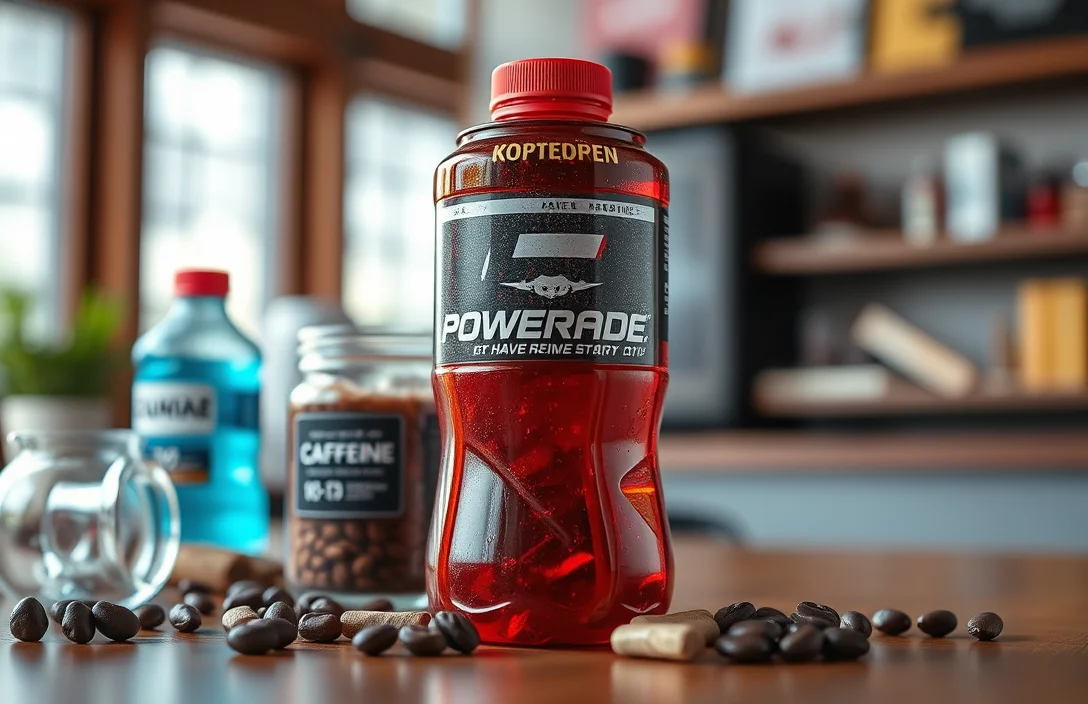
Surprisingly, Powerade does not contain caffeine in its standard formulations. Many sports drinks prioritize hydration over stimulation, making them ideal for athletes needing electrolyte replenishment without the jittery effects of caffeine. Understanding this can help consumers make informed choices about their hydration strategies.
Powerade is typically caffeine-free, focusing on electrolytes. Some limited edition flavors might have caffeine, but regular varieties do not contain any. Always check labels for specific ingredients if unsure.
Powerade Ingredients and Caffeine Status
Powerade’s formulation primarily consists of water, sugars, electrolytes, and flavoring agents. These ingredients aim to replenish fluids and provide energy during physical activity. Notably, the beverage is designed for hydration rather than stimulation, which leads to an important question about caffeine content.
Caffeine is not included in Powerade’s ingredient list. This means that the drink does not provide the stimulating effects associated with caffeinated beverages. Instead, it focuses on delivering hydration and replenishment without the added jitters or potential side effects of caffeine consumption.
Hydration-focused sports drinks like Powerade serve as an excellent choice for athletes and active individuals. They provide essential electrolytes, such as sodium and potassium, which help maintain fluid balance during exercise. The absence of caffeine ensures that users can hydrate without the risk of increased heart rates or anxiety.
Choosing Powerade for your hydration needs means enjoying a flavorful drink that supports physical performance without the influence of caffeine. This makes it suitable for various occasions, whether you’re working out, participating in sports, or simply needing to stay hydrated throughout the day.
Comparative Caffeine Content Analysis
Powerade contains no caffeine, making it distinct from many popular beverages. In contrast, sports drinks typically vary significantly in caffeine levels, which can influence consumer choices. Understanding this difference is crucial when selecting a drink for hydration or energy during sports or workouts.
Comparisons highlight that Powerade stands apart from other popular drinks. For instance, a standard 12-ounce serving of Coca-Cola contains approximately 34 mg of caffeine. In contrast, energy drinks can pack much more, with some brands exceeding 200 mg per serving. This substantial difference can impact athletes’ performance and hydration strategies during activities.
| Beverage | Caffeine Content (mg per 12 oz) |
| Coca-Cola | 34 |
| Pepsi | 38 |
| Monster Energy | 160 |
| Powerade | 0 |
Notably, sports drinks like Gatorade also contain zero caffeine, aligning with Powerade’s formulation. Both products focus on hydration and electrolyte replenishment without the stimulant effects of caffeine. This characteristic can be particularly appealing for individuals seeking to avoid added stimulants during exercise.
Powerade vs Gatorade Caffeine Comparison
Caffeine content significantly varies between Powerade and Gatorade. Powerade, typically, does not contain caffeine, making it a preferred choice for hydration without stimulants. In contrast, Gatorade also generally lacks caffeine but has introduced specific flavors and products that may contain it, particularly in their energy-focused lines. Consumers should check labels for specific caffeine information.
Comparing the two brands reveals that Gatorade has options catering to those seeking caffeine for an energy boost. While Powerade remains consistent with a caffeine-free formula, some Gatorade products like Gatorade Endurance may contain caffeine, appealing to athletes needing extra stimulation. Always verify the product’s nutritional label for precise information.
Evaluating personal hydration needs helps determine the right choice. For those avoiding caffeine, Powerade is an excellent option. Conversely, if caffeine intake is desired, Gatorade offers specific products that meet that requirement. Understanding individual preferences and goals informs which drink aligns better with your hydration strategy.
Electrolyte Benefits in Sports Drinks
Electrolytes play a critical role in hydration and athletic performance. These minerals, such as sodium, potassium, and magnesium, help maintain fluid balance in the body, which is essential during physical activity. Proper electrolyte levels prevent dehydration, cramping, and fatigue, allowing athletes to perform at their best.
Maintaining electrolyte balance supports muscle function. Sodium helps regulate fluid balance, while potassium assists in muscle contractions. Both minerals work together to ensure that muscles function optimally, reducing the risk of cramps and muscle fatigue during intense workouts.
Replenishing electrolytes becomes even more crucial during prolonged exercise. As athletes sweat, they lose valuable minerals, leading to potential dehydration and decreased performance. Consuming sports drinks like Powerade, which contain electrolytes, can help restore these essential nutrients and support endurance.
Choosing the right balance of electrolytes can enhance recovery. After exercise, replenishing lost minerals aids in faster recovery and reduces soreness. This is particularly important for athletes engaging in multiple training sessions or competitions within a short timeframe.
Incorporating electrolyte-rich drinks into a hydration plan is advisable. Whether it’s during or after exercise, these drinks provide a quick and effective way to ensure adequate hydration and maintain performance levels, irrespective of caffeine content. Being mindful of electrolyte intake can lead to better overall athletic performance.
Caffeinated Alternatives to Powerade
Energy drinks serve as a popular substitute for athletes seeking caffeine. Brands like Red Bull, Monster, and Rockstar offer significant caffeine content along with electrolytes. These drinks can provide a quick energy boost while replenishing essential nutrients lost during intense physical activity. Always check labels for specific caffeine amounts before consumption.
Sports coffee blends are gaining traction among active individuals. Brands like RISE Brewing Co. and High Brew Coffee produce ready-to-drink coffee beverages that combine caffeine with hydration benefits. Opting for cold brew or nitro coffee can deliver sustained energy without the crash associated with traditional energy drinks.
Tea also presents an excellent caffeinated option for hydration. Green tea, black tea, and matcha provide natural caffeine alongside antioxidants. Preparing iced tea or using tea bags in water bottles can create a refreshing beverage during workouts, keeping you both energized and hydrated.
Homemade caffeinated drinks offer customization and control over ingredients. Mixing brewed coffee, coconut water, and a pinch of salt can create an effective electrolyte drink enriched with caffeine. This approach allows you to tailor flavors and caffeine levels according to personal preference.
Caffeine Impact on Hydration Levels
Caffeine consumption can influence hydration status, especially in athletes. Research indicates that caffeine, found in various beverages, may act as a mild diuretic. This effect prompts increased urination, potentially leading to fluid loss. Understanding how this impact interacts with hydration is crucial for performance optimization.
- Caffeine may lead to fluid loss. Athletes should monitor their hydration closely when consuming caffeinated products to ensure they maintain adequate fluid levels.
- Incorporating non-caffeinated hydration options is advisable. Drinking water or electrolyte-rich beverages can help counteract any potential dehydrating effects from caffeine.
- Timing of caffeine intake matters. Consuming caffeine before or during workouts can enhance performance, but athletes should balance it with hydration needs.
- Individual responses to caffeine vary. Some athletes may tolerate caffeine well, while others might experience increased dehydration. Personal experimentation can help determine the right balance.
- Hydration strategies should include caffeine awareness. Athletes need to consider their total fluid intake, including any caffeinated beverages, to optimize performance and recovery.
Consumer Preferences for Caffeinated Sports Drinks
Preference trends indicate that many consumers seek caffeinated options in sports drinks like Powerade. These beverages appeal particularly to athletes and fitness enthusiasts looking for an added energy boost during workouts. The combination of hydration and caffeine is often cited as beneficial for performance and endurance.
Surveys reveal a significant number of consumers prioritize caffeine content when selecting sports drinks. Many individuals associate caffeine with improved focus and energy, which can enhance exercise effectiveness. This growing demand highlights the importance of clear labeling regarding caffeine levels in products.
Market analysis shows that flavors and ingredients also play a crucial role in consumer choices. Varieties offering natural ingredients alongside caffeine tend to attract health-conscious buyers. Additionally, brands that successfully combine taste with energizing effects often gain a competitive edge in the market.
Feedback from athletes consistently indicates that transparency about caffeine content influences purchase decisions. Brands like Powerade that provide clear information about their formulations can build trust and attract a loyal customer base. Engaging with consumers through social media can further refine offerings based on preferences and feedback.
Quick Summary
- Most standard Powerade varieties are caffeine-free; the core line is formulated for hydration and electrolyte replenishment, not stimulation.
- Some specialized or region-specific Powerade products (or limited “energy” versions) may contain caffeine—these are exceptions, not the rule.
- Always check the product label or nutrition facts panel for “caffeine” or ingredient listings if you need to be sure.
- Powerade is intended as a sports drink for hydration and electrolytes; it should not be relied on as a caffeine source or energy booster unless explicitly labeled.
- If you’re avoiding caffeine (children, pregnant people, caffeine-sensitive), standard Powerade is generally safe, but watch sugar and sodium content.
- For a caffeine boost, choose beverages labeled as containing caffeine or opt for energy drinks or coffee—don’t assume all sports drinks provide caffeine.
Frequently Asked Questions
Does Powerade contain caffeine?
No, traditional Powerade beverages do not contain caffeine. They are primarily designed as sports drinks to replenish electrolytes and provide hydration without the stimulant effects of caffeine.
Are there any Powerade flavors that have caffeine?
As of now, none of the standard Powerade flavors include caffeine. However, it’s always a good idea to check the label for specific products, as formulations can change.
What is the purpose of Powerade?
Powerade is designed to help athletes and active individuals replenish electrolytes lost during exercise. It provides hydration and energy through carbohydrates but does not include caffeine as an ingredient.
How does Powerade compare to energy drinks in terms of caffeine?
Unlike energy drinks, which often contain high levels of caffeine for a quick energy boost, Powerade focuses on hydration and electrolyte replenishment without any caffeine content. This makes Powerade a better option for hydration during physical activities.
Can I drink Powerade if I’m sensitive to caffeine?
Yes, Powerade is a suitable choice for individuals who are sensitive to caffeine, as it does not contain any caffeine. It provides hydration and electrolytes without the potential side effects associated with caffeine consumption.

- Unlocking the Venti: Discover the Perfect Shot Count for Your Drink - October 13, 2026
- Unpacking the Buzz: Caffeine Levels in Café Bustelo Espresso - October 13, 2026
- How to Fix Bitter Coffee: 10 Expert Ways to Improve the Taste - October 4, 2026