
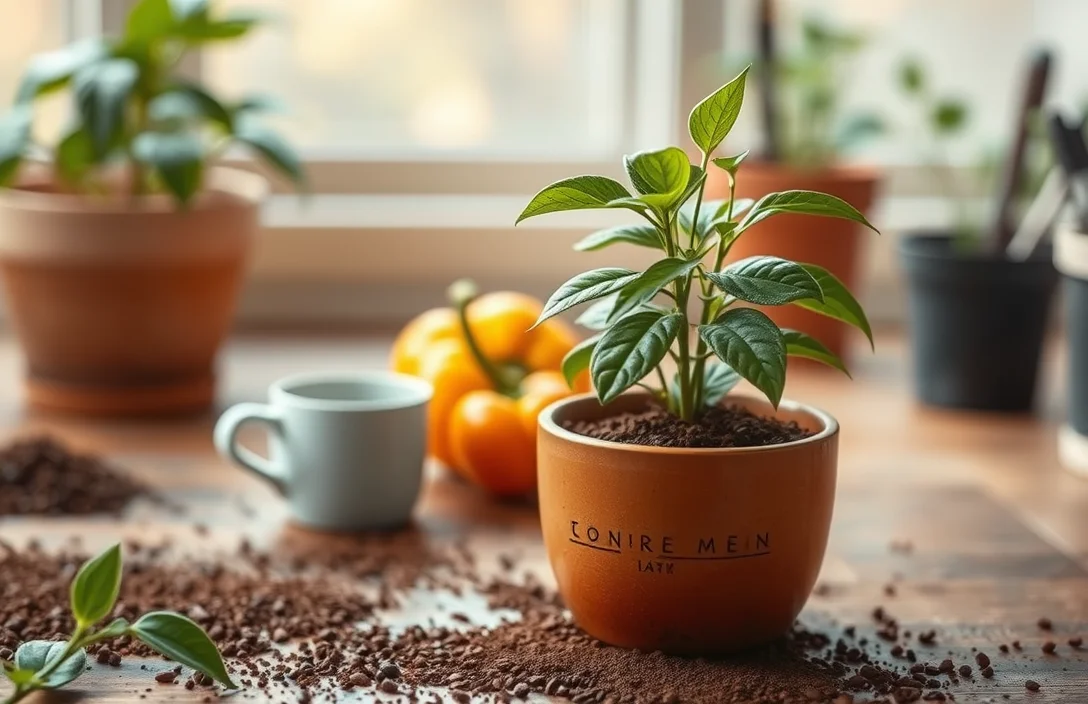
Forty percent of gardeners swear by using coffee grounds for their pepper plants, claiming it enhances growth and flavor. This popular belief may leave you wondering if there’s any truth behind it. Exploring coffee grounds’ benefits could transform your gardening approach.
Mixing coffee grounds into soil offers nutrients like nitrogen, which is essential for growth. Additionally, it can improve drainage and attract worms, further enriching the soil. Experimenting with this organic material could yield healthier, more productive pepper plants.
Benefits of Coffee Grounds for Pepper Plants
Improved soil quality significantly enhances pepper plant growth. Coffee grounds help create a more fertile environment by increasing organic matter. These remnants boost soil aeration and drainage, allowing roots to expand and absorb nutrients effectively. With better quality soil, your pepper plants receive the essential support they need for healthy development.
- Boosts nutrient retention in soil.
- Enhances microbial activity beneficial for plants.
- Improves soil structure, promoting root growth.
- Increases water retention, reducing irrigation needs.
- Provides a slow-release source of nitrogen.
Integrating coffee grounds into your gardening practice yields multiple advantages. The grounds act as a natural amendment, enriching the soil and supporting beneficial organisms that contribute to plant health. Applying these grounds not only benefits your pepper plants but also promotes a sustainable gardening approach by recycling waste.
Adopting coffee grounds for your pepper plants creates a win-win situation. You enhance the health and growth of your plants while reducing kitchen waste. This practice is straightforward and effective, making it an excellent addition to your gardening toolkit.
Nutritional Value of Coffee Grounds
Coffee grounds provide significant nutrients beneficial for pepper plants. Rich in nitrogen, they enhance plant growth, offering a natural fertilizer that promotes green foliage and strong stems. The nitrogen content supports photosynthesis, which is essential for healthy development.
Phosphorus is another key nutrient found in coffee grounds. This element aids in root development and flowering, making it crucial for pepper plants during their growth stages. A robust root system allows for better nutrient and water absorption, ultimately leading to healthier plants.
Potassium, also present in coffee grounds, helps regulate various physiological processes in plants. This mineral enhances water retention, improves disease resistance, and contributes to overall plant vigor. By adding coffee grounds to the soil, you can ensure your pepper plants receive a balanced nutrient supply.
Trace minerals such as magnesium and calcium contribute to soil health. Magnesium is vital for chlorophyll production, while calcium strengthens cell walls and aids in nutrient uptake. These minerals, although needed in smaller amounts, play a crucial role in maintaining the health of pepper plants.
Soil pH Changes from Coffee Grounds
Soil tests show coffee grounds mildly acidify garden soil over months; fresh, used grounds are near-neutral and mainly alter the top one to two inches. Apply no more than 20% coffee-ground volume mixed into potting soil or beds, then monitor pH monthly and adjust if pH drops below 6.0 to protect pepper nutrient uptake.
Peppers tolerate light coffee-ground additions if soil pH remains near 6.0 to 7.0; heavier applications risk acidifying topsoil and limiting calcium and magnesium uptake. Ask: do pepper plants like coffee grounds? Short answer: used grounds usually improve structure and microbial activity, but watch pH and use sparingly.
- Test soil with a probe or kit monthly before adding grounds; aim for pH 6.0 to 6.8 for optimal pepper nutrient availability.
- Mix used grounds into compost at roughly 10 to 20% volume before applying to pots or beds; do not layer fresh grounds directly against roots.
- Monitor pH and plant response weekly after application; add garden lime if pH declines under 6.0 or flush with water to dilute acidity.
Composting Coffee Grounds Effectively
Mix coffee grounds with other compost materials for optimal results. Combining them with carbon-rich materials like dry leaves or cardboard balances nitrogen levels. Aim for a ratio of about one part coffee grounds to three parts browns. This mixture speeds up decomposition and enhances nutrient availability for your pepper plants.
Turn the compost regularly to aerate and speed up the breakdown process. Aeration helps microbes thrive, breaking down organic matter more efficiently. Aim to turn it every few weeks for the best outcome. A well-aerated compost pile will produce rich compost in a shorter time.
Monitor moisture levels in your compost. Coffee grounds can retain moisture, so check for excess water. If it feels too wet, add dry materials to balance the moisture content. Proper moisture levels facilitate decomposition while preventing unpleasant odors.
Allow coffee grounds to decompose fully before using them in your garden. Fresh grounds can be too acidic for direct use, potentially harming your pepper plants. Aim for a composting period of at least three months to ensure the grounds are well-integrated and safe for application.
Using Coffee Grounds for Pest Control
Applying coffee grounds effectively deters pests. Sprinkle used coffee grounds around the base of your pepper plants to create a barrier. This method repels slugs, snails, and other crawling insects that can harm your plants. The gritty texture acts as a deterrent, making it uncomfortable for these pests to cross.
Employing coffee grounds also attracts beneficial insects. Earthworms love coffee grounds, and their presence improves soil quality and aeration. A healthy soil ecosystem supports pepper plants by enhancing nutrient availability while keeping harmful pests at bay.
Combining coffee grounds with other natural repellents strengthens pest control. Mix them with crushed eggshells or diatomaceous earth for an even more effective barrier. This combination not only protects your plants but also enriches the soil, creating an ideal environment for growth.
Monitoring the effectiveness of your strategy is essential. Regularly check the pepper plants for pest activity and replenish coffee grounds as necessary. Consistency in application can significantly reduce pest populations, allowing your plants to flourish without chemical interventions.
Quick Summary
- Pepper plants can benefit from the nutrients in coffee grounds.
- Coffee grounds improve soil structure and drainage when added to the garden.
- They provide a slow-release source of nitrogen, essential for pepper plant growth.
- Excessive use of coffee grounds may lead to soil acidity; moderation is key.
- It’s important to compost coffee grounds before applying them to avoid mold and pests.
- Mixing coffee grounds with other organic materials enhances their effectiveness as a fertilizer.
- Monitor pepper plant health after application to ensure they thrive with the added coffee grounds.
Frequently Asked Questions
Do pepper plants benefit from coffee grounds?
Yes, pepper plants can benefit from coffee grounds as they add organic matter and improve soil structure. The grounds can also provide a slow release of nutrients like nitrogen, which is essential for plant growth.
How should I use coffee grounds for my pepper plants?
You can mix coffee grounds into the soil before planting or sprinkle them on top as a mulch. Just be sure to use them in moderation to avoid overly acidic soil.
Are there any drawbacks to using coffee grounds on pepper plants?
One potential drawback is that too much coffee grounds can lead to an acidic environment, which may not be suitable for all pepper varieties. It’s important to monitor soil pH and adjust accordingly.
How often can I apply coffee grounds to my pepper plants?
You can apply coffee grounds every few weeks during the growing season, but it’s best to start with a small amount and observe how your plants respond. Adjust the frequency and quantity based on their needs.
Can I use used coffee grounds, or do they need to be fresh?
Used coffee grounds are perfectly fine to use, as they still contain beneficial nutrients. Fresh coffee grounds can be more acidic, so if you’re concerned about soil pH, it’s safer to use the used ones.

- Unlocking the Venti: Discover the Perfect Shot Count for Your Drink - October 13, 2026
- Unpacking the Buzz: Caffeine Levels in Café Bustelo Espresso - October 13, 2026
- How to Fix Bitter Coffee: 10 Expert Ways to Improve the Taste - October 4, 2026