
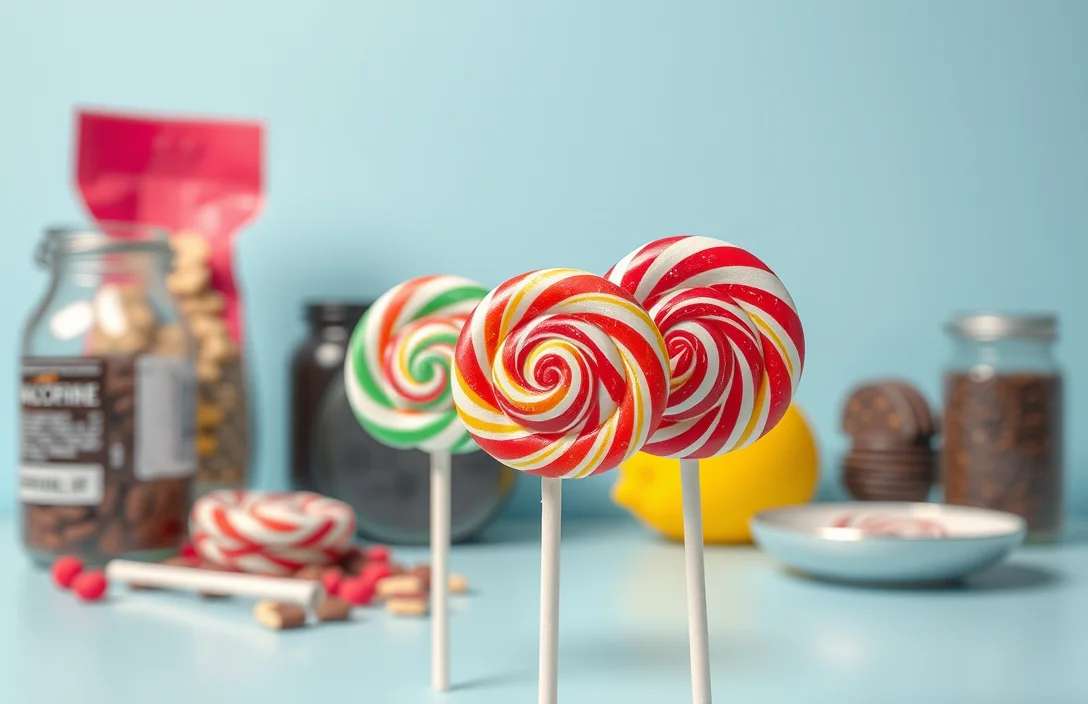
Studies reveal that most lollipops do not contain caffeine, making them a safe treat for those avoiding stimulants. However, some specialty brands may include caffeine for a unique twist. Understanding this can help you make informed choices about your candy consumption.
Typically, traditional lollipops are caffeine-free, while energy lollipops may contain added caffeine. Always check the label for specific ingredients to ensure they meet your dietary preferences.
Caffeine Sources in Confectionery Products
Caffeine can be found in various confectionery products, often surprising consumers. Many candies, including chocolate-based items, contain caffeine due to their cocoa content. Even some energy candies are formulated specifically to provide a caffeine boost for those looking for an extra kick.
Lollipops, however, vary widely in their ingredients. While traditional fruit-flavored varieties typically contain no caffeine, some specialty lollipops include caffeine as an added ingredient. These caffeinated options are designed for those seeking a sweet treat alongside a boost of energy.
Ingredients play a crucial role in determining caffeine levels. Always check packaging labels for caffeine content, especially in brands that market themselves as energy-enhancing. Knowledge of ingredient lists can help consumers make informed decisions about their candy choices.
Configurations like chocolate lollipops or those infused with coffee or tea can introduce caffeine into the mix. Recognizing these variations is essential for understanding the caffeine landscape within lollipops and other candies. Ultimately, awareness of what goes into your favorite sweets can enhance your enjoyment and control over your caffeine intake.
Varieties of Lollipops and Their Ingredients
Standard lollipops typically do not contain caffeine. They usually consist of sugar, corn syrup, flavorings, and colorings. These basic ingredients create a sweet treat that appeals to children and adults alike. Most commercial brands prioritize sweetness over any stimulating effects, making them suitable for all ages.
Specialty lollipops may include caffeine as an added ingredient. Brands targeting adults often create energy lollipops that combine traditional candy ingredients with caffeine sources like coffee or tea extracts. These variations appeal to those seeking a quick energy boost without the need for beverages.
Novelty lollipops can also contain unexpected ingredients. Some might be infused with herbal elements or flavored with spices that could offer mild stimulating effects. However, these products tend to be less common and should be examined for caffeine content on the packaging.
Organic and natural lollipops usually avoid caffeine, focusing instead on wholesome ingredients. They often use natural sweeteners and flavorings, appealing to health-conscious consumers. Checking labels helps confirm whether these treats contain any caffeine-derived components.
Gourmet lollipops may experiment with unique flavors and include ingredients like matcha or yerba mate, which naturally contain caffeine. While these options exist, they are generally marketed as specialty items and not the norm in mainstream candy aisles.
Comparing Sugar and Caffeine Levels
Sugar content in lollipops typically ranges from 10 to 20 grams per serving. This high sugar level contributes significantly to the overall calorie count and can cause quick energy spikes. While lollipops provide immediate sweetness, they lack substantial nutritional value, which raises concerns when consumed excessively. Understanding these levels is crucial for making informed choices.
Caffeine presence in lollipops is generally minimal. Many varieties do not contain any caffeine at all, making them safe for children and those sensitive to stimulants. Some specialty lollipops may include caffeine, often marketed for an energy boost. Checking the packaging is essential to determine if a specific lollipop has any caffeine included.
Comparing the two components, sugar remains the dominant factor in traditional lollipops. While caffeine may provide a temporary alertness, the sugar is what primarily affects energy levels. Overindulgence in sugar can lead to health issues, making moderation key for consumers. Balancing both ingredients is vital for maintaining overall health.
Health Implications of Caffeine Consumption
Caffeine affects children differently than adults. Young bodies metabolize caffeine at a slower rate, making them more susceptible to its effects. Increased heart rate, anxiety, and sleep disturbances are common symptoms. Parents should monitor caffeine intake to prevent adverse reactions.
- Monitor daily caffeine limits. The American Academy of Pediatrics recommends no more than 100 mg of caffeine per day for children. This guideline helps prevent overstimulation and negative health effects.
- Evaluate behavioral changes. If children exhibit hyperactivity, irritability, or difficulty concentrating after consuming caffeinated products, consider reducing their intake. Sensitivity varies among individuals.
- Prioritize hydration. Caffeine can lead to increased urination, potentially causing mild dehydration. Encourage children to drink water alongside any caffeinated treat to maintain proper hydration levels.
- Consider timing of consumption. Limiting caffeine intake later in the day helps ensure children sleep soundly at night. Sleep quality is crucial for their overall development and well-being.
- Consult healthcare professionals. Parents concerned about their child’s caffeine consumption should seek advice from a pediatrician. Tailored recommendations can address individual health needs.
Notable Brands Offering Caffeinated Lollipops
Several brands specialize in caffeinated lollipops, making it easier for consumers to enjoy this sweet treat alongside a caffeine boost. These products cater to those seeking an alternative to traditional energy sources, such as coffee or energy drinks. Here are some prominent brands to consider.
BuzzPop lollipops are known for their unique flavors and caffeine content. Each lollipop contains approximately 50 milligrams of caffeine, equivalent to a cup of coffee. This brand focuses on creating fun, fruity flavors, making them popular among both kids and adults looking for a sweet energy boost.
Energy Pop also features caffeinated options, offering different flavors that appeal to a variety of tastes. With a similar caffeine content, these lollipops provide an enjoyable way to consume caffeine without the need for traditional beverages. Their branding emphasizes a playful approach to energy, attracting a younger audience.
Caffeinated lollipops from the brand LolliPop offer an alternative for consumers who prefer a more subtle energy source. With flavors ranging from classic cherry to exotic mango, these treats provide a unique twist on the traditional lollipop experience. Each pop delivers a moderate caffeine dose, making it suitable for casual consumption.
Finally, some local candy shops have begun creating their own caffeinated lollipops, often using natural flavors and ingredients. These artisanal options may vary in caffeine content and flavor, providing unique choices for those interested in exploring different tastes.
Alternatives to Caffeine in Sweets
Exploring sugar-free options enhances your candy choices. Many lollipops utilize sugar substitutes, allowing for a sweet experience without caffeine. Popular sweeteners include xylitol, erythritol, and stevia. These alternatives provide sweetness without the calories associated with sugar, making them an excellent choice for those seeking to avoid caffeine.
Many brands offer lollipops that are both sugar-free and caffeine-free. Look for well-known names that specifically advertise these qualities. Products labeled as “sugar-free” often contain natural sweeteners, ensuring you enjoy your treat without the added buzz. Reading ingredient lists helps you identify suitable options easily.
Choosing fruit-flavored lollipops frequently leads to caffeine-free selections. Many fruity varieties focus on natural flavors and colors, steering clear of stimulating ingredients. Furthermore, exploring local artisanal candy shops may yield unique flavors made without caffeine or artificial additives.
Seeking out organic lollipops is another great option. Organic candies often emphasize quality ingredients and avoid caffeine to appeal to health-conscious consumers. Many brands prioritize using pure, organic sweeteners, making them a delightful yet safe choice for all ages.
Importance of Reading Candy Labels
Reading ingredient labels is crucial. Many consumers overlook this simple step, yet it can reveal essential information about lollipops, including potential caffeine content. By examining the label, one can make informed choices, ensuring that the candy meets personal dietary preferences and restrictions.
- Identify the ingredient list first. Ingredients are typically listed in descending order by weight. If caffeine is present, it will appear among the first few ingredients.
- Look for specific terms related to caffeine. Words like “coffee extract,” “tea extract,” or “caffeine” itself indicate the presence of caffeine in the product.
- Check for flavorings that may contain caffeine. Certain flavors, such as cola or energy drink varieties, might include caffeine, even if not explicitly stated in the main ingredients.
- Examine the nutritional information. Some brands may list caffeine content in the nutrition facts section, providing a clear understanding of how much caffeine is included in each serving.
- Compare different brands. Not all lollipops have the same ingredients. By comparing labels, you can find options that fit your needs better.
Making educated choices regarding lollipops and their caffeine content significantly impacts overall health and dietary preferences. Always prioritize reading labels to avoid unexpected surprises.
Quick Summary
- Lollipops are generally caffeine-free, as they are primarily made from sugar and flavorings.
- Some specialty lollipops may contain caffeine, often marketed as energy lollipops.
- The caffeine content in those specialty lollipops can vary significantly, so it’s important to check the label.
- Traditional lollipops do not provide any stimulating effects associated with caffeine.
- Children and those sensitive to caffeine should be cautious with caffeine-infused lollipops.
- Always read product ingredients to confirm the presence of caffeine in any candy.
- For a caffeine boost, consider other products specifically designed for that purpose rather than relying on lollipops.
Frequently Asked Questions
Do lollipops contain caffeine?
Most traditional lollipops do not contain caffeine. They are primarily made from sugar, flavorings, and food colorings, making them a caffeine-free treat.
Are there caffeinated lollipops available?
Yes, some brands produce lollipops that contain caffeine, often marketed as energy lollipops. These products are usually designed for adults looking for a sweet energy boost.
How can I tell if a lollipop has caffeine?
To determine if a lollipop contains caffeine, check the ingredients list on the packaging. If caffeine or caffeinated ingredients like coffee or tea extracts are listed, it likely contains caffeine.
What are the effects of caffeine in lollipops?
The effects of caffeine in lollipops are similar to those in other caffeinated foods and beverages, including increased alertness and potential jitteriness. The amount of caffeine can vary significantly, so it’s important to check the product details.
Can children eat caffeinated lollipops?
Caffeinated lollipops are generally not recommended for children due to their sensitivity to caffeine and the potential for adverse effects. It’s best to stick with traditional, caffeine-free lollipops for kids.

- Unlocking the Venti: Discover the Perfect Shot Count for Your Drink - October 13, 2026
- Unpacking the Buzz: Caffeine Levels in Café Bustelo Espresso - October 13, 2026
- How to Fix Bitter Coffee: 10 Expert Ways to Improve the Taste - October 4, 2026