
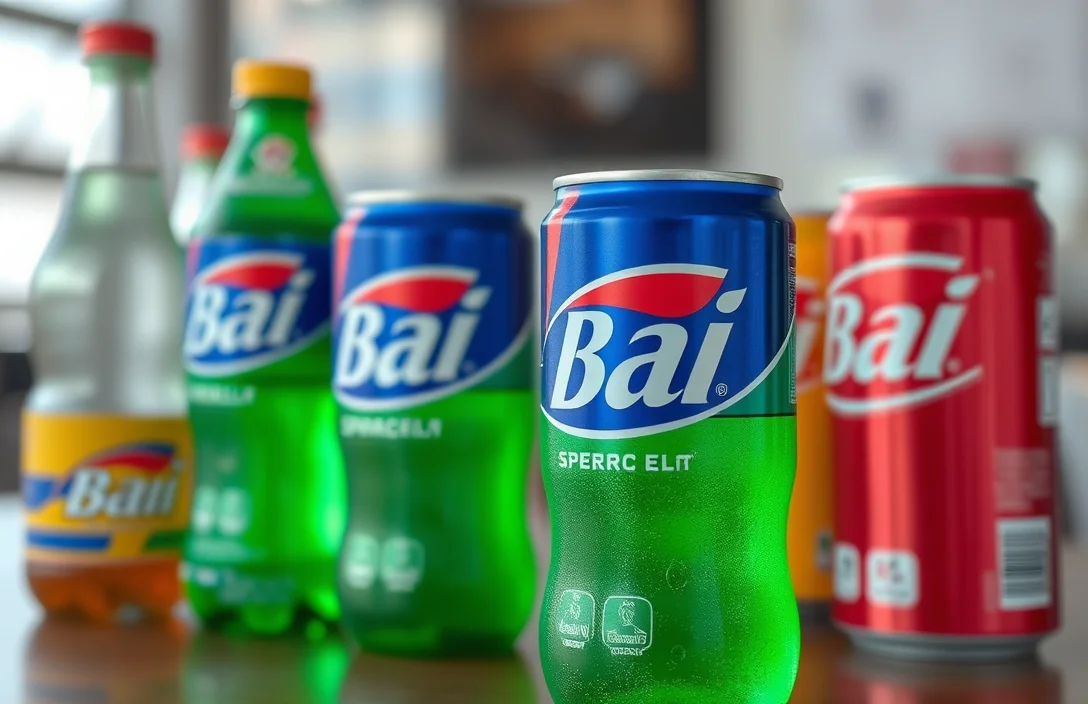
Seventy percent of Bai drinks contain caffeine, making them a popular choice for those seeking energy without traditional energy drinks. These beverages combine exotic flavors with varying caffeine levels, appealing to many consumers looking for alternatives to sugary sodas or coffee.
Curiosity about Bai drinks often leads to confusion. Not all Bai drinks have caffeine; some flavors are caffeine-free. Check labels for specific details to determine the caffeine content in each variety.
Overview of Bai Drinks and Their Varieties
Bai drinks offer a refreshing combination of flavors and health benefits. Each beverage is infused with antioxidant-rich ingredients, making them a popular choice for health-conscious consumers. Varieties range from fruity to tropical, ensuring there’s something for everyone. These drinks are often marketed as low-calorie options without sacrificing taste, appealing to those seeking healthier alternatives.
Flavors include classic favorites such as Costa Rica Clementine and Brazilia Blueberry. Each option provides unique taste profiles while still maintaining hydration. Bai drinks also capitalize on exotic ingredients like superfruit extracts, enhancing both flavor and nutritional value. Options like Peach and Mango add a vibrant twist to the lineup, creating a diverse selection.
Consumers appreciate Bai for its commitment to quality ingredients and innovative flavors. The drinks are often sweetened with natural sweeteners, reducing the need for artificial additives. This approach caters to those who prioritize clean labels and transparency in their beverage choices. Exploring the range of Bai drinks reveals a commitment to both flavor diversity and health-conscious formulation.
Caffeine Sources in Bai Drinks
Caffeine in Bai drinks primarily comes from coffee fruit extract. This ingredient is derived from the outer cherry of the coffee bean, which contains natural caffeine. Bai strategically uses this extract to provide a boost without relying on traditional coffee or tea sources, catering to diverse consumer preferences.
Coffee fruit extract contains antioxidants along with caffeine, making it a unique choice for energy drinks. The benefits of this extract extend beyond just caffeine; it also offers health advantages. Consumers looking for a refreshing drink with added energy can appreciate this innovative ingredient.
Many Bai flavors incorporate this coffee extract, ensuring caffeine is present in most varieties. While not every flavor may have the same caffeine level, the core ingredient remains consistent across many options. This variety allows consumers to choose Bai drinks that suit their taste while still providing a caffeine source.
Notably, Bai’s approach to caffeine sources distinguishes it from other beverage brands. By focusing on coffee fruit, Bai offers a unique alternative for those seeking an energy boost without the bitterness often associated with coffee. This innovation reflects the brand’s commitment to blending flavor and functionality effectively.
Caffeine Content Across Different Bai Flavors
Bai offers a variety of flavors, each containing different levels of caffeine. While most Bai drinks have a consistent caffeine content, the specific amount can vary depending on the flavor. Generally, Bai drinks contain about 30 milligrams of caffeine per 12-ounce serving, which comes primarily from coffee fruit extract.
Cherry flavor delivers a refreshing taste with the same caffeine content, providing an invigorating experience. Mango offers a tropical twist while maintaining the 30-milligram caffeine level found in other flavors. Pomegranate, known for its rich antioxidants, also aligns with the standard caffeine amount.
Peach flavor mirrors the overall caffeine content, making it a delightful choice for those seeking a fruity beverage. Lemonade presents a zesty alternative while keeping the caffeine consistent at 30 milligrams. A unique flavor, Costa Rican Lemonade, also adheres to this caffeine standard.
Variations exist among the Bai flavors, but most fall within the 30-milligram range. Choosing Bai drinks allows consumers to enjoy a flavorful experience without excessive caffeine. Ultimately, whether sipping on the classic or trying a new flavor, caffeine levels remain manageable and enjoyable for all.
Bai Drinks Compared to Other Beverages
Bai drinks contain varying caffeine levels, which can be compared to other beverages like coffee, tea, and energy drinks. Typically, Bai beverages offer about 30-50 mg of caffeine per serving, making them a moderate option for those seeking a mild energy boost without excessive jitters.
In contrast, standard brewed coffee contains approximately 95 mg of caffeine per 8 ounces. Those looking for a stronger caffeine kick may find coffee a better choice. Energy drinks often exceed Bai’s caffeine content, with some brands delivering over 200 mg per can, potentially leading to a more intense energy surge.
Tea provides another alternative, generally ranging from 30 to 70 mg of caffeine per cup. This variation depends on the type of tea and brewing time. Bai drinks align well with lower-caffeine options like green or white teas while still offering unique flavors.
Comparatively, Bai drinks serve as a refreshing middle ground. They provide a balanced caffeine level, combined with antioxidants and natural flavors. Many consumers appreciate this blend, making Bai a popular choice among health-conscious individuals seeking flavor without excessive caffeine.
Health Benefits Associated with Caffeine
Caffeine consumption provides several notable health benefits. Primarily, it can enhance mental alertness and improve focus. Many people rely on caffeinated beverages like Bai drinks to kickstart their day or stay productive during work hours. Consuming caffeine in moderation can lead to increased cognitive function, making tasks feel easier and less taxing.
Research indicates that caffeine may boost metabolism, aiding in weight management. By increasing the body’s energy expenditure, caffeine helps burn more calories even at rest. This effect can be particularly beneficial for those seeking to maintain or lose weight while enjoying flavorful beverages.
Studies reveal caffeine’s potential to reduce the risk of certain diseases. Regular consumption has been linked to a lower incidence of Parkinson’s disease and Type 2 diabetes. While Bai drinks may not be a cure, they can contribute positively to overall health when included in a balanced diet.
Moderate caffeine intake can improve physical performance. Athletes often consume caffeinated drinks before workouts to enhance endurance and reduce perceived exertion. Bai drinks, offering a refreshing alternative, can serve as an effective pre-exercise option.
Social interactions frequently include caffeine-rich beverages. Sharing a Bai drink with friends can create enjoyable moments, fostering connections. This aspect highlights caffeine’s role not just in health but also in enhancing social experiences.
Decaffeinated Options Available in Bai Range
Bai offers several decaffeinated options for consumers who prefer to avoid caffeine. These drinks maintain the same refreshing taste without the stimulating effects associated with caffeine. Notably, Bai’s line of flavors typically includes a selection that is naturally caffeine-free, appealing to those who are sensitive to it or choose to eliminate it from their diet.
Flavors such as Bai Coconut and Bai Mango provide delicious alternatives without caffeine. Each of these options combines exotic fruit flavors with Bai’s signature antioxidant-rich infusion, ensuring that taste does not compromise health benefits. Consumers can enjoy these beverages any time of day without worrying about caffeine intake.
Exploring Bai’s product line reveals that the brand prioritizes variety. This commitment allows consumers to find flavors that suit their preferences while adhering to dietary restrictions. Whether enjoying a warm afternoon or winding down in the evening, Bai’s decaffeinated choices serve as an excellent hydration option.
Ultimately, selecting Bai drinks without caffeine ensures that enjoyment and refreshment remain accessible. These beverages deliver the desired flavor experience while respecting individual health choices. Thus, those avoiding caffeine can still partake in Bai’s delightful range of beverages without concern.
Consumer Trends Related to Caffeine Preferences
Market research reveals shifting consumer preferences regarding caffeine consumption. Many individuals are increasingly mindful of their caffeine intake, opting for products that align with their lifestyle choices. This trend is evident in the popularity of Bai drinks, which offer both caffeinated and non-caffeinated options to cater to diverse needs.
Surveys indicate a growing desire for transparency in product labeling. Consumers want to know precisely how much caffeine is present in their beverages. Brands that clearly communicate caffeine content and offer decaffeinated alternatives tend to gain consumer trust and loyalty. Bai’s range of drinks is well-positioned to meet this demand.
Health-conscious buyers are prioritizing functional beverages that provide energy without excessive sugar or calories. Bai drinks often contain fewer calories compared to traditional energy drinks, making them appealing for those looking to maintain a balanced diet while still enjoying a caffeine boost.
Convenience also plays a significant role in consumer choices. Portable packaging and easy availability in retail environments make Bai drinks an attractive option for busy individuals seeking a quick energy fix. As lifestyle changes continue to influence purchasing decisions, brands must adapt to meet these evolving preferences.
Quick Summary
- Bai drinks are primarily marketed as low-calorie, antioxidant-rich beverages.
- Not all Bai drinks contain caffeine; it varies by product line.
- The Bai Antioxidant Infusions typically contain 30-50 mg of caffeine per serving.
- Some Bai drinks, like Bai Bubbles, also have caffeine but are carbonated.
- Caffeine-free options are available in the Bai range for those avoiding caffeine.
- Always check the label for specific caffeine content and ingredients.
- Bai drinks use natural sources like coffee fruit for their caffeine content.
Frequently Asked Questions
Do all Bai drinks contain caffeine?
No, not all Bai drinks contain caffeine. Bai offers a variety of beverages, including some that are caffeine-free, such as their Bai Bubbles line.
Which Bai drinks have caffeine?
Bai drinks that are infused with coffee fruit typically contain caffeine, such as Bai Antioxidant Drinks. The amount of caffeine varies by flavor, so it’s best to check the label for specific details.
How much caffeine is in Bai drinks that contain it?
The caffeine content in Bai drinks that contain it is generally around 30-50 mg per serving, depending on the flavor. This is comparable to a cup of green tea.
Are there any health benefits to the caffeine in Bai drinks?
Caffeine can provide a temporary energy boost and enhance mental alertness. Additionally, Bai drinks contain antioxidants from coffee fruit, which may offer additional health benefits.
How can I tell if a Bai drink has caffeine?
You can determine if a Bai drink contains caffeine by checking the product label. The ingredient list and nutrition facts will specify whether caffeine is included and provide the amount per serving.

- Unlocking the Venti: Discover the Perfect Shot Count for Your Drink - October 13, 2026
- Unpacking the Buzz: Caffeine Levels in Café Bustelo Espresso - October 13, 2026
- How to Fix Bitter Coffee: 10 Expert Ways to Improve the Taste - October 4, 2026