
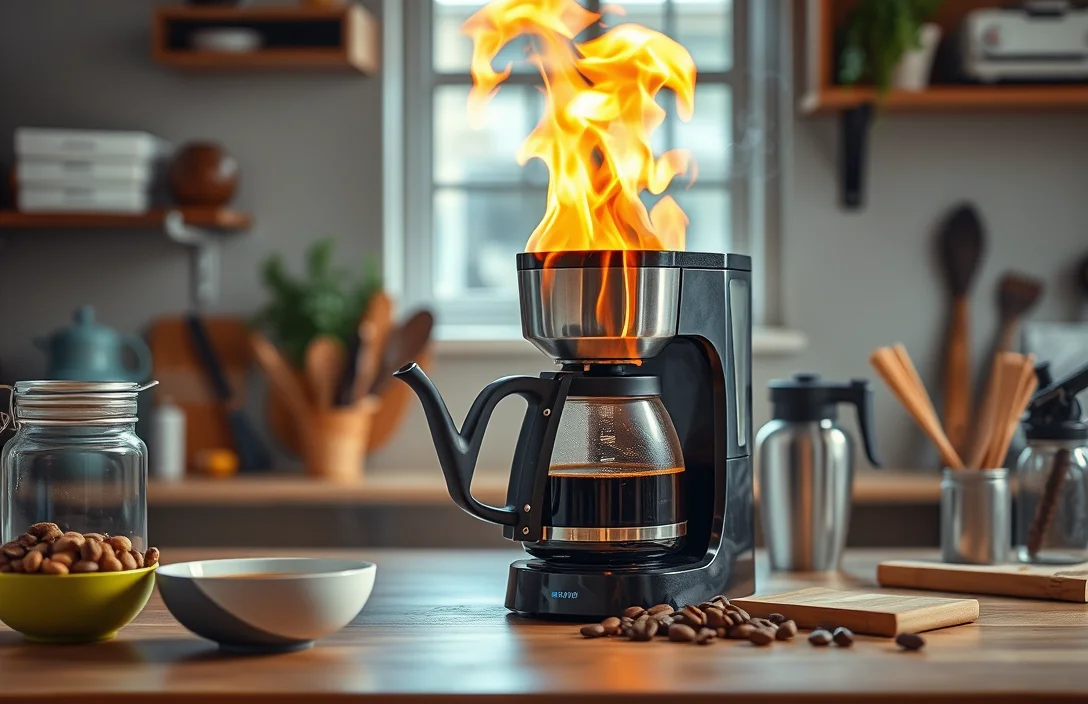
Statistics reveal that coffee makers are responsible for over 1,000 house fires annually in the United States. Many of these incidents occur due to improper use or lack of maintenance, highlighting the importance of understanding the risks associated with these common appliances.
Fire hazards from coffee makers stem from overheating, faulty wiring, and neglected maintenance. Knowing how to safely operate and regularly check your coffee maker can significantly reduce the risk of fire in your home.
Common Causes of Coffee Maker Fires
Neglected coffee makers can lead to fires. Leaving these machines unattended while brewing or warming can cause overheating. Over time, debris and coffee residue accumulate, creating a fire hazard. Regular cleaning prevents buildup and reduces risks significantly.
Faulty electrical components often spark fires. Worn-out cords, damaged plugs, or malfunctioning internal wiring can trigger dangerous situations. Inspecting the machine periodically for signs of wear ensures safety during use.
Incorrect usage can increase fire risks. Using the coffee maker outside its intended purpose, such as brewing with foreign materials, can cause overheating. Always follow the manufacturer’s guidelines for operation to avoid accidents.
Overfilled water reservoirs may also create hazards. Excess water can overflow and come into contact with electrical components, potentially leading to short circuits. Maintaining the correct water level is crucial for safe operation.
Old appliances pose serious risks. Coffee makers lose efficiency over time, which may lead to overheating. Replacing outdated machines can prevent potential fire hazards and improve overall coffee quality.
Essential Fire Safety Tips
Inspect your coffee maker regularly for any signs of wear or damage. Cracked surfaces, frayed cords, or malfunctioning components can lead to overheating and potential fire hazards. Prioritize safety by checking these areas often to ensure your machine operates properly and safely.
Unplugging your appliance after use significantly reduces fire risks. Leaving it plugged in can lead to overheating, especially if it has faulty wiring. Make it a habit to unplug the coffee maker immediately after brewing to eliminate this danger.
Position your coffee maker away from flammable materials. Keeping it clear of paper towels, dish cloths, or wooden surfaces helps prevent accidental fires. Designate a safe area on your countertop to ensure it remains a safe distance from anything that could ignite.
- Always use the correct voltage to avoid electrical issues.
- Maintain cleanliness by regularly descaling and cleaning your machine.
- Ensure proper ventilation while using the coffee maker.
Review the manufacturer’s guidelines for your specific model. Following the instructions on usage and care will help prevent accidents and extend the life of your appliance. Familiarize yourself with safety warnings to ensure a secure brewing experience.
Signs of Malfunction in Coffee Makers
Burning smell? Unplug and inspect immediately. Visible smoke, sparks, or melting plastic around the base signal internal arcing or failed insulation. Repeated tripping of breakers, persistent burning odors after cooling, hot spots on the housing, loud buzzing or crackling, and water leaking onto electrical components are all red flags. Stop using the unit and do not plug it back in.
Disconnect power and call electrician or manufacturer support for inspection; document damage with photos and avoid using extension cords during assessment. If you smell persistent burning or see scorch marks, replace the appliance—internal repair is often unsafe and warranty rules vary. Prompt professional evaluation prevents escalation to a coffee maker fire and reduces household risk.
Preventing Overheating in Coffee Makers
Automatic timed shutoff prevents prolonged heating: set your brewer to turn off within 30 minutes and unplug after brewing to eliminate residual heat that can cause fires. Test the shutdown monthly and replace units without reliable timed power-off. Use a thermal carafe instead of an always-on hotplate to keep coffee warm without continuous heating.
Monthly testing confirms timed shutoff works: run a brew cycle and observe that power cuts within the preset interval. If the unit remains powered, unplug immediately and arrange repair or replacement. Keep heating surfaces and vents clear of scale or debris; descale monthly and wipe spills promptly. Regular checks reduce the risk of coffee maker fire.
Guidelines for Proper Coffee Maker Maintenance
Regular cleaning is crucial for preventing fire hazards. Coffee makers accumulate residues from coffee oils and minerals, which can ignite if left unattended. Schedule a thorough cleaning every month, ensuring all components are free from buildup. Use warm, soapy water for removable parts and a mixture of vinegar and water for the water reservoir to eliminate mineral deposits.
Periodic inspections help identify worn or damaged components. Check for frayed cords, loose connections, and any signs of wear on the heating element. If you notice any issues, replace parts immediately to avoid potential fire risks. Keeping an eye on these details ensures the coffee maker operates safely and efficiently.
Proper storage contributes to safety as well. Always place the coffee maker on a stable, heat-resistant surface, away from flammable materials. Avoid putting it in enclosed spaces without proper ventilation. This allows heat to dissipate, reducing the risk of overheating and subsequent fire hazards.
Timely replacement of old machines is essential for safety. If your coffee maker is several years old or showing signs of malfunction, consider investing in a new model. Modern coffee makers often come with enhanced safety features, minimizing the risk of fire and ensuring better performance.
Emergency Response for Coffee Maker Fires
Act immediately if a fire ignites from your coffee maker. Quick action can prevent injuries and property damage. Knowing how to respond effectively is crucial for safety in your home.
- Unplug the coffee maker immediately. Cutting off the power source is the first step to stop the fire from spreading.
- Use a fire extinguisher if safe. A Class B fire extinguisher is effective for small electrical fires. Aim at the base of the flames.
- Evacuate the area promptly. Ensure everyone leaves the room and closes the door behind them to contain the fire.
- Call emergency services. Even if the fire seems small, it’s best to have professionals assess the situation.
- Do not use water. Pouring water on an electrical fire can worsen the situation, causing the flames to spread further.
Practice safety measures to avoid future incidents. Regular maintenance and careful monitoring can help prevent a fire from occurring in the first place.
Choosing Safe Coffee Makers
Safety features are crucial when selecting a coffee maker. Look for models equipped with automatic shut-off capabilities, which turn off the machine after a set period of inactivity. This feature significantly reduces the risk of overheating and potential fires, making your kitchen safer. Prioritize brands and models known for their safety records.
Temperature control mechanisms enhance safety by preventing excessive heat. Models that allow you to adjust brewing temperatures can help avoid overheating. Select machines with well-insulated components to minimize the risk of external surfaces becoming dangerously hot.
Certifications from recognized safety organizations, such as Underwriters Laboratories (UL) or the Canadian Standards Association (CSA), indicate a reliable product. Always check for these certifications on the packaging or product specifications. Such endorsements ensure the coffee maker meets strict safety standards.
Durability plays a role in fire safety. Opt for coffee makers made from high-quality materials that can withstand regular use without risk of damage. Look for models with sturdy power cords that are less likely to fray or short-circuit.
Lastly, read user reviews for insights into real-world performance. Customers often share experiences related to safety and functionality. Pay attention to any reported incidents involving fire hazards, as these can guide your purchasing decision effectively.
Quick Summary
- Coffee makers can pose a fire hazard if left unattended or malfunctioning.
- Regular maintenance and cleaning can help prevent fires associated with coffee makers.
- Using the coffee maker according to the manufacturer’s instructions is crucial for safety.
- Look for signs of wear or damage in the coffee maker, such as frayed cords or leaks.
- Consider investing in models with automatic shut-off features to enhance safety.
- Always unplug the coffee maker when not in use to reduce fire risk.
- Stay alert for unusual smells or smoke, and address any issues immediately.
Frequently Asked Questions
What causes coffee maker fires?
Coffee maker fires can be caused by electrical malfunctions, overheating, or using damaged appliances. Additionally, leaving a coffee maker unattended for long periods can increase the risk of fire.
How can I prevent my coffee maker from catching fire?
To prevent fires, ensure your coffee maker is in good working condition, free of damage. Regularly clean it, avoid overloading it with coffee or water, and never leave it unattended while brewing.
What should I do if my coffee maker catches fire?
If your coffee maker catches fire, immediately unplug it if it is safe to do so, and use a fire extinguisher if necessary. If the fire is significant or spreading, evacuate the area and call emergency services.
Are certain types of coffee makers more prone to fires?
Some older models or those with faulty wiring may be more prone to fires compared to newer, safety-certified models. It’s important to choose reputable brands and check for safety ratings when purchasing a coffee maker.
What are the signs that my coffee maker is unsafe to use?
Signs that your coffee maker may be unsafe include unusual smells, visible damage to the cord or plug, excessive heat, or if it frequently trips the circuit breaker. If you notice any of these signs, discontinue use and consider replacing your coffee maker.

- Unlocking the Venti: Discover the Perfect Shot Count for Your Drink - October 13, 2026
- Unpacking the Buzz: Caffeine Levels in Café Bustelo Espresso - October 13, 2026
- How to Fix Bitter Coffee: 10 Expert Ways to Improve the Taste - October 4, 2026