
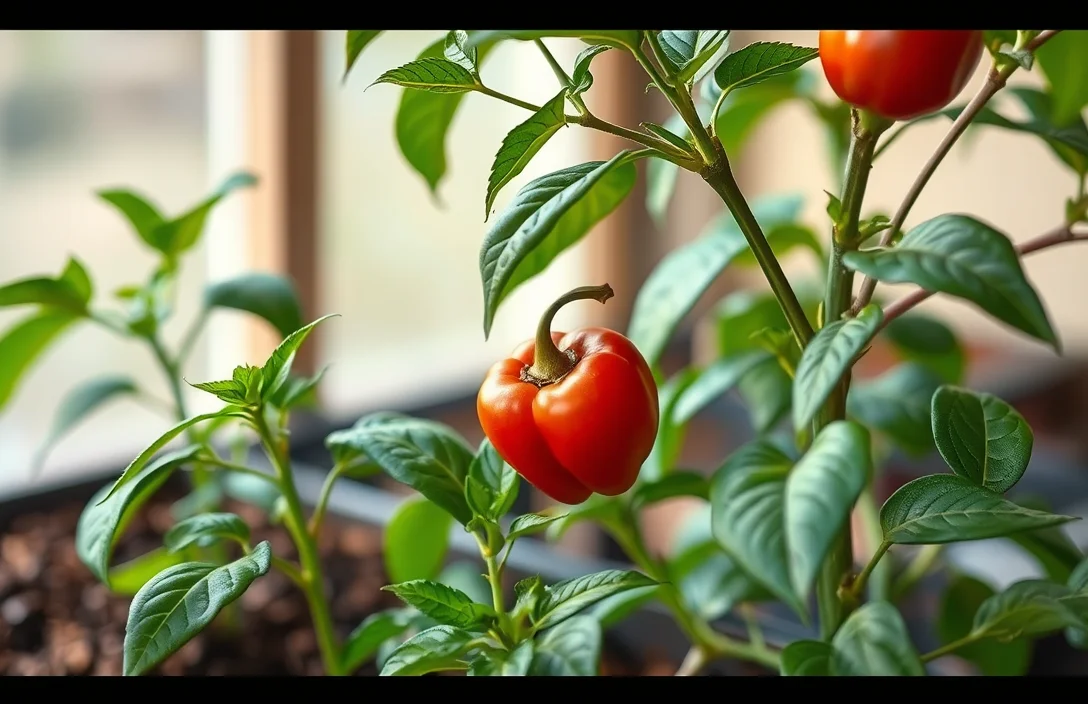
Studies show that coffee grounds can enhance pepper plant growth by improving soil structure and providing essential nutrients. These grounds contain nitrogen, potassium, and magnesium, which are vital for robust pepper production. Curious gardeners can easily incorporate this eco-friendly resource into their planting routine.
Using coffee grounds offers multiple benefits for pepper plants: improves soil acidity, boosts nutrient content, and acts as a natural pest repellent. With simple application methods, gardeners can effectively enhance their plants’ health and yield.
Benefits of Coffee Grounds for Pepper Plants
Enhancing soil quality significantly benefits pepper plants. Coffee grounds improve drainage and aeration, promoting healthy root development. As a natural amendment, they help retain moisture in the soil, ensuring plants receive the necessary hydration without overwatering. This balance is crucial for optimal growth and fruit production.
- Boosts nutrient availability for roots. Coffee grounds contain essential nutrients like nitrogen, phosphorus, and potassium, vital for plant health. This organic material enriches the soil, making nutrients more accessible to pepper plants.
- Encourages beneficial microorganisms in soil. Microbial activity increases with the addition of coffee grounds, enhancing the soil ecosystem. These microorganisms aid in breaking down organic matter, improving nutrient cycling.
- Reduces soil acidity effectively. Coffee grounds can slightly lower pH levels, creating an ideal environment for pepper plants that prefer slightly acidic to neutral soil conditions. Adjusting pH helps maximize nutrient uptake.
- Repels certain pests naturally. The coffee grounds can deter pests like slugs and snails, providing a protective barrier. By applying them around plants, you can minimize damage and maintain healthier growth.
Nutrient Content of Coffee Grounds
Coffee grounds offer essential nutrients vital for pepper plant growth. Rich in nitrogen, phosphorus, and potassium, they enhance soil fertility. Nitrogen promotes leaf growth and overall plant vigor, while phosphorus aids in root development and flowering. Potassium is crucial for fruit development, ensuring robust and flavorful peppers.
Calcium content helps strengthen cell walls, improving plant resilience against diseases. Magnesium is another mineral present, facilitating chlorophyll production, which is fundamental for photosynthesis. This combination of nutrients creates a balanced environment for pepper plants, promoting healthy growth.
Trace minerals such as iron and manganese also appear in coffee grounds. Iron aids in chlorosis prevention, ensuring leaves maintain their green color. Manganese assists in various enzymatic functions, crucial for growth and development. Regular application of coffee grounds can significantly enrich the soil, leading to higher yields.
pH levels of coffee grounds typically range from 6.5 to 6.8, making them slightly acidic. Most pepper varieties thrive in slightly acidic to neutral soils, making coffee grounds an excellent amendment. Incorporating them into the soil can help maintain optimal conditions for your plants.
Soil Amendment Techniques with Coffee Grounds
Improving soil structure enhances drainage and aeration. Coffee grounds contribute to this by altering the soil’s texture. Mixing grounds into the top layer of soil creates a looser, more friable consistency. This environment promotes healthy root growth for pepper plants, allowing them better access to nutrients and moisture.
Incorporating grounds into compost boosts fertility. As coffee grounds decompose, they release nitrogen and other essential nutrients. Combining them with carbon-rich materials like leaves or straw creates a balanced compost mix. This nutrient-rich compost can then be used to enrich the soil in which your pepper plants grow, providing them with sustained nourishment.
Adding coffee grounds creates a slightly acidic environment. Many pepper plants thrive in slightly acidic soil, so this adjustment can lead to improved growth. Testing soil pH can help determine how much coffee ground addition is necessary to achieve optimal acidity levels. Regular monitoring ensures that the pH remains within the preferred range.
Employing coffee grounds enhances microbial activity in the soil. Beneficial microorganisms break down organic matter, improving nutrient availability. This increased biological activity supports healthy plant growth by ensuring that nutrients are readily accessible to the roots of pepper plants.
Application Methods for Pepper Plants
Sprinkle coffee grounds directly around pepper plants to improve soil health. This method not only enhances drainage but also adds essential nutrients. Ensure the grounds are evenly distributed, avoiding excessive layering, which can compact the soil. A thin layer will allow water to penetrate while promoting microbial activity that benefits plant growth.
Mixing coffee grounds into the soil works effectively. Combine it with existing soil at a ratio of one part coffee grounds to four parts soil. This technique enriches the soil structure and helps retain moisture. Doing this before planting or during early growth stages can yield significant results in plant vitality and productivity.
Brewing coffee ground tea offers another method for application. Steep used coffee grounds in water for 24 hours, then strain and use the liquid to water your pepper plants. This nutrient-rich “tea” provides a quick boost to plants, delivering nitrogen and other nutrients directly to the root zone.
Creating a mulch layer using coffee grounds is beneficial as well. Spread a thin layer around plants to help regulate soil temperature and retain moisture. This approach also suppresses weeds, allowing your pepper plants to thrive without competition for resources.
Composting Coffee Grounds for Garden Use
Layering grounds with dry browns speeds decomposition and prevents compaction. Use a roughly 1 part used grounds to 3 parts carbon-rich materials (dry leaves, shredded paper, straw). Spread grounds thinly, alternate with coarse browns to keep air pockets, and moisten to damp but not soggy. Turn the pile every seven to ten days to maintain even breakdown.
- Collect only cool, spent grounds and paper filters; avoid oily flavored residues and wet kitchen waste that cause odors.
- Dry grounds thinly on a tray in sun or a low oven for a few hours to reduce clumping and ease mixing into the pile.
- Mix grounds with three parts dry browns and some coarse material to maintain aeration and balance nitrogen before adding to compost.
- Turn pile every seven to ten days and monitor moisture; aim for damp-but-not-soggy consistency and fluff dense layers to restore airflow.
- Use finished compost containing coffee grounds for pepper plants at 10–20% by volume when mixing potting soil or top-dressing; cure for 2–3 months and screen out uncomposted fragments.
Impact of Coffee Grounds on Soil pH
Coffee grounds significantly affect soil acidity, which is crucial for healthy pepper plant growth. Adding these grounds can lower the pH, making the soil more acidic. Most pepper varieties thrive in slightly acidic conditions, ideally between 6.0 and 6.8 pH. Maintaining this balance helps enhance nutrient availability and overall plant health.
- Cultivate soil before application. Mixing coffee grounds into the top layer of soil ensures even distribution and integration with existing nutrients.
- Monitor pH levels regularly. Use a soil pH meter or test kit to check acidity levels before and after adding coffee grounds, adjusting your approach as needed.
- Apply in moderation. Over-application can overly acidify the soil, potentially harming pepper plants. Aim for a 10-20% ratio of coffee grounds to total soil volume.
- Observe plant response. Watch for changes in growth patterns, leaf color, and fruit production post-application to assess the effectiveness of coffee grounds.
- Adjust based on results. If plants show signs of stress, consider reducing or stopping the use of coffee grounds and explore alternative amendments for your soil.
Pest Deterrent Properties of Coffee Grounds
Repelling pests effectively enhances plant health. Coffee grounds serve as a natural deterrent against various nuisances, including slugs, snails, and certain insects. By incorporating these grounds into your gardening routine, you can create an unfavorable environment for pests while benefiting your pepper plants simultaneously.
- Spread coffee grounds around the base. Distributing a thin layer around your plants creates a barrier that many pests avoid. They dislike the texture and acidity, which helps keep them at bay.
- Mix grounds into the soil. Integrating coffee grounds into the top layer of soil provides a dual benefit. It not only nourishes the plants but also deters pests that might dig or crawl into the soil.
- Apply grounds to compost. Adding coffee grounds to your compost pile enhances its nutrient content while also repelling unwanted insects. This enriched compost can later nourish your pepper plants.
- Use grounds in traps. Creating simple traps with coffee grounds can attract and capture certain pests. This method reduces their population, further protecting your pepper plants.
Maintaining this strategy ensures your pepper plants remain healthy and pest-free. Regular application of coffee grounds can contribute to a more vibrant and productive garden.
Quick Summary
- Coffee grounds provide essential nutrients like nitrogen, potassium, and phosphorus to pepper plants.
- They improve soil structure and drainage, promoting healthier root growth.
- Coffee grounds can help deter pests and attract beneficial insects when added to the garden.
- Using coffee grounds can enhance soil acidity, which may benefit certain pepper varieties.
- They can be used as a natural mulch to retain moisture and suppress weeds around pepper plants.
- It is important to use coffee grounds in moderation to avoid nutrient imbalances.
- Composting coffee grounds can further enrich the soil and provide a balanced amendment for pepper plants.
Frequently Asked Questions
Can I use coffee grounds directly on my pepper plants?
Yes, you can use coffee grounds directly on your pepper plants, but it’s best to mix them with other compost or soil. This helps prevent any potential acidity issues and ensures a more balanced nutrient supply.
How do coffee grounds benefit pepper plants?
Coffee grounds provide essential nutrients like nitrogen, phosphorus, and potassium, which are vital for plant growth. They also improve soil structure, enhance drainage, and promote beneficial microbial activity in the soil.
How often should I apply coffee grounds to my pepper plants?
It’s recommended to apply coffee grounds every few weeks during the growing season. A thin layer around the base of the plants is sufficient, as too much can lead to mold growth or nitrogen depletion.
Are there any downsides to using coffee grounds for pepper plants?
While coffee grounds can be beneficial, using too much can lead to soil acidity, which may harm your pepper plants. It’s important to monitor soil pH and balance coffee grounds with other organic matter.
Can I use coffee grounds from flavored coffees or those with additives?
It’s best to avoid using coffee grounds from flavored coffees or those with additives, as these can contain sugars and oils that may attract pests or lead to fungal issues. Stick to plain, unflavored coffee grounds for the best results.

- How to Fix Bitter Coffee: 10 Expert Ways to Improve the Taste - October 4, 2026
- Why Does My Coffee Taste Bad? 20 Common Problems and Fixes - October 4, 2026
- How to Get Better Crema With Café Bustelo Coffee - October 2, 2026