
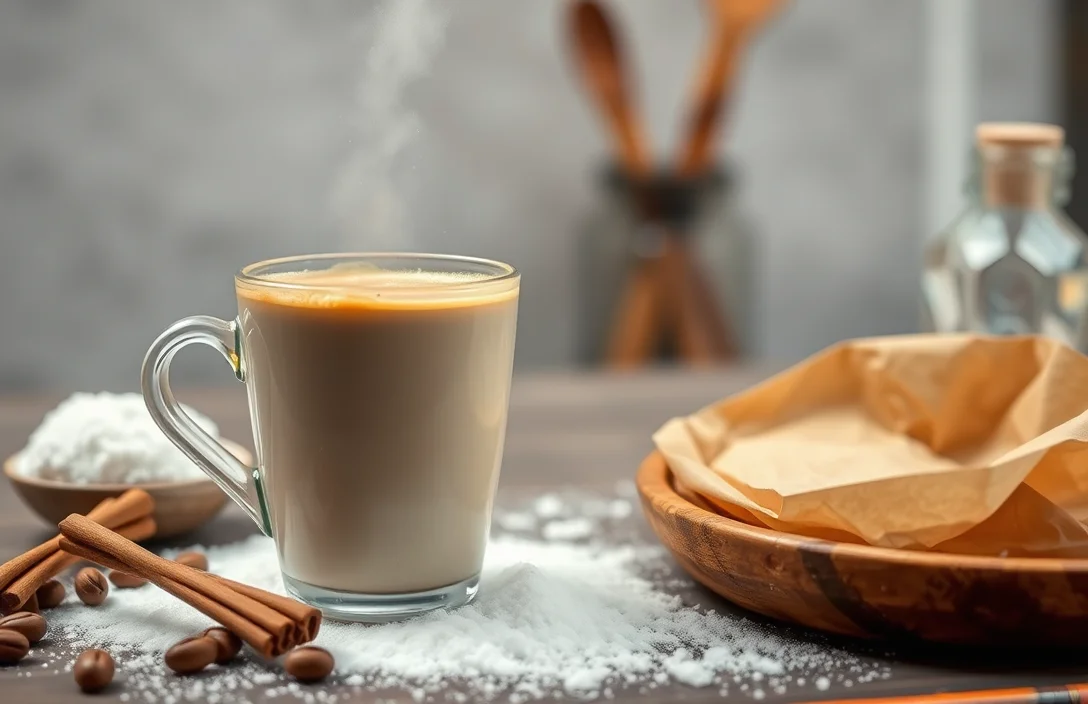
Studies show that adding powdered sugar to coffee can enhance flavor and sweetness without the graininess of granulated sugar. Many coffee lovers are curious whether this sweet alternative can elevate their morning brew, transforming a simple cup into a delightful experience.
Powdered sugar can easily dissolve in coffee, providing smoother sweetness and consistent texture. Experimenting with powdered sugar can also improve flavor profiles, complementing different coffee types effectively.
Comparing Powdered and Granulated Sugar
Powdered sugar dissolves quickly in liquids, making it ideal for sweetening coffee. Its fine texture allows for immediate blending, ensuring a smoother taste without graininess. Granulated sugar, while common, may take longer to dissolve, potentially leaving a gritty texture if not stirred adequately.
Grain size significantly affects sweetness perception. Powdered sugar contains cornstarch, which can slightly alter the flavor and viscosity of coffee. Some coffee enthusiasts prefer the clean sweetness provided by granulated sugar, while others enjoy the instant gratification of powdered sugar.
Flavor profiles differ as well. Powdered sugar’s subtle cornstarch taste can enhance certain brews, while granulated sugar may complement richer, bolder coffees. Experimenting with both types can help determine personal preferences for different coffee styles.
Measurement adjustments are necessary. One cup of granulated sugar equals approximately 1.5 cups of powdered sugar due to density differences. Accurate measurements are crucial for achieving the desired sweetness level without overpowering the coffee’s natural flavors.
Enhancing Coffee Sweetness with Powdered Sugar
Powdered sugar effectively sweetens coffee, providing a smoother taste compared to granulated sugar. Its fine texture dissolves quickly, making it ideal for instant sweetness. For best results, follow these steps to incorporate it into your brew.
- Start with brewed coffee, hot and ready. Ensure the temperature is optimal for dissolving the sugar.
- Add powdered sugar gradually, beginning with one teaspoon. Adjust the amount based on your desired sweetness level.
- Stir vigorously until fully dissolved. This ensures an even distribution of sweetness throughout your cup.
- Taste the coffee after stirring. Fine-tune by adding more sugar if necessary, allowing for precise control over sweetness.
- Consider experimenting with flavored powdered sugars. These can add unique tastes and enhance the overall coffee experience.
Dissolving Properties and Texture in Coffee
Powdered sugar dissolves quickly in hot coffee compared to granulated sugar. Its fine texture allows for a smoother integration into beverages, preventing graininess. This quality makes it an excellent choice for those looking to sweeten their drink without altering the mouthfeel.
Dissolution rate significantly influences overall experience. When added to steaming coffee, powdered sugar blends seamlessly, creating a unified flavor profile. This contrasts with larger sugar crystals that may settle at the bottom, requiring more effort to mix thoroughly.
Smoothness enhances enjoyment of your brew. Using powdered sugar results in a silky texture, which complements the coffee’s natural richness. This can make each sip feel more luxurious, elevating your daily coffee ritual.
Experimenting with various amounts can yield different textures. If you prefer a lighter sweetness, start with a small quantity. For a richer, sweeter experience, gradually increase the amount until you find your ideal balance.
Impact on Flavor Profile of Coffee
Powdered sugar introduces a unique sweetness to coffee. Unlike granulated sugar, its fine texture allows for quick dissolution, which creates a smoother taste without gritty residue. This results in a creamier mouthfeel, enhancing the overall flavor experience. The lightness of powdered sugar can also brighten coffee’s natural flavors, making it an excellent choice for those seeking to elevate their brew.
- Complexity emerges with flavor layers. Unlike conventional sweeteners, powdered sugar can blend seamlessly, allowing the coffee’s distinct notes to shine through. This aspect makes it particularly appealing for artisanal brews where flavor subtleties are paramount.
- Sweetness balances bitterness effectively. The finer particles of powdered sugar dissolve rapidly, reducing the coffee’s inherent bitterness more efficiently than other sweeteners. This balance can create a more pleasant drinking experience, especially for dark roasts.
- Versatility enhances culinary applications. Besides simply sweetening coffee, powdered sugar can be used in coffee-based desserts and beverages. Its texture lends itself well to whipped toppings or frostings, allowing for innovative coffee creations.
- Flavor consistency improves with measurement. Since powdered sugar is lighter than granulated sugar, using a precise measurement can help maintain consistent sweetness across different coffee types. This ensures that each cup meets personal taste preferences without oversweetening.
Exploring Alternatives to Powdered Sugar
Sweeteners other than powdered sugar can effectively enhance your coffee’s flavor. Many people seek options that cater to dietary preferences or taste buds. Natural sweeteners, such as honey or maple syrup, offer unique flavors while providing a different texture and richness compared to traditional sugars.
Stevia stands out as a popular zero-calorie alternative. Derived from the leaves of the Stevia plant, this natural sweetener is much sweeter than sugar, requiring only a small amount to achieve the desired sweetness. Many brands offer stevia in liquid or powdered form, making it easy to mix into your brew.
Monk fruit sweetener, another excellent choice, provides a sweet taste without calories. This sweetener is derived from monk fruit and contains antioxidants, which may offer health benefits. While not as widely available, it is gaining popularity among those seeking a healthier option.
Agave nectar presents a syrup-like option, blending well with hot beverages. Its lower glycemic index makes it a go-to for those monitoring blood sugar levels. Keep in mind that it is sweeter than sugar, so start with a small amount.
Coconut sugar serves as a more unrefined sweetener. It has a caramel-like flavor that can complement coffee nicely. While it still contains calories, it is often considered a healthier choice due to its mineral content and lower glycemic index compared to regular sugar.
Incorporating Powdered Sugar in Coffee Recipes
Experimenting with powdered sugar can enhance various coffee recipes. Start by mixing it into a classic latte for a smooth, sweet flavor. Combine one tablespoon of powdered sugar with espresso and steamed milk. The fine texture dissolves quickly, creating a uniform sweetness without the gritty texture of granulated sugar.
Crafting flavored coffee drinks becomes easier with powdered sugar. For a delightful vanilla coffee, blend one tablespoon of powdered sugar with a teaspoon of vanilla extract and hot coffee. This mixture not only sweetens but also adds a rich flavor, making your coffee experience even more enjoyable.
Creating whipped coffee at home is another great way to incorporate powdered sugar. Combine equal parts instant coffee, powdered sugar, and hot water. Whisk this mixture until frothy, then serve over milk or water. The fluffy texture combined with the sweetness provides an indulgent treat.
Incorporate powdered sugar into iced coffee for a refreshing twist. Combine cold brew coffee with milk and two teaspoons of powdered sugar. Stir thoroughly for a cool, sweet beverage perfect for warmer days. This method ensures the sugar dissolves easily, preventing any sediment at the bottom.
Transform mocha coffee by adding powdered sugar to the chocolate syrup. Mix together espresso, chocolate syrup, and a tablespoon of powdered sugar for a delicious mocha. The sugar enhances the chocolate flavor while maintaining the drink’s overall sweetness without overpowering it.
Health Considerations of Sweetening Coffee
Powdered sugar adds sweetness but also calories. A tablespoon contains about 30 calories, contributing to daily intake. Monitoring portion sizes is crucial to avoid excess sugar consumption, which can lead to weight gain and other health issues.
Excessive sugar intake can significantly impact blood sugar levels. Individuals with diabetes or insulin sensitivity should be cautious, as even small amounts can affect glucose control. Experimenting with alternatives like stevia or monk fruit might be beneficial for those needing to manage blood sugar.
Dental health can also be affected by sugary beverages. Frequent consumption of sweetened coffee can lead to tooth decay and cavities. Maintaining good oral hygiene is essential if you choose to sweeten your coffee regularly.
Nutritional benefits are minimal with powdered sugar. Unlike natural sweeteners, it lacks vitamins and minerals. If you’re seeking health benefits, consider using whole ingredients like honey or maple syrup, which offer some nutrients along with sweetness.
Mindfulness in consumption is vital. Enjoying sweetened coffee occasionally is fine, but daily indulgence may have long-term health implications. Balancing your diet with whole foods can promote better overall health while still allowing for the enjoyment of sweetened coffee.
Quick Summary
- Powdered sugar can be used as a sweetener in coffee for those who prefer a smoother texture.
- It dissolves quickly in hot liquids, making it a convenient choice for instant sweetness.
- Using powdered sugar may alter the flavor slightly compared to granulated sugar.
- It’s ideal for whipped coffee or specialty coffee drinks where a finer sweetness is desired.
- Be mindful of the amount used, as powdered sugar is sweeter than granulated sugar in smaller quantities.
- Some brands of powdered sugar contain cornstarch, which may affect the taste or texture of the coffee.
- Experimenting with powdered sugar can lead to unique coffee recipes and flavor profiles.
Frequently Asked Questions
Can you use powdered sugar in coffee?
Yes, you can use powdered sugar in coffee as a sweetener. It dissolves quickly, making it a convenient option for those who prefer a smoother texture in their beverage.
How does powdered sugar compare to granulated sugar in coffee?
Powdered sugar is finer than granulated sugar, which allows it to dissolve more easily in hot liquids. However, it may contain a small amount of cornstarch to prevent clumping, which can slightly alter the flavor and texture of your coffee.
What is the best way to add powdered sugar to coffee?
The best way to add powdered sugar is to mix it into your coffee while it’s still hot. Start with a small amount, stir well, and taste before adding more to ensure you achieve your desired level of sweetness.
Can powdered sugar be used in cold coffee drinks?
Yes, powdered sugar can be used in cold coffee drinks, but it may not dissolve as easily as it does in hot coffee. To ensure it mixes well, consider making a simple syrup with the powdered sugar and water before adding it to your cold beverage.
Are there any alternatives to powdered sugar for sweetening coffee?
Yes, there are many alternatives such as liquid sweeteners like honey or agave syrup, or other sweeteners like stevia or monk fruit. Each option has its own flavor profile and sweetness level, so you may want to experiment to find what you like best.

- Unlocking the Venti: Discover the Perfect Shot Count for Your Drink - October 13, 2026
- Unpacking the Buzz: Caffeine Levels in Café Bustelo Espresso - October 13, 2026
- How to Fix Bitter Coffee: 10 Expert Ways to Improve the Taste - October 4, 2026