
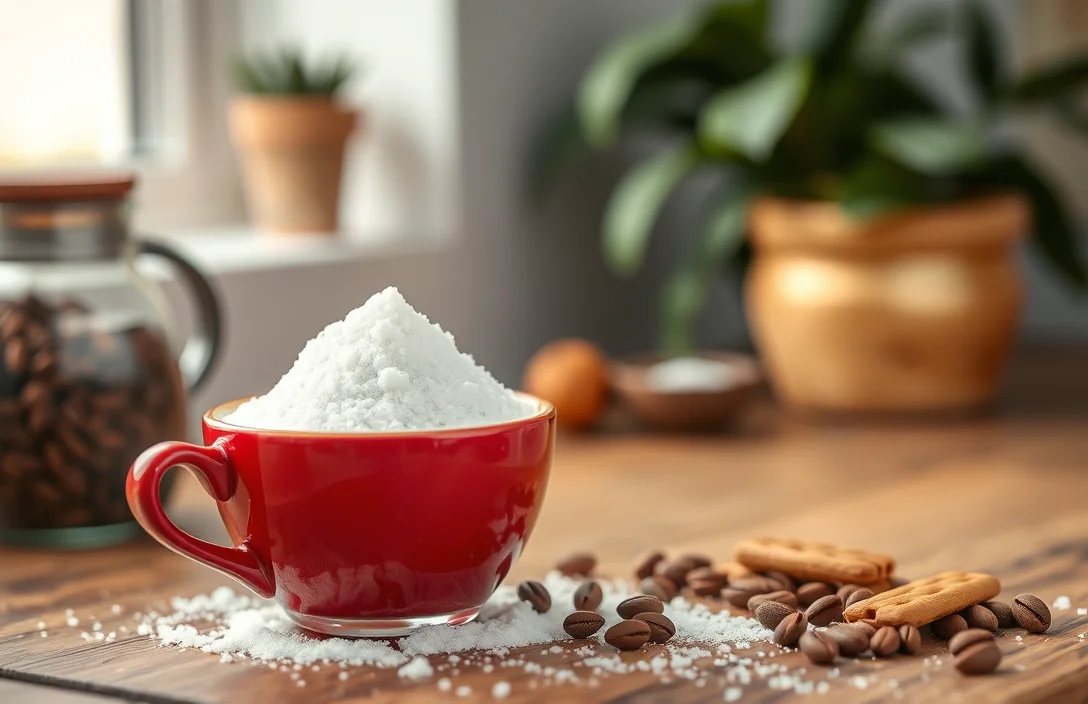
Approximately 12% of coffee drinkers add powdered sugar to their brew, enhancing sweetness without the grit of granulated sugar. This simple adjustment can transform your morning routine, making your coffee experience smoother and more enjoyable.
Many people wonder if they can put powdered sugar in coffee. Yes, you can! It dissolves quickly, providing instant sweetness and a velvety texture without the crunch of regular sugar.
Sweetening Coffee Alternatives
Powdered sugar can enhance coffee flavor. Its fine consistency allows it to dissolve quickly, creating a smoother sweetness in your brew. Unlike granulated sugar, you won’t notice any graininess. When using powdered sugar, start with a small amount and adjust to taste. This method can provide a delightful twist to your daily coffee routine.
Experimenting with powdered sugar leads to unique flavors. Consider pairing it with flavored coffees or adding a dash of cinnamon for added depth. The sweetness can balance out bitterness, especially in dark roasts. Many coffee enthusiasts find that this alternative offers a more refined taste compared to traditional sweeteners.
Versatility makes powdered sugar an appealing option. Use it in cold brews or iced coffees, where instant dissolving is crucial. You can even create whipped coffee by mixing it with instant coffee and hot water, producing a fluffy topping. This technique not only sweetens but also adds a visually appealing element to your drink.
Health considerations are essential when sweetening coffee. While powdered sugar contains fewer calories than some flavored syrups, moderation remains key. Being mindful of added sugars can help maintain a balanced diet. If you’re looking for an alternative sweetener, powdered sugar serves as a delightful choice without overwhelming your coffee experience.
Powdered Sugar vs Granulated Sugar
Powdered sugar dissolves rapidly in coffee. Its fine texture allows it to blend seamlessly, ensuring a smooth sweetness without any graininess. In contrast, granulated sugar may take longer to dissolve, potentially resulting in an uneven sweetness in your drink.
Using powdered sugar can enhance the overall drink experience. Its ability to provide instant sweetness helps achieve a balanced flavor profile. This means you can enjoy a consistently sweet cup of coffee without the wait associated with granulated sugar.
Experimenting with amounts is essential. Start with a small spoonful of powdered sugar and adjust based on your taste preferences. Remember, a little goes a long way, so gradual additions help avoid overpowering your coffee.
Blending techniques enhance the experience. Stirring vigorously or shaking in a sealed container can help incorporate the sugar evenly. This ensures that each sip offers the same delightful sweetness throughout your beverage.
Comparing options can lead to exciting flavors. Different brands of powdered sugar may have subtle variances in sweetness and texture. Trying various products allows you to find the perfect match for your coffee style.
Flavor Profiles of Coffee
Powdered sugar offers unique advantages for enhancing coffee’s flavor. Its fine texture allows for instant dissolution, providing a smooth sweetness without the gritty aftertaste often associated with granulated sugar. This characteristic can elevate the overall coffee experience, especially in beverages where a creamy consistency is desired.
Experimentation plays a crucial role in discovering the perfect sweetness level. Start with a small amount, such as half a teaspoon, and adjust according to personal taste preferences. Blending powdered sugar into hot coffee ensures it integrates seamlessly, resulting in a balanced flavor profile that doesn’t overpower the coffee’s natural notes.
Pairing powdered sugar with specific coffee types can also enhance the experience. For instance, lighter roasts often benefit from its delicate sweetness, while darker roasts may highlight chocolatey undertones. Understanding how different coffees interact with powdered sugar allows for tailored flavor profiles, making each cup uniquely satisfying.
Experiment with additional flavorings alongside powdered sugar, such as vanilla or cinnamon, to create a more complex taste. These combinations can transform an ordinary cup into a delightful treat, catering to various moods and occasions. Enjoying coffee with powdered sugar can be a simple yet effective way to elevate your daily brew.
Health Effects of Sugar
Consuming powdered sugar in coffee can lead to increased calorie intake. Many people underestimate the amount of sugar they add to their beverages. Each teaspoon of powdered sugar contains approximately 16 calories, which can accumulate quickly if you enjoy multiple cups throughout the day.
Excessive sugar consumption contributes to various health issues. Regularly adding powdered sugar may increase the risk of obesity, diabetes, and heart disease. Monitoring sugar intake is essential for maintaining overall health and well-being.
Blood sugar levels can spike after consuming sugary beverages. This effect can lead to energy crashes later, impacting productivity and mood. Opting for moderation is crucial to avoid these fluctuations.
Dental health is also affected by sugar. Bacteria in the mouth feed on sugar, producing acids that can harm tooth enamel. If you enjoy sweetening your coffee, maintaining good oral hygiene should be a priority.
Allergies or sensitivities to sugar can manifest in some individuals. If you notice adverse reactions after consuming powdered sugar in coffee, consider switching to alternatives like natural sweeteners or sugar substitutes.
Mixing Techniques for Sugar
Integrating powdered sugar into your coffee can enhance its sweetness seamlessly. Start by using a small amount, approximately one tablespoon per cup, to avoid overpowering the coffee’s flavor. This sugar dissolves more quickly than granulated sugar, ensuring an even distribution throughout your drink.
Utilizing hot coffee helps the sugar dissolve faster. Pour the coffee into your mug, then add the powdered sugar immediately. Stir vigorously with a spoon or a whisk to ensure it fully blends with the liquid. This method not only sweetens but also creates a smoother texture.
Experimenting with flavors can elevate your coffee experience. Consider mixing flavored powdered sugar, such as vanilla or chocolate, to introduce new dimensions. These variations can complement your beverage while providing a unique taste profile.
Controlling the sweetness level is crucial. Taste your coffee after mixing in the sugar; you can always add more if necessary. This allows you to customize each cup to your liking, ensuring satisfaction with every sip.
Coffee Types That Pair Well
Espresso stands out as an ideal base for incorporating powdered sugar. Its concentrated flavor complements the sweetness, enhancing the overall taste experience. A small amount of powdered sugar dissolves quickly, providing a smooth sweetness without altering the robust character of the espresso.
Cold brew coffee benefits greatly from this sweetener as well. The naturally low acidity and smooth profile of cold brew allow powdered sugar to blend harmoniously, creating a refreshing drink. Adding powdered sugar to cold brew can transform it into a sweet treat, perfect for warm days.
Pour-over coffee also pairs nicely with powdered sugar. The meticulous brewing process extracts nuanced flavors, and the addition of sugar can highlight these notes. A dusting of powdered sugar can enhance the floral and fruity characteristics, making each sip more enjoyable.
Dark roasts typically have bold flavors that can handle the sweetness of powdered sugar effectively. The sugar balances the bitterness, creating a rounded taste profile. Using powdered sugar in a dark roast coffee provides a delightful contrast that many coffee lovers appreciate.
Flavored coffees, such as those infused with vanilla or hazelnut, mix perfectly with powdered sugar. The sweetness amplifies the existing flavors, creating a dessert-like beverage. Just a touch of powdered sugar can elevate these specialty coffees, making them even more indulgent.
Serving Suggestions with Sugar
Experiment with flavored syrups to enhance the sweetness and aroma of your coffee. Combining powdered sugar with syrups like vanilla, caramel, or hazelnut can create a delightful twist. Whisk a teaspoon of powdered sugar into your chosen syrup before adding it to your brew for a comprehensive flavor profile that complements the coffee’s natural notes.
Serve chilled coffee drinks with a sprinkle of powdered sugar on top. Iced coffees or frappés gain an appealing finish when topped with a light dusting of sugar. This not only enhances the visual appeal but also adds a sweet crunch, making each sip more enjoyable.
Pair baked goods with coffee infused with powdered sugar. Pastries, cookies, or cakes served alongside your brew create a cohesive flavor experience. This combination satisfies sweet cravings while allowing the coffee to shine as a complementary element.
Mix powdered sugar into whipped cream for a tasty coffee topping. Whipping cream with powdered sugar creates a fluffy, sweet addition to hot or cold beverages. A dollop on top of your coffee transforms a simple cup into an indulgent treat.
Consider using powdered sugar in coffee cocktails for a unique twist. Blending it with spirits like rum or whiskey can create delicious coffee-based beverages. The sweetness balances the strong flavors, making these cocktails perfect for special occasions or relaxed evenings at home.
Common Coffee Additives
Adding powdered sugar to coffee enhances sweetness without the graininess of granulated options. It dissolves quickly, making it easier to incorporate into hot beverages. This feature allows for smoother blends, ensuring a consistent taste throughout your drink. Many coffee enthusiasts prefer this method for its effectiveness in achieving the desired sweetness level.
Experimenting with different ratios provides personalized flavor profiles. Start by adding a teaspoon to your cup, adjusting according to your preference. Some may find that a little goes a long way, while others enjoy a sweeter brew. Keeping a small container of powdered sugar handy can simplify the sweetening process for daily coffee routines.
Incorporating flavored powdered sugar can introduce unique twists to your coffee. Vanilla, chocolate, or cinnamon flavors can enhance your beverage, transforming an ordinary cup into an extraordinary treat. This approach not only adds sweetness but also brings complexity to your coffee experience.
Mixing powdered sugar with cream or milk creates a delightful froth, further elevating your drink. This combination can yield a café-style beverage right at home, making mornings more enjoyable. Experiment with different milk alternatives for varied tastes and textures, ensuring your coffee remains a delightful daily ritual.
Impact on Coffee Texture
Powdered sugar alters coffee texture significantly. This form of sugar dissolves quickly, preventing any gritty residue that granulated sugar might leave behind. As a result, your coffee achieves a smooth and velvety mouthfeel, enhancing the overall drinking experience.
Creating a consistent blend becomes easier with powdered sugar. Its fine particles integrate seamlessly into hot coffee, ensuring even sweetness without clumping. This uniformity means you enjoy a balanced flavor in every sip, making it a preferred option for many coffee lovers.
Enhancing creaminess can also be achieved by using powdered sugar. It contributes to a lighter texture, making your drink feel richer without adding extra calories. If you’re seeking a decadent coffee experience, this method elevates your brew without overwhelming it with sweetness.
Combining powdered sugar with various creamers enhances the taste profile. The smoothness of powdered sugar complements dairy’s richness, resulting in a luxurious coffee experience. Experimenting with different blends can lead to delightful new flavors that can transform your daily cup.
Ultimately, powdered sugar provides a unique texture that elevates your coffee. Incorporating it into your brew can yield smoother, creamier results that make your coffee enjoyable and satisfying. Consider it as a go-to sweetening choice for your next cup.
Quick Summary
- Powdered sugar can be used as a sweetener in coffee.
- It dissolves more quickly than granulated sugar, providing a smoother sweetness.
- Powdered sugar may contain cornstarch, which can slightly alter the texture of the coffee.
- It is ideal for cold coffee drinks, where quick dissolution is beneficial.
- Experimenting with powdered sugar can add a unique flavor profile to your coffee.
- Consider adjusting the amount based on personal taste preferences.
- Be mindful of the additional calories and sugar content when using powdered sugar.
Frequently Asked Questions
Can I put powdered sugar in coffee?
Yes, you can put powdered sugar in coffee! It dissolves quickly, making it a convenient sweetener for your beverage.
How does powdered sugar differ from granulated sugar in coffee?
Powdered sugar is finely ground and has a smoother texture compared to granulated sugar. This allows it to dissolve more easily, which can create a creamier mouthfeel in your coffee.
Will powdered sugar change the flavor of my coffee?
Powdered sugar will sweeten your coffee, but it may also add a slight creaminess due to the cornstarch often mixed with it. If you’re sensitive to flavors, you might notice this subtle difference.
How much powdered sugar should I use in my coffee?
The amount of powdered sugar you use depends on your personal taste preference. Start with a teaspoon and adjust according to how sweet you like your coffee.
Can I use flavored powdered sugar in my coffee?
Absolutely! Flavored powdered sugars, like vanilla or chocolate, can add an extra layer of taste to your coffee. Just be mindful of the additional sweetness and adjust your coffee accordingly.

- How to Steam Milk With an Espresso Machine: A Complete Beginner’s Guide - October 26, 2026
- How to Backflush an Espresso Machine: A Step-by-Step Cleaning Guide - October 26, 2026
- Is a 20 Bar Espresso Machine Good? Pressure, Performance, and Buying Guide - October 26, 2026