
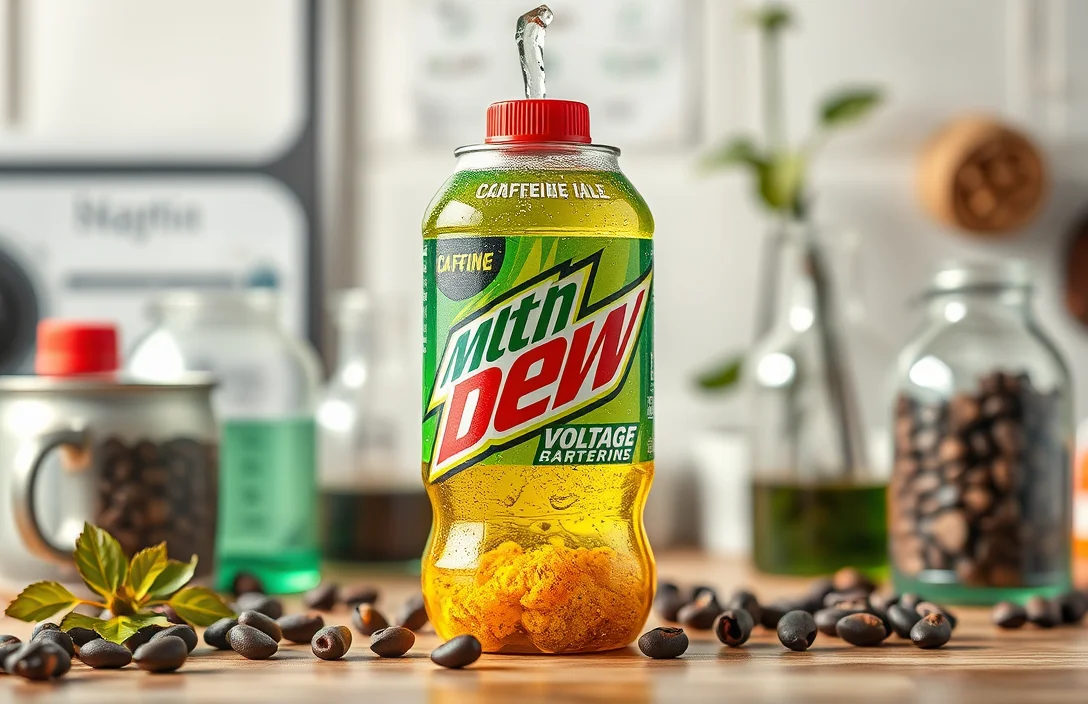
Mountain Dew Voltage contains 91 mg of caffeine per 12-ounce can, making it one of the more energizing soft drinks available. For those seeking a boost, this drink promises a zesty flavor combined with a significant caffeine kick that can enhance your energy levels.
Curious consumers will find that Mountain Dew Voltage offers 91 mg of caffeine, unique flavor with a citrus twist, and potential side effects like jitters or sleep disturbances. Understanding these factors can help you make informed choices about your beverage selection.
Caffeine Content in Mountain Dew Voltage
Mountain Dew Voltage contains 90 milligrams of caffeine per 12-ounce serving. This amount falls within a moderate range, providing a noticeable energy boost without overwhelming your system. For reference, this is roughly equivalent to the caffeine found in a cup of coffee, making it a popular choice among those seeking a quick pick-me-up.
Caffeine serves as a central nervous system stimulant, helping to increase alertness and reduce fatigue. For many, this makes beverages like Mountain Dew Voltage appealing, especially during long study sessions or late-night activities. Understanding how your body responds to this stimulant can help you gauge your ideal intake.
Moderation is key when consuming caffeine. While 90 milligrams may be suitable for most individuals, excessive consumption can lead to side effects such as jitteriness, increased heart rate, or difficulty sleeping. Monitoring your overall caffeine intake from all sources is essential for maintaining balance and energy levels throughout the day.
Comparison with Other Soft Drinks
Mountain Dew Voltage contains 90 mg of caffeine per 12-ounce serving, placing it prominently among popular soft drinks. Comparing it to similar beverages can help you understand its caffeine impact on your energy levels.
- Coca-Cola Classic offers 34 mg of caffeine in a 12-ounce serving. This lower amount may lead to a milder energy boost.
- Pepsi typically has about 38 mg of caffeine in the same serving size, providing a slight increase over Coca-Cola but still less than Voltage.
- Dr. Pepper contains 41 mg of caffeine per 12 ounces, making it a bit more stimulating than Pepsi and Coca-Cola, yet still less than Mountain Dew Voltage.
- Energy drinks like Red Bull deliver around 80 mg of caffeine in an 8.4-ounce can, which is comparable to Voltage but in a smaller volume.
- Monster Energy drinks can have between 80-160 mg of caffeine depending on the variant, significantly surpassing Voltage and impacting energy levels more intensely.
Evaluating these comparisons highlights how Mountain Dew Voltage stands out. Its caffeine content can provide a stronger kick compared to many traditional soft drinks, aligning well with those seeking a noticeable boost in energy.
Health Effects of Caffeine Intake
Caffeine consumption can impact your health in various ways. Moderate intake, typically around 200-400 mg per day, is generally considered safe for most adults. However, exceeding this amount may lead to side effects, including increased heart rate, anxiety, and sleep disturbances. Understanding your personal tolerance is key to enjoying beverages like Mountain Dew Voltage without adverse effects.
Health risks often vary by individual. Some people may experience jitters or digestive issues even at lower levels of caffeine. Monitoring your body’s response is vital, especially if you’re sensitive to stimulants. If you notice discomfort, consider reducing your intake to see if symptoms improve.
Long-term effects of caffeine consumption are still being studied. Some research suggests that regular consumption may reduce the risk of certain diseases, like Parkinson’s and type 2 diabetes. Balancing caffeine intake with other lifestyle factors, such as diet and exercise, can lead to a healthier overall approach.
Consultation with a healthcare provider is advisable if you have specific health concerns or conditions. Pregnant individuals, for example, are advised to limit caffeine due to potential risks. Remaining informed about your beverage choices empowers you to enjoy caffeine safely.
Flavor and Ingredients of Voltage
Voltage’s raspberry-citrus blend masks caffeine bitterness and encourages faster sipping, so you can consume more caffeine before noticing its effects. To control intake, monitor serving size, drink water between cans, and prefer smaller portions. Recognize that the sweet, effervescent profile disguises stimulant intensity—this is the single, practical insight to adjust consumption safely.
Ingredients include caffeine, sugars or sweeteners, citric acid, and natural/artificial raspberry-citrus flavoring that produces the bright berry-citrus aroma. Color additives and preservatives provide shelf stability while carbonation enhances perceived sweetness. A quick reference: caffeine in mountain dew voltage is about 54 mg per 12 fl oz in the U.S., so combine ingredient awareness with serving control to manage stimulant dose.
Caffeine Sensitivity and Tolerance
Caffeine affects everyone differently based on individual tolerance and sensitivity. Some people may experience heightened energy and alertness from beverages like Mountain Dew Voltage, while others may feel jittery or anxious. Recognizing your personal response to caffeine is crucial for making informed beverage choices.
- Identify your sensitivity level. Notice how your body reacts after consuming caffeine. Are you energized or anxious? Understanding your own limits can help you gauge how much caffeine you can handle.
- Monitor consumption patterns. Track the amount of caffeine you consume daily and how it affects your mood and energy. This awareness can guide your choices when selecting beverages.
- Adjust intake based on activity. If you have a busy day ahead, a moderate amount of caffeine may enhance your focus. Conversely, on more relaxed days, you may choose to limit your intake.
- Consult with a health professional. If you’re unsure about your caffeine tolerance or experience adverse effects, seeking advice from a healthcare provider can provide personalized guidance.
- Experiment with different beverages. Trying various drinks can help you discover which options provide the best balance of flavor and energy without negative side effects.
Recommended Daily Caffeine Levels
Staying within safe caffeine limits is essential for maintaining energy without negative side effects. The general recommendation is to limit daily caffeine intake to about 400 milligrams for most adults. For teenagers, a lower limit of around 100 to 200 milligrams is advisable to avoid overstimulation and potential health issues.
- Monitor your intake closely. Track how much caffeine you consume from various sources, including Mountain Dew Voltage and other beverages. This helps ensure you remain within recommended levels.
- Consider your body weight. Individual tolerance to caffeine can vary significantly. A person’s weight can influence how caffeine affects them, so adjust your consumption accordingly.
- Avoid excessive consumption before bedtime. Caffeine can disrupt sleep patterns, leading to fatigue and decreased focus during the day. Aim to stop consuming caffeine at least six hours before sleep.
- Listen to your body’s signals. If you experience jitters, increased heart rate, or anxiety, reduce your intake. Recognizing these signs is crucial for maintaining overall well-being.
- Stay hydrated with water. Consuming caffeine can lead to dehydration, so balance your intake with plenty of water throughout the day to support optimal health.
Consumer Trends and Preferences
Survey data indicates consumers increasingly prefer beverages with clear caffeine content information. Transparency in labeling helps individuals make informed choices about their caffeine intake. As health consciousness rises, many are opting for drinks that provide energy without excessive sugar or artificial additives.
Market analysis shows that younger consumers gravitate towards brands that offer unique flavors and functional benefits. Mountain Dew Voltage, with its distinctive taste and moderate caffeine levels, appeals to those seeking an energy boost while enjoying a refreshing beverage. This trend reflects a desire for variety alongside energy-enhancing options.
Research highlights a growing interest in beverages that combine caffeine with other health-focused ingredients. Many enthusiasts are exploring drinks enriched with vitamins or natural extracts, seeking not just energy but also added health benefits. Brands that adapt to these preferences will likely capture more market share.
Overall, consumer preferences are shifting towards drinks that balance taste, energy, and health benefits. By staying informed about these trends, individuals can make better beverage choices that align with their lifestyle and health goals. Being proactive about understanding caffeine levels in drinks like Mountain Dew Voltage can support those goals effectively.
Quick Summary
- Mountain Dew Voltage contains approximately 91 mg of caffeine per 12 fl oz serving.
- It is a citrus-flavored soda with a unique blend of raspberry and ginseng.
- The caffeine content is similar to other energy drinks and some sodas in the market.
- Voltage is marketed as a refreshing beverage ideal for boosting energy levels.
- It is often consumed by those looking for an energy boost, especially among younger demographics.
- Mountain Dew Voltage is a part of the Mountain Dew brand’s line of flavored sodas.
- It is available in various packaging, including cans and bottles.
Frequently Asked Questions
1. How much caffeine is in Mountain Dew Voltage?
Mountain Dew Voltage contains about 91 milligrams of caffeine per 12-ounce can. This amount can provide a noticeable energy boost, especially for those who are sensitive to caffeine.
2. How does caffeine affect my energy levels?
Caffeine is a stimulant that can increase alertness and reduce fatigue. It works by blocking adenosine, a neurotransmitter that promotes sleep, which can help you feel more awake and focused.
3. Are there any side effects of consuming Mountain Dew Voltage?
While many people enjoy Mountain Dew Voltage without issues, some may experience side effects like jitteriness, anxiety, or insomnia, especially if consumed in large amounts. It’s important to be mindful of your overall caffeine intake.
4. Is Mountain Dew Voltage a good choice for staying awake while studying?
Mountain Dew Voltage can help you stay awake due to its caffeine content, making it a popular choice among students. However, it’s best to consume it in moderation and pair it with healthy snacks for sustained energy.
5. Can I drink Mountain Dew Voltage every day?
While it’s fine to enjoy Mountain Dew Voltage occasionally, daily consumption may lead to negative side effects from excessive caffeine intake. Moderation is key to enjoying your favorite beverages while maintaining good health.

- Unlocking the Venti: Discover the Perfect Shot Count for Your Drink - October 13, 2026
- Unpacking the Buzz: Caffeine Levels in Café Bustelo Espresso - October 13, 2026
- How to Fix Bitter Coffee: 10 Expert Ways to Improve the Taste - October 4, 2026