
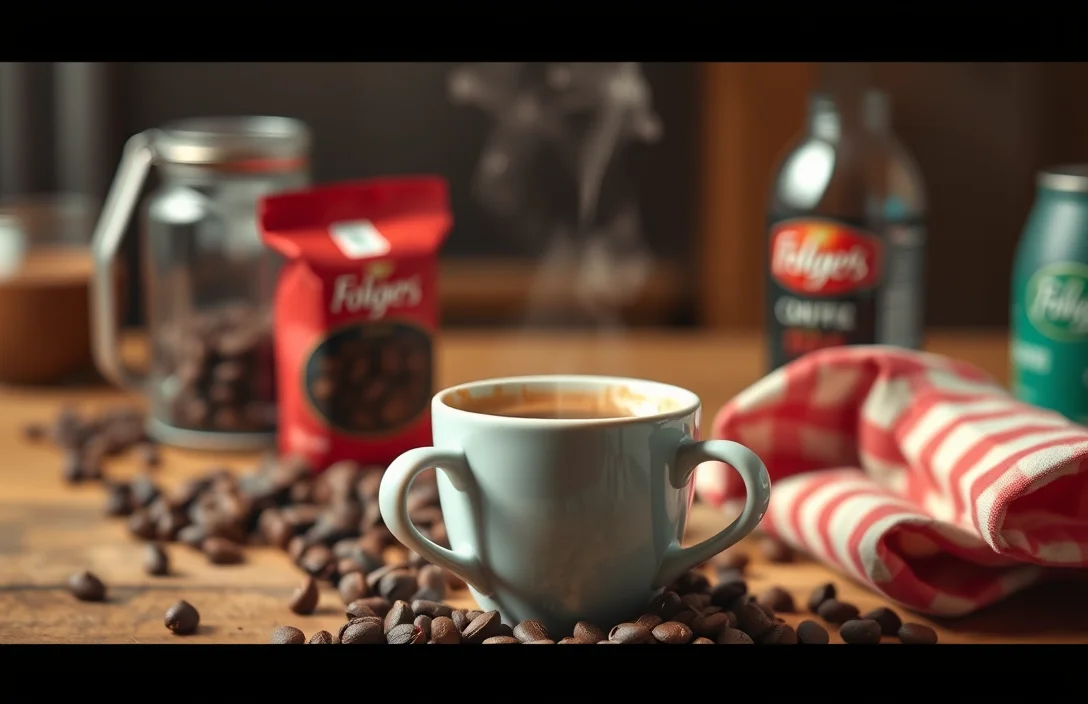
Folgers coffee contains about 95 milligrams of caffeine per 8-ounce cup, making it a popular choice for those seeking a quick energy boost. This amount can vary slightly depending on the specific blend and brewing method, but it remains consistent across many types.
Curiosity about caffeine in Folgers coffee leads to key points such as its average caffeine content, comparison with other brands, and impact on health. Understanding these aspects helps consumers make informed choices about their coffee consumption.
Caffeine Levels in Folgers Varieties
Caffeine content varies significantly among Folgers coffee products. The exact amount of caffeine largely depends on the specific blend and roast level. Folgers offers a range of options, including Classic Roast, Colombian, and Decaf, each with distinct caffeine profiles.
Classic Roast contains approximately 100 milligrams of caffeine per 8-ounce cup, making it a popular choice for those seeking a moderate energy boost. Colombian, known for its rich flavor, has similar caffeine levels, around 100-120 milligrams per cup, appealing to both flavor lovers and caffeine enthusiasts.
Decaf coffee, in contrast, contains significantly less caffeine, averaging about 3-5 milligrams per 8-ounce serving. This option suits individuals who enjoy the taste of coffee but want to limit their caffeine intake. For those seeking a stronger kick, Folgers also offers French Roast, which may contain slightly higher levels, depending on brewing methods.
Instant coffee products from Folgers typically have lower caffeine levels than brewed varieties. An 8-ounce serving of Folgers Instant Coffee provides around 30-60 milligrams of caffeine. Understanding these variations helps consumers make informed choices based on their caffeine preferences and dietary needs.
Impact of Brewing Methods on Caffeine
Brewing methods significantly influence caffeine extraction from coffee grounds. Different techniques affect the caffeine content in your cup, making understanding them essential for maximizing your intake. Various methods can yield differing amounts of caffeine, even when using the same coffee blend. Here are key brewing methods and their impacts:
- Espresso brewing extracts caffeine effectively. This method uses high pressure to force hot water through finely-ground coffee, resulting in a concentrated shot containing more caffeine per ounce than standard brewing methods.
- French press coffee steeping allows for full extraction. By immersing coarsely ground coffee in hot water for several minutes, the process ensures that caffeine and oils are thoroughly released into the brew.
- Drip coffee makers provide moderate caffeine levels. Water flows over coffee grounds in a filter, extracting caffeine gradually, which typically results in a milder cup compared to espresso and French press methods.
- AeroPress method combines pressure and immersion. It creates a strong coffee with higher caffeine concentration by forcing hot water through coffee grounds quickly, similar to espresso but with a different flavor profile.
- Cold brew coffee contains less caffeine. Although steeping coarsely ground coffee in cold water for an extended period results in a smooth flavor, the final product often has lower caffeine levels due to the cold extraction process.
Health Effects of Caffeine Consumption
Regular consumption of caffeine can lead to both positive and negative health outcomes. Moderate intake, such as from Folgers coffee, can improve alertness, enhance mood, and may even lower risks of certain diseases. Studies suggest that 3 to 4 cups daily may be optimal for cognitive benefits while minimizing adverse effects.
Excessive caffeine intake, however, may result in increased heart rate, anxiety, and sleep disturbances. Individuals sensitive to caffeine should monitor their consumption closely, as reactions can vary widely. Recognizing personal tolerance is crucial for maintaining well-being.
Pregnant individuals must exercise caution with caffeine. Research indicates that high levels can affect fetal development, leading to recommendations for reduced intake during pregnancy. Staying informed about caffeine levels in beverages like Folgers can aid in making healthier choices.
Long-term consumption studies have shown that moderate caffeine intake might offer protective effects against certain neurodegenerative diseases. Many researchers highlight its potential role in reducing the risk of Alzheimer’s and Parkinson’s disease, making it an interesting topic for further exploration.
Balancing caffeine consumption with hydration is essential. Coffee, including Folgers, can contribute to daily fluid intake, yet it’s important to drink water throughout the day to prevent dehydration. Mindful consumption can lead to a healthier relationship with this popular beverage.
Comparative Analysis with Other Coffee Brands
Folgers coffee typically contains about 95 mg of caffeine per 8-ounce cup. This level is fairly average compared to other popular brands. For consumers, knowing how Folgers stacks up against competitors can aid in making informed choices about their coffee consumption.
Starbucks brewed coffee generally has a higher caffeine content, ranging from 150 to 300 mg per 8-ounce serving. Dunkin’ coffee also sees elevated levels, averaging around 120 mg. These figures indicate that if you seek a stronger kick, alternatives exist beyond Folgers.
| Brand | Caffeine (mg per 8 oz) |
| Folgers | 95 |
| Starbucks | 150-300 |
| Dunkin’ | 120 |
| Peet’s Coffee | 150 |
Comparatively, Peet’s Coffee offers caffeine levels similar to Starbucks, providing options for those who appreciate a robust brew. Brands like McDonald’s McCafe average around 100 mg, slightly above Folgers, making it another contender for those seeking moderate caffeine.
Assessing personal preferences becomes essential. If you enjoy Folgers, but want a higher caffeine boost, exploring blends from brands like Peet’s or Starbucks can be worthwhile. Ultimately, knowing these differences allows consumers to tailor their coffee choices to their caffeine needs.
Decaf Options in Folgers Coffee Lineup
Folgers offers several decaffeinated options to cater to those who enjoy coffee without the caffeine buzz. Their decaf varieties include classic ground coffee and single-serve pods, designed to maintain the rich flavor profile that Folgers is known for. These products provide a satisfying alternative for coffee lovers seeking a nighttime brew or a milder daytime option.
Ground decaf coffee is available in several blends, including the popular Folgers Classic Decaf. This option delivers a balanced taste that mimics the richness of regular coffee while being significantly lower in caffeine. Consumers can enjoy a cup without jitters, making it ideal for sensitive drinkers.
Single-serve pods also feature decaffeinated options, perfect for those who prefer convenience. Folgers’ decaf K-Cups allow for quick brewing and easy cleanup, making them suitable for busy mornings or relaxed afternoons. These pods maintain the same quality and flavor as their ground counterparts.
Blends vary, giving consumers choices tailored to their specific taste preferences. Whether opting for a smooth medium roast or a darker blend, Folgers ensures that everyone can find a decaf option that satisfies their coffee cravings. This variety helps people incorporate decaf choices into their daily routines effortlessly.
Daily Caffeine Intake Recommendations
Healthy adults should cap caffeine intake near 400 mg per day to minimize anxiety, palpitations, and sleep problems; pregnant people should limit to about 200 mg daily, and those with hypertension or high sensitivity should aim lower (around 150–300 mg) or consult a clinician. Count all sources and avoid consuming caffeine within six hours of bedtime.
- Estimate daily sources from all beverages and foods before setting a personal cap to ensure total intake stays within recommended limits.
- Limit caffeine to morning and early afternoon to protect sleep quality; avoid intake within six hours of your usual bedtime.
- Adjust personal cap downward if you experience jitters, rapid heartbeat, insomnia, or if you are pregnant; seek clinician guidance for exact limits.
- Track labeled amounts and brand contributions; include brewed containers in your total—for example, caffeine in Folgers coffee should be counted toward your daily allowance.
- Consult your clinician about interactions with medications, pregnancy, cardiovascular conditions, or anxiety disorders before changing habitual intake.
Serving Sizes and Caffeine Calculation
Calculating caffeine content in Folgers coffee depends on serving sizes. Typically, an 8-ounce cup contains approximately 95 milligrams of caffeine. Knowing your serving size helps manage daily intake and maintain awareness of how much caffeine you consume over time.
- Measure the coffee grounds accurately. Use 1 to 2 tablespoons of ground coffee per 6 ounces of water for optimal flavor and caffeine extraction.
- Adjust the water volume. Increasing the water while keeping coffee constant will dilute caffeine content, while reducing water concentrates caffeine levels.
- Track your consumption. Keep a log of how many cups you drink each day. This helps you stay within the recommended limits and monitor sensitivity to caffeine.
- Consider brew method. Different brewing techniques, like French press or drip coffee, affect caffeine levels. Experimenting can help find your preferred balance.
- Be aware of decaf options. If cutting back, opt for decaffeinated varieties, which still contain some caffeine but significantly less than regular coffee.
Monitoring portion sizes and brewing methods will ensure you enjoy your coffee while staying informed about the caffeine in Folgers coffee. Adjusting these factors can help tailor your coffee experience to your preferences and health goals.
Quick Summary
- Folgers coffee contains varying levels of caffeine depending on the blend and brewing method.
- A standard 8-ounce cup of Folgers coffee typically contains about 95 mg of caffeine.
- Dark roasts generally have slightly less caffeine than light roasts due to the roasting process.
- The caffeine content can also be affected by the grind size and brewing time.
- Instant Folgers coffee tends to have lower caffeine levels compared to brewed coffee.
- Folgers offers decaffeinated options, which contain about 3 mg of caffeine per cup.
- Overall, Folgers coffee provides a reliable source of caffeine for coffee drinkers looking for an energy boost.
Frequently Asked Questions
How much caffeine is in Folgers coffee?
The caffeine content in Folgers coffee varies by blend and brewing method, but generally, an 8-ounce cup contains about 80 to 100 milligrams of caffeine. Light roasts tend to have slightly more caffeine than dark roasts due to the roasting process.
Does Folgers coffee contain more caffeine than other brands?
Folgers coffee typically has a caffeine content similar to other mass-market coffee brands. However, specific blends and brewing techniques can affect the final caffeine concentration, so it’s best to compare specific products for an accurate comparison.
Is Folgers coffee considered strong in caffeine?
Folgers coffee is generally regarded as medium-strength in terms of caffeine. If you are looking for a stronger option, consider their “Black Silk” blend or other brands that offer high-caffeine coffee varieties.
How does the brewing method affect caffeine in Folgers coffee?
The brewing method can significantly impact the caffeine content in your cup of Folgers coffee. For instance, using a French press or drip coffee maker typically extracts more caffeine than instant coffee or cold brew methods.
Can I reduce the caffeine in my Folgers coffee?
Yes, you can reduce the caffeine content by choosing decaffeinated Folgers coffee or adjusting your brewing time and coffee-to-water ratio. Using less coffee or brewing for a shorter period can also lower the caffeine level in your cup.

- Unlocking the Venti: Discover the Perfect Shot Count for Your Drink - October 13, 2026
- Unpacking the Buzz: Caffeine Levels in Café Bustelo Espresso - October 13, 2026
- How to Fix Bitter Coffee: 10 Expert Ways to Improve the Taste - October 4, 2026