
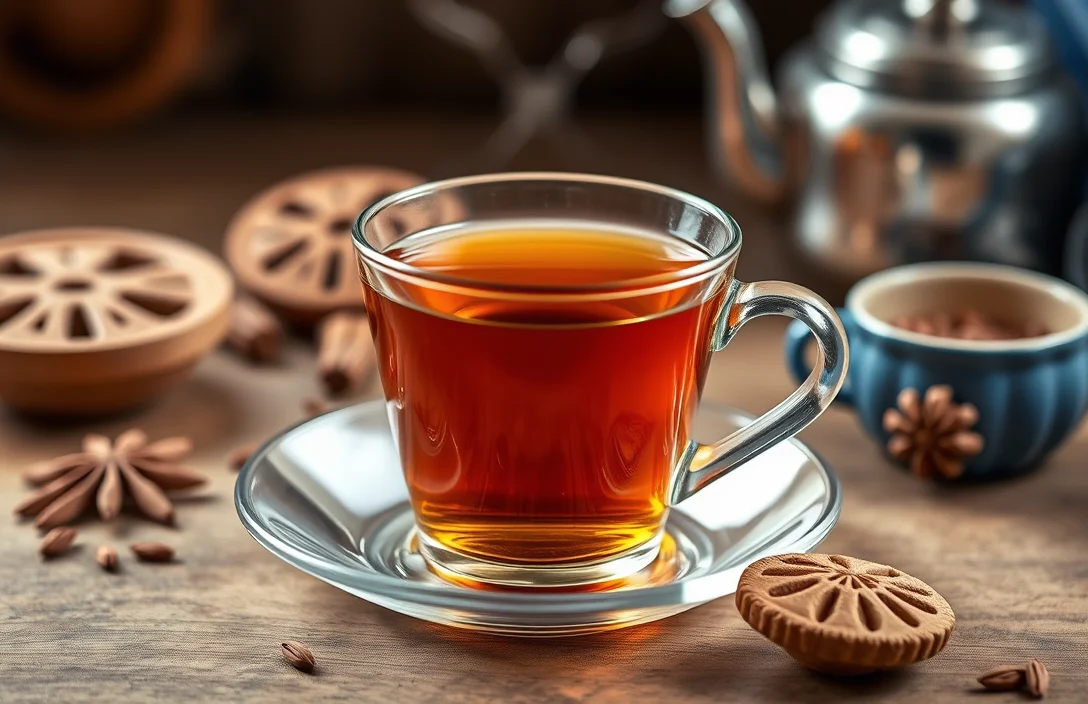
Darjeeling tea contains approximately 30-60 milligrams of caffeine per cup, making it a delightful choice for those seeking a moderate caffeine boost. This amount varies based on factors like brewing time and tea type, positioning Darjeeling as a unique option in the tea landscape.
Key points include: Darjeeling tea offers 30-60 mg of caffeine per cup, influenced by brewing time and tea variety. This moderate caffeine content provides a gentle energy lift without overwhelming effects.
Caffeine Levels in Darjeeling Tea
Caffeine content varies significantly among different types of tea, and Darjeeling is no exception. Generally, a cup of Darjeeling tea contains about 40-70 mg of caffeine per 8 oz serving. This amount makes it milder in caffeine compared to other black teas, yet still provides a noticeable boost.
Quality influences caffeine levels considerably. Higher-grade Darjeeling teas, often made from younger leaves, tend to have more caffeine than lower grades. Factors like the season of harvest and specific tea varieties also play a role in determining the exact caffeine content.
Brewing time and water temperature are critical as well. Longer steeping times and hotter water can extract more caffeine from the leaves. For those seeking a moderate caffeine intake, adjusting these variables can tailor the experience to personal preference.
Comparative Analysis with Other Teas
Caffeine levels in various teas differ significantly. Darjeeling tea generally contains 40-70 mg of caffeine per 8 oz cup, which places it between green and black teas. Understanding these variations helps consumers make informed choices based on their caffeine preferences.
Black teas typically have the highest caffeine content, ranging from 60-90 mg per 8 oz. Assam and English Breakfast, for instance, fall into this category. Comparing these figures with Darjeeling tea illustrates its moderate caffeine profile, making it suitable for those who seek a balanced energy boost without excessive stimulation.
| Type of Tea | Caffeine Content (mg per 8 oz) |
|---|---|
| Darjeeling Tea | 40-70 |
| Black Tea | 60-90 |
| Green Tea | 20-45 |
| White Tea | 30-55 |
Green teas contain lower caffeine levels, averaging 20-45 mg, appealing to those sensitive to caffeine. White tea, another gentle option, delivers about 30-55 mg, making it comparable to Darjeeling tea. Consumers can choose based on personal tolerance and desired effects.
Health Benefits Associated with Caffeine
Increased alertness and focus result from caffeine consumption. This stimulant enhances cognitive function, making tasks easier to manage. Many individuals experience improved concentration and quicker reaction times after consuming caffeinated beverages, including Darjeeling tea. These benefits make it a popular choice for those needing a mental boost during busy days.
Research highlights caffeine’s role in enhancing physical performance. Athletes often consume it to improve endurance and reduce perceived effort during exercise. Regular consumption can lead to better workout results, assisting individuals in achieving their fitness goals more effectively. This effect is particularly noticeable in those who also enjoy the unique flavor of Darjeeling tea.
Antioxidant properties of caffeine contribute to overall health. Compounds found in tea, including catechins, help combat oxidative stress in the body. These antioxidants may lower the risk of chronic diseases, making Darjeeling tea a beneficial option for health-conscious individuals. Regular consumption supports a balanced diet while providing a flavorful experience.
Heart health can also benefit from moderate caffeine intake. Some studies indicate that it may lower the risk of heart disease and stroke when consumed in moderation. Drinking Darjeeling tea can be a delicious way to include caffeine in a heart-healthy lifestyle, promoting cardiovascular wellness.
Brewing Methods Influence Caffeine Levels
Brewing techniques significantly impact caffeine extraction in Darjeeling tea. Different methods can lead to varying caffeine levels, affecting your overall experience. Understanding these methods allows tea enthusiasts to customize their brews for desired caffeine content.
- Steeping time directly influences caffeine. Longer steeping times result in more caffeine release. Aim for 3-5 minutes for a balanced flavor and caffeine level.
- Water temperature plays a crucial role. Hotter water extracts caffeine more efficiently. For Darjeeling tea, use water around 190°F (88°C) to optimize extraction without compromising flavor.
- Tea leaf size matters significantly. Smaller leaf particles expose more surface area, increasing caffeine extraction. Use loose-leaf tea for the best results, as it often brews more effectively than tea bags.
- Water quality can affect caffeine content. Use filtered water to enhance the taste and extraction process. Tap water with strong flavors or chlorine may hinder the overall quality of your brew.
- Tea-to-water ratio impacts the caffeine level. A higher ratio of tea leaves to water boosts caffeine content. For a stronger brew, consider using 2-3 grams of tea per ounce of water.
Factors Impacting Caffeine Content
Climate significantly affects caffeine levels in tea leaves. Darjeeling, grown in high-altitude regions with cooler temperatures, tends to produce leaves with varying caffeine concentrations. Cooler climates slow down the growth of tea plants, influencing their chemical composition, including caffeine. Consequently, the specific location and weather patterns can lead to differences in caffeine content among different batches.
Plant maturity also plays a crucial role. Younger leaves typically contain higher caffeine levels compared to older, more mature leaves. During the first harvests, which occur in spring, the tender buds and young leaves are picked. These early harvests usually yield teas with increased caffeine content, while later harvests may produce milder brews.
Processing methods are essential in determining caffeine levels as well. Darjeeling tea undergoes unique processing techniques, such as withering, rolling, and oxidation, which can vary among producers. Different levels of oxidation can alter the final caffeine concentration. Thus, the specific choices made during processing directly influence the caffeine content of the final product.
Varietals of the tea plant also impact caffeine levels. The Camellia sinensis species, from which Darjeeling tea is derived, has different cultivars. Certain cultivars naturally produce more caffeine than others. Therefore, the choice of tea plant varietal can lead to significant variations in caffeine concentration.
Decaffeinated Options for Tea Lovers
Numerous decaffeinated Darjeeling tea options exist for those seeking lower caffeine intake. Look for brands that specifically label their products as decaffeinated. These teas undergo a process to remove most caffeine while retaining the distinct flavors characteristic of Darjeeling.
Several methods can decaffeinate tea, with the carbon dioxide method being the most effective. This technique preserves flavor and aroma better than other methods, ensuring that the tea remains enjoyable. Seek out brands that use this process for the best quality.
Retailers offer various decaffeinated blends, including traditional black and green options. Specialty tea shops often provide high-quality selections, while larger grocery stores may have more mainstream brands. Always check the packaging for details on the decaffeination method used.
Online sellers frequently stock unique blends and limited-edition decaffeinated Darjeeling teas. Explore different websites to find exclusive options that might not be available locally. Reading reviews can also help identify favored brands.
Engaging with tea communities online can provide recommendations and insights into popular decaffeinated options. Many enthusiasts share their experiences and preferences, helping you make informed choices. Joining forums or social media groups can enhance your knowledge and enjoyment of tea.
Caffeine Sensitivity and Consumer Awareness
Caffeine affects everyone differently, making awareness essential. Individual sensitivity to caffeine can lead to varying reactions, from mild alertness to heightened anxiety. Recognizing your personal tolerance will help you choose the right beverage, ensuring an enjoyable experience without adverse effects.
- Assess your personal tolerance levels. Tracking how your body reacts to caffeine can provide insights into how much you can comfortably consume.
- Monitor symptoms after consumption. Pay attention to any side effects such as jitters, insomnia, or increased heart rate, which indicate sensitivity.
- Experiment with different tea types. Trying various options, such as Darjeeling or other blends, can help you determine which ones suit your tolerance best.
- Consult a healthcare professional if needed. If you experience severe reactions, discussing your caffeine intake with a doctor can help identify underlying issues.
- Educate yourself on caffeine sources. Recognizing where caffeine is present, from teas to chocolates, will allow for better management of your overall intake.
Awareness of caffeine sensitivity is key. By understanding your own limits and making informed choices, you can enjoy the benefits of beverages like Darjeeling tea without unwanted side effects.
Quick Summary
- Darjeeling tea contains moderate levels of caffeine compared to other teas.
- Typically, Darjeeling tea has about 30-70 mg of caffeine per 8 oz cup.
- The caffeine content can vary based on the type of Darjeeling tea (black, green, or oolong).
- Factors such as brewing time, water temperature, and tea leaf size can influence caffeine levels.
- Darjeeling tea’s unique flavor profile is complemented by its caffeine content, providing a gentle energy boost.
- For those sensitive to caffeine, it’s advisable to monitor intake when consuming Darjeeling tea.
- Overall, Darjeeling tea offers a balanced caffeine experience suitable for tea enthusiasts.
Frequently Asked Questions
1. How much caffeine is typically found in Darjeeling tea?
Darjeeling tea generally contains about 30-50 mg of caffeine per 8-ounce cup. This amount can vary based on factors such as the specific tea leaves used and the brewing time.
2. How does the caffeine content in Darjeeling tea compare to other teas?
Darjeeling tea has a moderate caffeine content, which is lower than black tea (40-70 mg) but higher than green tea (20-45 mg). It provides a gentle energy boost without the jitters often associated with higher caffeine beverages.
3. Does the brewing method affect the caffeine level in Darjeeling tea?
Yes, the brewing method can significantly influence the caffeine content. Longer steeping times and hotter water temperatures tend to extract more caffeine from the leaves, resulting in a stronger cup.
4. Is Darjeeling tea suitable for those sensitive to caffeine?
For individuals sensitive to caffeine, Darjeeling tea can still be enjoyed in moderation. Its caffeine content is lower than some other teas, but it’s best to monitor personal tolerance levels when consuming.
5. Can I find decaffeinated Darjeeling tea?
Yes, decaffeinated versions of Darjeeling tea are available for those who wish to enjoy its flavor without the caffeine. However, the decaffeination process may alter the taste slightly compared to the regular variety.

- Unlocking the Venti: Discover the Perfect Shot Count for Your Drink - October 13, 2026
- Unpacking the Buzz: Caffeine Levels in Café Bustelo Espresso - October 13, 2026
- How to Fix Bitter Coffee: 10 Expert Ways to Improve the Taste - October 4, 2026