
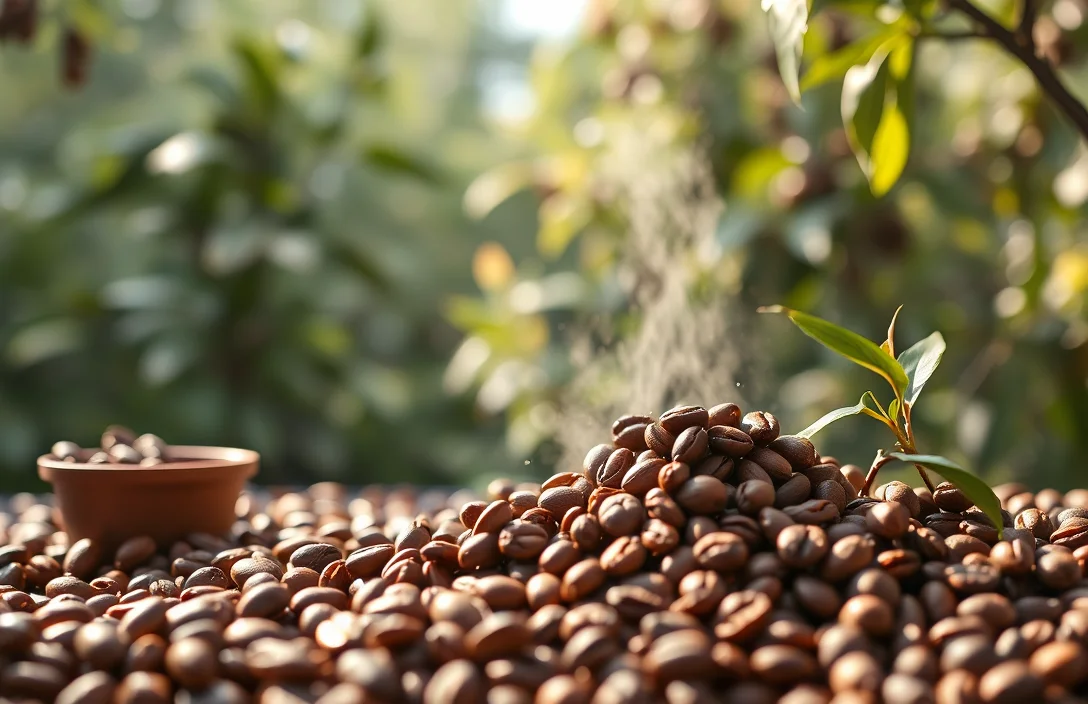
Over 80% of the world’s population consumes coffee, yet many don’t realize that coffee beans are indeed natural products, originating from the fruit of the Coffea plant. Understanding their natural status can enhance appreciation for this beloved beverage.
Essentially, coffee beans are the seeds of the coffee cherry, making them a natural agricultural product. While some beans undergo processing and roasting, their origin remains rooted in nature.
Origins of Coffee Beans and Their Natural Habitat
Ethiopia’s highlands produce Coffea arabica seeds in wild forest settings, where shrubs grow in moist montane zones between roughly 1,200–2,200 meters elevation. Coffea genus originated in tropical Africa and nearby islands like Madagascar, with naturally occurring populations in understory habitats. Beans are the seeds inside coffee cherries produced by wild trees long before human cultivation.
Arabica favors higher elevations and cooler temperatures, typically 1,200–2,200 m and about 15–24°C, while Coffea canephora (Robusta) evolved in lowland Central and West African forests around 200–800 m and tolerates 24–30°C and more humid conditions. Asking “are coffee beans natural” can be answered: beans are botanical seeds from wild Coffea species with distinct native ranges prior to human modification.
Cultivation Techniques and Their Impact
Shade-grown systems preserve native biodiversity and maintain more natural development in coffee cherries; retaining canopy trees moderates microclimate and supports beneficial insects, birds, and soil organisms. Aim for 40–60% canopy cover, interplant native shade species, avoid clear-cutting, and schedule selective pruning so cherries mature slowly and ecological processes remain intact—practical steps that keep beans closer to their natural form.
Farmers should prioritize natural pest control methods: encourage predatory birds, install pheromone traps, plant repellant companion crops, and apply botanical treatments only when thresholds exceed economic injury levels. Monitor pest sliding-scale thresholds and maintain diverse plant layers to interrupt pest cycles. Use mulching and cover crops to improve soil biology rather than synthetic pesticides that alter bean development and surrounding ecology.
Inspect origin labels and ask producers specific questions: percentage of canopy cover, harvest method (hand-picked preferred), compost use, and frequency of synthetic input applications. Prioritize farms reporting 40–60% shade, selective harvesting, and compost-based soil management. If you wonder are coffee beans natural, favor beans from minimal-intervention, agroforestry systems to maximize ecological integrity and natural characteristics.
Differences Between Organic and Conventional Coffee
Organic certification means producers avoid synthetic pesticides and fertilizers, which reduces chemical residues and supports soil microbe recovery and pollinator habitat; expect lower yields and higher farmgate prices. When consumers ask “are coffee beans natural”, certified organic indicates minimal synthetic inputs during cultivation, though post-harvest processing and roasting still change bean chemistry.
Conventional farms rely on synthetic agrochemicals to raise yields, enable mechanized management, and lower consumer cost; those inputs can leave trace residues, alter soil biology, and require careful worker safety protocols. For practical buying, prioritize transparent brands, check origin reports, and balance budget against your exposure preferences.
Check certification seals and origin codes on packaging; USDA Organic, EU Organic, and specific third-party logos confirm compliance. Ask retailers about farm-level practices if you need near-zero synthetic use, and consider small-batch roasters who disclose traceability for the cleanest cultivation pathways.
Processing Methods and Natural Integrity
Natural-process (dry) methods preserve most of the coffee cherry’s sugars, oils and volatile compounds, so beans retain more of their original fruit-derived chemistry and aroma; if you ask are coffee beans natural, the processing choice is the biggest determinant. Expect brighter, fruit-forward profiles and higher defect risk from inconsistent drying; handle carefully during sorting and storage.
Washed methods remove mucilage rapidly, producing cleaner cup clarity and fewer fruity volatiles; that lowers the ‘natural’ fruit character and reduces fermentation risk when processing is controlled. Honey and pulped-natural processes sit between those extremes, retaining some sugars while reducing skin contact. Seek processing labels (natural, washed, honey), ask roasters about drying times, and adjust roast profiles accordingly for best balance.
Pesticide Use in Coffee Production
Inspect lab-tested pesticide residue levels before buying beans because chemical use directly affects whether beans can be considered natural; systemic insecticides and fungicides can persist through harvest and processing, leaving measurable residues. Prefer suppliers who publish residue test results or carry recognized organic certification, and avoid single-source claims without third-party verification.
Request organic certification and up-to-date lab reports from roasters or sellers before assuming natural status; if reports show residues above local maximum residue limits (MRLs), discard that supplier. Use the full phrase ‘are coffee beans natural’ only as a focused research query when reviewing vendor claims, and choose certified low-residue lots to align with natural-bean expectations.
Sustainable Practices in Coffee Cultivation
Adopt shade-grown agroforestry to protect soil, biodiversity, and preserve bean quality and natural flavor. Plant diverse native shade trees, aim for 30–60% canopy cover, retain leaf litter, and add compost to rebuild organic matter. Reduce synthetic inputs, encourage predatory insects with habitat strips, and pursue organic or Rainforest Alliance certification to document sustainable methods that preserve beans’ natural characteristics.
Consumer Perceptions of Natural Coffee
Consumers often associate natural coffee with minimal processing and organic farming methods. This perception influences their purchasing decisions significantly. They look for certifications and labels that indicate the coffee is sourced responsibly and without synthetic chemicals. Understanding these factors helps in grasping the overall market sentiment towards coffee’s natural status.
- Transparency in sourcing matters greatly. Brands that disclose their sourcing methods often gain consumer trust. Knowing where the beans come from contributes to the perception of authenticity.
- Organic certifications provide reassurance. Shoppers frequently seek out labels like USDA Organic, which signify that no harmful pesticides were used in the cultivation process. This aligns with their preference for natural goods.
- Flavor profiles play a critical role. Many consumers believe that naturally processed beans yield more complex and authentic flavors. This belief enhances their appreciation for what they perceive as natural coffee.
- Brand storytelling significantly impacts perceptions. Companies that share their journey, including farmer partnerships and sustainable practices, resonate more with consumers. Engaging narratives foster a connection that enhances the idea of natural origins.
- Consumer education is essential. Providing information about coffee cultivation and processing methods can help demystify the natural status of coffee beans. Knowledgeable consumers are more likely to make informed choices.
Quick Summary
- Coffee beans are the seeds of the Coffea plant, which is a natural flowering plant.
- They grow in tropical and subtropical climates, requiring specific conditions for cultivation.
- The beans undergo several processing steps, including harvesting, fermenting, and roasting, before reaching consumers.
- While the plants are natural, some coffee production methods may involve artificial fertilizers and pesticides.
- Organic coffee is grown without synthetic chemicals, emphasizing a more natural approach to cultivation.
- Environmental factors such as soil quality and climate significantly affect the flavor and quality of coffee beans.
- Overall, while coffee beans originate from a natural source, their journey to market can involve both natural and artificial processes.
Frequently Asked Questions
Are coffee beans natural?
Yes, coffee beans are natural as they come from the coffee plant. The beans themselves are the seeds found inside the coffee cherries, which grow on coffee trees.
Are all coffee beans organic?
No, not all coffee beans are organic. Organic coffee is grown without synthetic fertilizers or pesticides, while conventional coffee may be treated with these substances during cultivation.
How are coffee beans processed after harvesting?
After harvesting, coffee beans undergo processing, which typically involves removing the cherry’s outer layers, fermenting, washing, and then drying the beans. This process can vary based on the method used, such as wet or dry processing.
Do coffee beans contain any additives?
Pure coffee beans do not contain additives; however, flavored coffee beans may have added flavorings or oils. It’s essential to check the packaging to ensure you’re getting pure coffee if that’s your preference.
What are the environmental impacts of growing coffee?
Growing coffee can have various environmental impacts, including deforestation and pesticide use. Sustainable practices, such as shade-grown coffee and organic farming, help mitigate these effects by preserving ecosystems and promoting biodiversity.

- How to Steam Milk With an Espresso Machine: A Complete Beginner’s Guide - October 26, 2026
- How to Backflush an Espresso Machine: A Step-by-Step Cleaning Guide - October 26, 2026
- Is a 20 Bar Espresso Machine Good? Pressure, Performance, and Buying Guide - October 26, 2026