
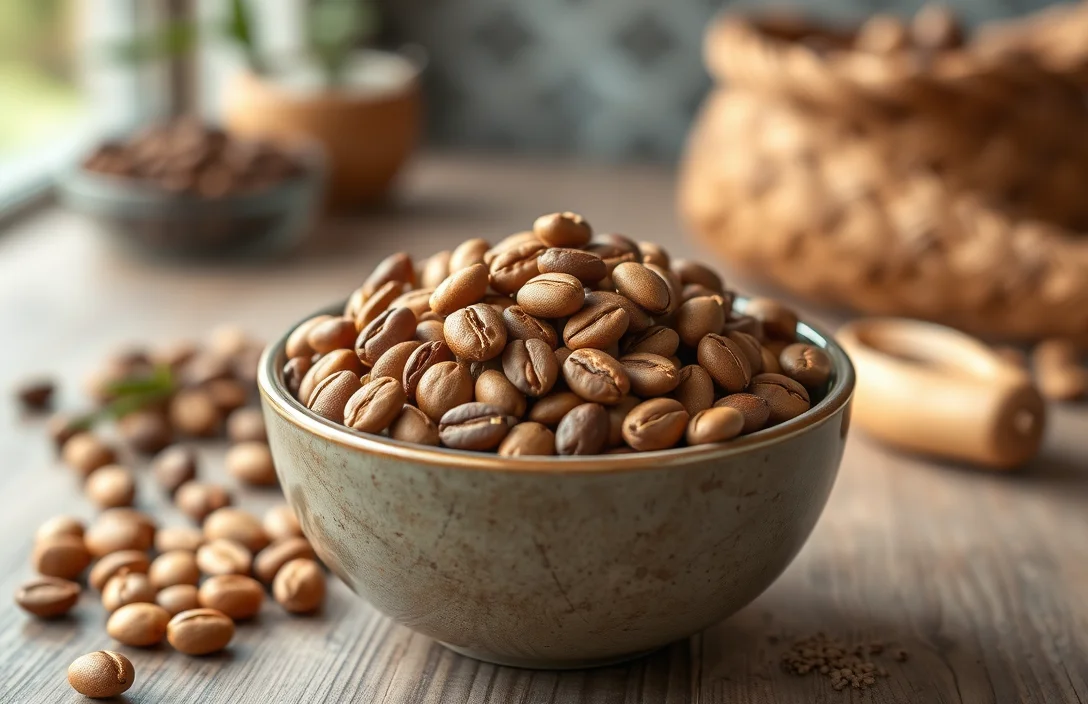
Are Coffee Beans Good After Workout is a topic that matters to anyone looking for practical, reliable information. This article breaks down the key points you need to know, with specific details and actionable advice.
Below you’ll find expert-backed insights, step-by-step guidance, and answers to the most common questions about are coffee beans good after workout.
Caffeine’s Role in Muscle Recovery
Caffeine reduces post-workout perceived muscle pain and can speed aspects of recovery when used correctly. Aim for a moderate dose because it lowers soreness, can enhance muscle contractility, and—when paired with carbohydrates—may help replenishment. If asking are coffee beans good after workout, using them as a moderate caffeine source soon after exercise can be an effective single-step recovery tool.
- Dose: aim for 3 mg/kg caffeine (about 210 mg for 70 kg) to reduce soreness; avoid exceeding 6 mg/kg and keep total daily intake under ~400 mg to limit side effects.
- Timing: take within 30–60 minutes post-exercise to reach peak blood levels during early recovery and support analgesic effects and glycogen-support when combined with carbs.
- Pair: consume with 20–40 g protein plus 0.8–1.2 g/kg carbohydrates to support muscle repair and glycogen replenishment; monitor sleep and sensitivity if you train late.
Antioxidant Benefits of Coffee Beans
Antioxidants in coffee beans significantly aid recovery. Rich in compounds like chlorogenic acid, these antioxidants help combat oxidative stress caused by intense workouts. By neutralizing free radicals, they can reduce muscle inflammation and promote faster healing, making them a strategic choice for post-exercise nutrition.
Research highlights that coffee beans contain polyphenols, which are known for their anti-inflammatory properties. Consuming coffee after workouts may enhance recovery by decreasing muscle soreness and improving overall function. This means enjoying a cup of joe can be not just pleasurable but also beneficial for your fitness goals.
Including coffee in your post-workout routine can be simple and effective. Consider brewing a cup and pairing it with a protein-rich snack, like Greek yogurt or a protein shake. This combination maximizes recovery benefits while keeping you energized throughout your busy day.
Hydration Effects of Coffee Consumption
Coffee mildly increases urine output initially but habitual consumers develop tolerance and net fluid loss is minimal after moderate intake post-exercise. For post-workout hydration, count caffeinated coffee or beans toward fluid goal but add water or an electrolyte beverage to replace sweat losses and maintain plasma volume. Consider 8–12 fl oz per 100 mg caffeine.
- Hydrate with water immediately after exercising: aim for 16–24 fl oz (about 500–700 mL) within 30 minutes to restore plasma and offset any mild diuretic effect from caffeine.
- Balance electrolytes by choosing a low-sugar sports drink or homemade sodium–potassium mix: adding electrolytes improves fluid retention and supports recovery when pairing coffee with rehydration.
- Monitor urine color and volume for 24 hours: pale straw-colored urine and regular frequency indicate adequate rehydration; if you ask are coffee beans good after workout, use these objective signs to guide intake rather than assumptions.
Optimal Timing for Coffee Intake
Consuming coffee strategically enhances recovery post-workout. Aim for intake within 30 to 60 minutes after exercise to maximize its benefits. This timing allows caffeine to work effectively alongside your body’s natural recovery processes, helping reduce muscle soreness and enhance glycogen replenishment.
Research indicates that caffeine can improve muscle recovery when consumed shortly after workouts. Consider these options:
- Mix coffee with a protein shake for a powerful recovery drink.
- Pair a cup of coffee with a carbohydrate-rich snack, like a banana.
- Incorporate coffee into smoothies for added flavor and benefits.
Scheduling your coffee consumption wisely can significantly impact your recovery. Combining it with other nutrient-dense foods ensures you get the most out of your post-workout nutrition regimen. As you refine your recovery routine, keep experimenting with different coffee preparations to find what works best for you.
Performance Enhancements from Coffee
Caffeine in coffee beans significantly improves workout performance and endurance. Studies show that consuming coffee before or after exercise enhances physical output by increasing adrenaline levels. This boost can lead to improved strength and stamina, making coffee a valuable addition to your post-workout routine.
- Caffeine stimulates the central nervous system. By doing so, it can reduce the perception of effort during workouts, allowing you to push harder and longer.
- Increased fat oxidation occurs with coffee consumption. This means your body taps into fat stores for energy, enhancing endurance and overall performance.
- Research indicates improved recovery times. Coffee beans provide antioxidants that combat inflammation and muscle soreness, helping you bounce back faster.
- Enhanced glycogen storage is another benefit. Consuming coffee after workouts can help replenish glycogen levels more efficiently, which is crucial for recovery and performance in subsequent workouts.
- Psychological benefits arise from coffee consumption as well. The ritual of enjoying a cup post-exercise can serve as a rewarding treat, boosting motivation for future workouts.
Comparing Coffee to Post-Workout Drinks
Coffee provides caffeine-driven alertness and mild metabolic benefits, but it lacks the protein and carbohydrates essential for optimal muscle repair and glycogen restoration. Compared to chocolate milk (protein+carbs), whey shakes (high protein), or electrolyte sports drinks (rapid rehydration), brewed coffee or chewing beans is best used alongside a protein-carb snack. Ask: are coffee beans good after workout? Use them as a complement.
Potential Side Effects of Coffee Post-Workout
Limit post-workout coffee to about 75–100 mg caffeine (roughly one small cup or a single espresso) and never rely on it alone for recovery. Pair that modest dose with 20–30 g fast-absorbing protein, 30–50 g carbohydrates, and 300–500 ml water to reduce dehydration, cut GI upset, and avoid late-day sleep disruption that impairs muscle repair.
Monitor personal response closely: note heart-rate spikes, stomach irritation, and sleep quality across multiple sessions; reduce dose or switch to decaf if you experience persistent jitteriness, elevated resting pulse, or difficulty sleeping within six hours, and consult your healthcare provider if you have hypertension, anxiety, or medication interactions that caffeine may worsen.
Quick Summary
- Coffee (and caffeinated coffee beans) can reduce perceived muscle soreness and quickly restore alertness after a workout thanks to caffeine.
- Caffeine consumed with carbohydrates may modestly enhance post-exercise glycogen resynthesis; pairing coffee with a carb source is more effective than caffeine alone.
- Coffee contains antioxidants that can help neutralize oxidative stress, but very high-dose antioxidant intake post-exercise may blunt some training adaptations.
- Eating whole coffee beans delivers a concentrated dose and extra bitterness/calories (if coated); chewing beans can irritate teeth and stomach for some people.
- Caffeine can raise heart rate and blood pressure and cause jitteriness or GI upset in sensitive individuals or those with certain medical conditions—use caution and consult a clinician if needed.
- Caffeine is a complement, not a substitute, for recovery staples: prioritize rehydration, protein for muscle repair, and carbohydrates for replenishing energy stores; avoid late-day caffeine if it disrupts sleep.
Frequently Asked Questions
1. Are coffee beans a good source of post-workout nutrition?
Yes, coffee beans can provide some benefits post-workout due to their caffeine content, which may enhance recovery and reduce muscle soreness. However, they should be complemented with protein and carbohydrates for optimal recovery.
2. How does caffeine in coffee beans help with recovery?
Caffeine can improve endurance and reduce perceived effort during workouts, which can lead to better performance. After a workout, it may help in reducing muscle soreness and fatigue, making your recovery faster.
3. Can I drink coffee immediately after a workout?
It’s generally fine to enjoy coffee after a workout, but it’s important to hydrate first. Coffee is a diuretic, so ensure you replenish fluids lost during exercise before consuming caffeinated beverages.
4. Should I combine coffee with other foods post-workout?
Yes, pairing coffee with a source of protein and carbohydrates can enhance recovery. Consider having a protein shake or a banana with your coffee to maximize the nutritional benefits.
5. How much coffee is recommended after a workout?
A moderate amount of coffee, around 1-2 cups, is typically sufficient for most individuals. However, personal tolerance to caffeine varies, so listen to your body and adjust accordingly.

- How to Steam Milk With an Espresso Machine: A Complete Beginner’s Guide - October 26, 2026
- How to Backflush an Espresso Machine: A Step-by-Step Cleaning Guide - October 26, 2026
- Is a 20 Bar Espresso Machine Good? Pressure, Performance, and Buying Guide - October 26, 2026