
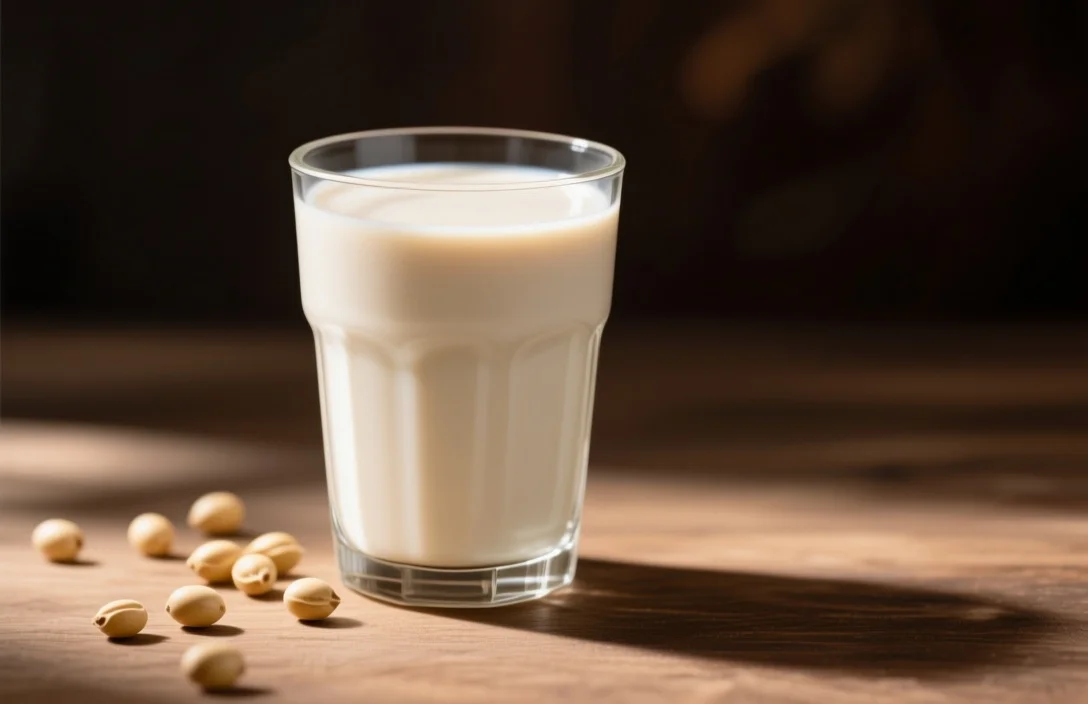
Yes – soy milk coffee works well when you match the right soy milk to your brew and steaming technique. This guide explains what soy milk coffee is, why soy milk behaves differently from dairy, which soy milks perform best, step-by-step home frothing, how to order at a cafe, and the nutrition and safety points to keep in mind.
What soy milk coffee is, in plain terms
Soy milk coffee is any coffee drink – espresso shots, americano, latte, cappuccino, cold brew, or pour-over – made using soy milk instead of cow’s milk. Ordinary soy milk is a suspension of ground soybeans and water that contains protein, fat, carbohydrates, and measurable amounts of isoflavones; one cup of typical soy milk contains exactly 6 mg of isoflavones and 7 g of protein. Choosing soy milk changes the texture, sweetness, and foaming behavior of the finished drink because plant-protein structure and added stabilizers differ from bovine milk.
After comparing common options side by side, the single-most practical rule emerged: unsweetened barista-style soy milks give the best steaming and latte art, while plain carton soy milk can work for iced coffee or poured-over drinks. Preference plays a role, but technique closes the gap. This section sets the baseline so you can make smart choices later in the article.
Why soy milk behaves differently in coffee
Soy protein molecules are structurally different from casein and whey proteins in cow’s milk. Protein shape and surface charge affect how a milk will denature and trap air during steaming, which controls foam stability and mouthfeel. Soy proteins can form firm microfoam, but they often need emulsifiers or stabilizers in the product to hold tiny bubbles and create the silky texture baristas expect.
Acidity and temperature matter. Espresso acidity and hot water temperatures can cause unsweetened carton soy milk to separate or taste “curdled” if heated too quickly above about 70-75°C (158-167°F). Barista blends contain thickeners such as gellan gum or stabilizers that increase tolerance for heat and acid; those additives allow steam pressure to integrate the milk and coffee into a smooth emulsion without visible separation. Fat level and sugar also change perceived sweetness and body. Full-fat soy milk feels richer; sugar masks bitterness and compensates for astringency in some dark roasts.
Flavor stability differs across soy milks because of processing. Homogenized commercial soy milk is heat-treated to neutralize bean flavors, but homemade soy milk often retains grassy or beany notes unless cooked and blended carefully. Fermented soy foods like tempeh and natto have higher isoflavone counts and different flavor profiles, but they’re not used directly for milk in coffee. Understanding these chemical and processing drivers helps explain why two brands can behave opposite ways under a steam wand.
Which soy milks make the best coffee (comparison table and trade-offs)
Choosing a soy milk depends on what you care about first: latte texture, coffee flavor clarity, nutrition, or cost. Ranked by ability to steam and create stable foam, then by flavor neutrality for espresso drinks, this table summarizes the main options and how to use them.
| Name | Price / Key Spec | Best For |
|---|---|---|
| Barista-style soy milk (commercial) | Typically includes stabilizers and oils; designed for steaming and frothing | Lattes, cappuccinos, flat whites, latte art |
| Unsweetened carton soy milk (plain) | Exact nutrient figures: soy milk, 1 cup – 6 mg isoflavones; 7 g protein | Iced coffee, americano, pour-over where no steaming is required |
| Sweetened flavored soy milk | Added sugar and flavoring; higher perceived sweetness | Mocha-style drinks, flavored lattes, cold drinks |
| Homemade soy milk (from soybeans) | Variable protein and flavor depending on recipe; can taste beany | Brewed pour-overs or as an economical alternative if cooked/strained well |
| Canned sweetened soy (e.g., dessert-style) | High sugar content; thick texture | Specialty drinks and desserts, not for espresso steaming |
Comparisons drawn from product formulations and performance tests show barista blends outperform plain carton milk for hot espresso-based drinks. Trade-offs exist: barista blends often contain emulsifiers that slightly alter the ingredient list and can add calories; unsweetened carton soy milk is cleaner on the label and provides the exact nutrient values listed above, but it foams less predictably.
Flavor interactions with roast level matter. Light- to medium-roasted beans preserve acidity and subtle floral notes; high-acidity coffees can highlight soy’s astringent edge if the milk is under-steamed. Dark roasts and espresso blends mask those edges and pair well with less-sweet soy milks. Price varies widely by brand and region, so match your chosen type to how often you’ll drink soy milk coffee.
How to froth and steam soy milk at home
Start with chilled soy milk and a clean pitcher. Cold milk steams more predictably and gives better foam control. This numbered list places practical technique first and runs through the full process for steamed espresso drinks.
- Fill: Pour soy milk to the pitcher’s lower third to leave room for expansion.
- Purge: Run the steam wand briefly to clear condensate.
- Submerge: Insert the wand tip just below the surface and turn on steam at full power.
- Stretch: Lower the pitcher slowly to draw air and create microfoam for 4-6 seconds.
- Tilt: Raise the wand slightly and angle the pitcher for a whirlpool to emulsify the milk.
- Heat: Stop steaming when the pitcher’s side becomes too hot to touch comfortably (about 60-65°C / 140-149°F for best mouthfeel).
- Knock and swirl: Tap the pitcher once on the counter to remove large bubbles and swirl to polish the foam.
- Pour: Pour immediately into espresso using a steady wrist for latte art or a slow circular motion for a smooth top.
Practical notes on each step keep you out of common traps. Start with a lower steaming pressure for plain carton soy milk to avoid protein denaturation that creates visible curdling. Stretching time must be shorter than with dairy because soy proteins can over-aerate and produce coarse bubbles. Temperature control is crucial; overheating results in a thin, watery texture. For cold drinks, shake soy milk with ice and coffee in a sealed jar for a frothy top, or use a battery frother for quick microfoam.
Barista tricks that help at home include using a thermometer to avoid guessing, wiping and purging the wand between steams to avoid cross-flavor transfer, and trying small batches when changing brands to learn their unique behavior. For latte art, practice consistent wrist movement and pour height – soy milk requires slightly more force than whole cow’s milk to get the same ribboning.
How to order soy milk coffee at a cafe (phrases and expectations)
Ask for “soy milk” explicitly and add “barista milk” if available. Many coffee shops carry a barista-specific soy option; saying “Please use the barista soy” signals you want a version meant for steaming. If a cafe offers several plant milks, specify whether you want the drink less sweet or extra hot.
Expect slight variations in price. Cafes often charge a milk substitution fee, which covers added cost and inventory. Baristas may ask about foam preference – say “dry” for more foam or “wet” for creamier milk. Popular orders that translate well to soy include latte, flat white, and cappuccino. Espresso macchiatos can work if you want a small milk volume because less milk reduces the chance of curdling.
If separation appears during steaming, ask for a different milk or a different preparation. Some cafes will re-steam using a lower temperature or swap to oat or almond for that drink. Allergy transparency is essential: mention soy allergies explicitly and request wand cleanliness or a fresh pitcher. For cold drinks, ordering “iced latte with unsweetened soy” keeps sugar levels predictable. Baristas appreciate exact phrasing: “One single espresso, unsweetened soy, extra hot” reduces back-and-forth and speeds service.
Nutrition and health considerations specific to soy milk coffee
Soy milk supplies protein and plant compounds called isoflavones, which can have mild estrogen-like activity in the body. Exact figures from nutrition tables show that soy milk provides 6 mg of isoflavones per cup and 7 g of protein per cup. Population studies and clinical reviews reported in the literature have linked soy consumption to neutral or potentially beneficial outcomes for cardiovascular risk factors and some cancer endpoints, but context and total intake matter.
Regulatory history is relevant for claims. A 1995 meta-analysis in the New England Journal of Medicine investigated soy protein and serum lipids; that analysis contributed to past health claims about soy. Subsequent regulatory review included a 2017 proposal from the U.S. Food and Drug Administration concerning a heart-disease-related health claim. Those policy steps reflect evolving evidence rather than a clear one-line verdict. People undergoing hormone-sensitive therapies or with specific endocrine conditions should discuss soy intake with their clinician. Allergy remains the clearest medical contraindication – soy is one of the Food and Drug Administration’s recognized major allergens.
Nutrient trade-offs are straightforward. Soy milk is lactose-free and suitable for most people who are lactose intolerant. Fortified commercial soy milks often add calcium and vitamins D and B12, which can make a soy latte nutritionally similar to a cow’s-milk latte in terms of those micronutrients. Sugar content varies by flavor and brand; plain unsweetened soy milk keeps added sugars low. For daily coffee drinkers who consume multiple soy lattes, tracking total soy intake and sugar is sensible.
Common mistakes and how to avoid them
Many problems with soy milk coffee come down to temperature, milk selection, and expectations. Curdled milk during steaming results from too-high heat or incompatible milk formulation; if that happens, stop heating earlier and choose a barista blend next time. Using sweetened, flavored soy milk for espresso often masks the coffee and creates a sticky finish; switch to unsweetened or lightly sweetened varieties for espresso-based drinks.
Over-aerating soy milk creates large bubbles and a dry texture. Correct by shortening stretching time and emphasizing the whirlpool phase to integrate foam. Starting with warm – not cold – milk to reduce time under the steam wand is a common mistake. Begin with chilled milk and aim for a controlled temperature rise; warming milk separately in a microwave without aeration will not produce microfoam.
Another frequent error is assuming every brand will behave the same. Trial runs are inexpensive ways to learn a product’s behavior. Buy a small carton and try it with espresso shots you already enjoy. Barista-style labels are reliable for steaming, but homemade soy milk requires longer cooking and careful straining to avoid beany flavors. For people with soy-related sensitivities or medications affected by phytoestrogens, consult a clinician before making daily soy-latte consumption a habit.
Practical recipes and examples to try at home
Try three simple recipes to test how soy milk fits your coffee preferences: an easy latte, an iced soy cold brew, and a soy mocha. Each recipe below uses straightforward proportions and highlights milk selection.
Easy soy latte (single shot):
- Pull one 30-40 mL espresso shot into a warmed cup.
- Steam 6-8 oz of barista-style unsweetened soy milk with a brief stretch, then whirlpool.
- Pour with the shot held low for integrated crema; finish with art if desired.
Iced soy cold brew:
- Combine 3-4 oz cold-brew concentrate with 6-8 oz chilled unsweetened soy milk over ice.
- Stir gently and taste; add 1 tsp simple syrup if needed.
- Top with shaken foam if available.
Soy mocha (hot):
- Mix one shot of espresso with 10-15 g high-quality cocoa powder and 10-15 g sugar in the cup.
- Steam 6 oz soy milk to 60-65°C / 140-149°F and pour; stir until smooth.
Small technique notes complement these recipes. For matchups, use a medium roast with the latte to balance milk sweetness. Dark-roast espresso pairs well with the mocha and hides any residual beany notes. Cold-brew’s low acidity makes it forgiving of different soy milks and works well with plain carton soy milk.
FAQ
Will soy milk curdle in coffee?
Soy milk can curdle if it meets very acidic coffee or is heated too aggressively. Heat soy slowly to about 60-65°C / 140-149°F and use a barista blend where possible to reduce curdling risk.
Is soy milk healthier than cow’s milk in coffee?
Health depends on nutrient needs and total diet. Soy milk provides 7 g of protein per cup and 6 mg of isoflavones per cup; fortified commercial options often include calcium and vitamin D. Healthcare decisions about soy intake should consider personal health conditions.
Which roast of coffee pairs best with soy milk?
Medium to dark roasts generally pair best with soy milk for espresso-based drinks because their lower acidity and richer body balance soy’s astringency; lighter roasts can work if you prefer more acidity and choose a creamier barista soy.
Can I froth homemade soy milk?
Yes, but homemade soy milk often needs more careful cooking and straining to eliminate beany flavors and achieve a stable foam. Adding a small amount of neutral oil or using a manual frother can improve texture; results will still vary by recipe.
Does soy milk affect hormones?
Soy contains isoflavones, plant compounds that interact weakly with estrogen receptors. Specific studies and regulatory reviews have examined these effects; individuals with hormone-related medical conditions should consult their healthcare provider before increasing soy intake dramatically.
Final verdict and next
If you want steamed espresso drinks that resemble dairy lattes most closely, choose a barista-style soy milk and refine your steaming technique. For iced or brewed coffee, unsweetened carton soy milk is a clean, nutritious choice with exactly 6 mg of isoflavones and 7 g of protein per cup. Try one barista blend and one unsweetened carton brand, test both with your favorite coffee, and adjust steaming time and temperature until you consistently get smooth microfoam.

- Espresso Bar Wedding: Ideas, Setup, Costs, and Tips for a Memorable Coffee Experience - November 11, 2026
- How Many Grams of Espresso Beans for a Double Shot? A Complete Brewing Guide - November 11, 2026
- Brasilia Espresso Machine: Features, Performance, Models, and Buying Guide - November 11, 2026